

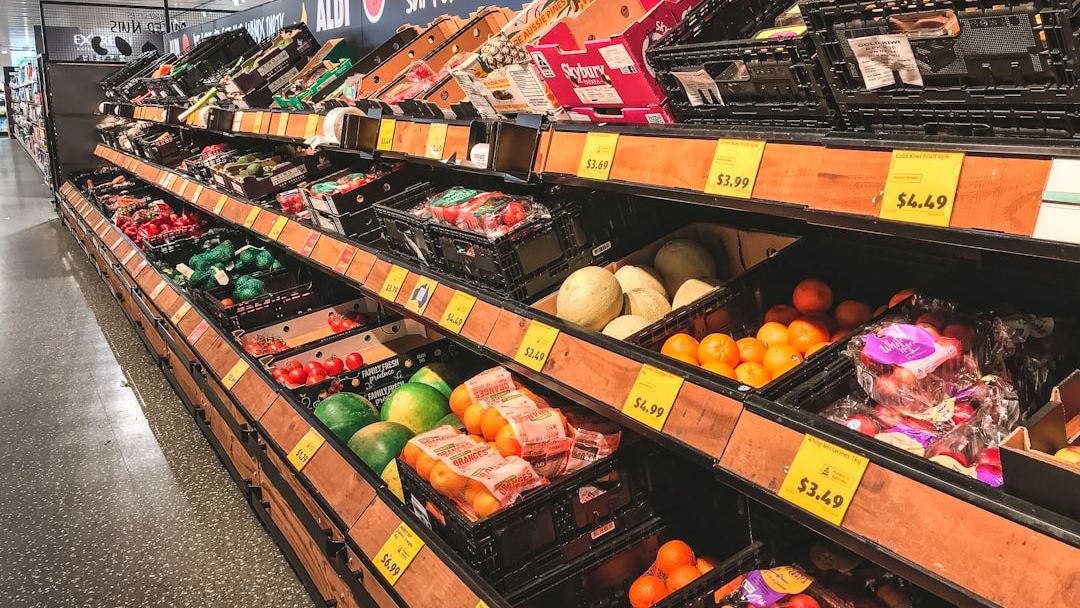
These 2 Grocery Stores Were Just Named the Most Trustworthy in the U.S. – Here’s Why They Earned the Title – Image for illustrative purposes only (Image credits: Unsplash)
In a comprehensive survey of more than 35,000 Americans, Walmart and Aldi stood out as the most trustworthy grocery stores in the United States.[1][2] Conducted by market research firm BrandSpark International, the study assessed consumer confidence across 359 product and service categories, focusing on where shoppers felt most likely to return regularly. Walmart claimed the highest number of top honors, while Aldi dominated in value-oriented segments, reflecting shifting priorities amid economic pressures.
Understanding the BrandSpark Trust Rankings
The survey delved into specific attributes like customer service, product quality, and pricing to determine trust levels. Participants evaluated chains based on everyday shopping experiences, with regional breakdowns added to capture local preferences. This approach revealed Walmart’s widespread appeal and Aldi’s strength in discount formats.[1]
Overall, the rankings highlighted how large-scale retailers built loyalty through convenience and affordability. Conventional grocers faced stiff competition from discounters, as shoppers weighed factors like private-label offerings and delivery options. Kroger placed third nationally, showing established players still held ground in key areas.
Walmart Secures 12 Category Wins
Walmart earned recognition as the most trusted grocery superstore, sweeping awards in multiple high-impact areas. The retailer topped lists for best customer service, private-label products, standout sales promotions, and grocery pickup and delivery services.[1] These victories underscored its position as the world’s largest retailer, where scale enabled reliable everyday low pricing and seamless online integration.
Shoppers consistently ranked Walmart first for affordability across regions and formats. It also led in curbside pickup, a critical service as more consumers turned to hybrid shopping post-pandemic. Half of online grocery orders in recent years came from Walmart, reinforcing its logistical edge.[3]
Aldi’s Rise in Discount and Value Segments
Aldi captured eight awards spanning three regions, cementing its status as the go-to for budget-conscious buyers. The German chain excelled as the most trustworthy discount and small-format grocer, thanks to its focus on private-label items that kept prices low.[1] With stores carrying fewer products than competitors, Aldi streamlined operations to prioritize essentials at competitive rates.
The survey positioned Aldi at the top for affordability, tying with other value leaders. Its smaller footprint appealed to shoppers seeking efficiency without excess inventory. Looking ahead, Aldi announced plans to open 180 new U.S. stores in 2026, signaling continued expansion.[1]
| Category | Top Performers |
|---|---|
| Most Trusted Conventional Grocer (National) | Walmart |
| Most Trusted Discount/Small Format (National) | Aldi |
| Affordability | Aldi, H-E-B, Walmart |
| Private Label Products | H-E-B, Walmart, Kroger |
| Curbside Pickup | Walmart |
Regional Nuances and Close Competitors
Regional categories added depth, with Aldi and Walmart frequently sharing top spots in the South and Northeast discount supermarket rankings. ShopRite emerged strong in the Northeast for conventional formats, while H-E-B impressed in fresh produce and promotions.[3] These variations showed how local presence influenced perceptions of reliability.
Other notables included Publix for store cleanliness, Trader Joe’s for overall appeal in some polls, and Kroger for loyalty programs offering gas discounts. The study emphasized that trust often hinged on consistent delivery in core areas like value and service, rather than flashy innovations.
As grocery competition intensifies with rising costs and e-commerce growth, Walmart and Aldi’s command of trust metrics positions them for sustained loyalty. Shoppers’ preferences for proven affordability and convenience suggest these chains will shape the industry’s future trajectory.