

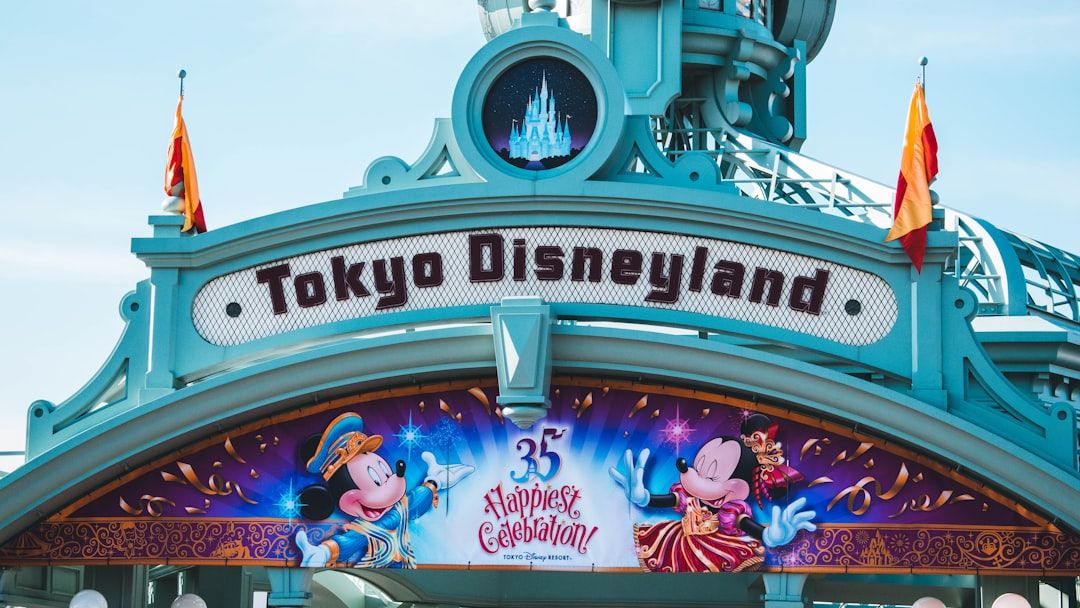
Oriental Land Co., Ltd. (OLCLY) Q4 2026 Earnings Call Prepared Remarks Transcript – Image for illustrative purposes only (Image credits: Unsplash)
Tokyo – Oriental Land Co., Ltd., the operator of Tokyo Disney Resort, released its fiscal year 2026 results, covering the period ended March 31, 2026. The company achieved record-high consolidated net sales of 704.5 billion yen, surpassing initial projections amid flat attendance at its theme parks.[1][2] Operating profit, however, edged lower due to higher personnel and maintenance costs. Executives emphasized continued pricing strategies and new attractions to drive future growth.
Key Financial Metrics Beat Expectations
Consolidated net sales rose 3.7 percent from the previous fiscal year to 704.5 billion yen, exceeding the initial forecast by a notable margin. This performance stemmed largely from elevated net sales per guest, which hit a record 18,403 yen, up 3.2 percent year over year.[1] Operating profit came in at 168.4 billion yen, a 2.1 percent decline from fiscal 2025 but in line with or above early projections.
Profitability benefited from strong contributions across segments, though cost pressures weighed on margins. The company announced a year-end dividend of 16 yen per share, an increase of 1 yen over the initial estimate, reflecting confidence in sustained cash generation.[2]
| Metric | FY2026 Actual | YoY Change | vs Initial Forecast |
|---|---|---|---|
| Net Sales | ¥704.5B | +3.7% | Exceeded |
| Operating Profit | ¥168.4B | -2.1% | In line/Above |
| Attendance (Parks) | 27.534M | -0.1% | Slightly below |
| Net Sales per Guest | ¥18,403 | +3.2% | Record high |
Theme Parks Drive Growth with Pricing Power
Theme park operations generated 568.3 billion yen in sales, up 2.9 percent, powered by higher merchandise and food spending. Guests spent more on Disney Premier Access passes, anniversary merchandise for Duffy & Friends, and variable-priced premium tickets. Attractions and shows also contributed through special events.
Attendance held steady at 27.534 million visitors, nearly matching the prior year despite a dip in overseas guests during the fourth quarter. Executives attributed the resilience to strong domestic demand, including from older demographics now comprising over 35 percent of visitors.[3]
- Merchandise sales: up 3.2 percent to 167.3 billion yen.
- Food and beverage: up 6.0 percent to 98.4 billion yen.
- Per-guest merchandise spend: ¥5,227, up 2.8 percent.
Hotels Hit Records Amid Capacity Expansion
The hotel segment posted sales of 119.0 billion yen, a 7.8 percent increase, fueled by the full-year operation of Tokyo DisneySea Fantasy Springs Hotel. Average room rates climbed 7.3 percent to 69,591 yen, supporting higher revenue even as occupancy slipped 1.0 percentage point to 94.7 percent.
Operating profit in hotels rose to 36.8 billion yen from 30.4 billion the prior year. Other businesses, including Ikspiari mall and the resort monorail, saw modest sales gains but profit erosion from elevated costs.
Cost Pressures Temper Profit Gains
Rising expenses offset much of the revenue upside. Personnel costs increased 10.9 percent to 105.7 billion yen, reflecting higher staffing needs. Other expenses grew 5.7 percent, driven by maintenance, utilities, and system investments. Depreciation edged up 0.9 percent.
Fourth-quarter results missed analyst expectations, with revenue at 174.3 billion yen versus a forecast of 180.8 billion yen and EPS at 13.61 yen against 16.23 yen anticipated. Shares still advanced 1.58 percent post-release, signaling investor focus on long-term potential.[4]
Outlook Balances Growth and Challenges
For fiscal 2027, Oriental Land anticipates higher sales from increased attendance and continued per-guest spending records. Profits, however, face headwinds from hotel renovations, anniversary event costs, research and development, and system upgrades totaling around 8 billion yen in added expenses.
Strategies include capacity restoration via relaunched attractions like a Wreck-It Ralph-themed ride and revamped Space Mountain, alongside dynamic pricing and youth-focused promotions. Long-term plans target over 1 trillion yen in sales by 2030-2035, bolstered by events like the resort’s 45th anniversary and a future Disney Cruise Line.[3]
Investors and park stakeholders will watch how cost controls and content expansions translate into margin recovery. With Disney’s enduring appeal and Japan’s recovering tourism, Oriental Land remains positioned for measured expansion.