

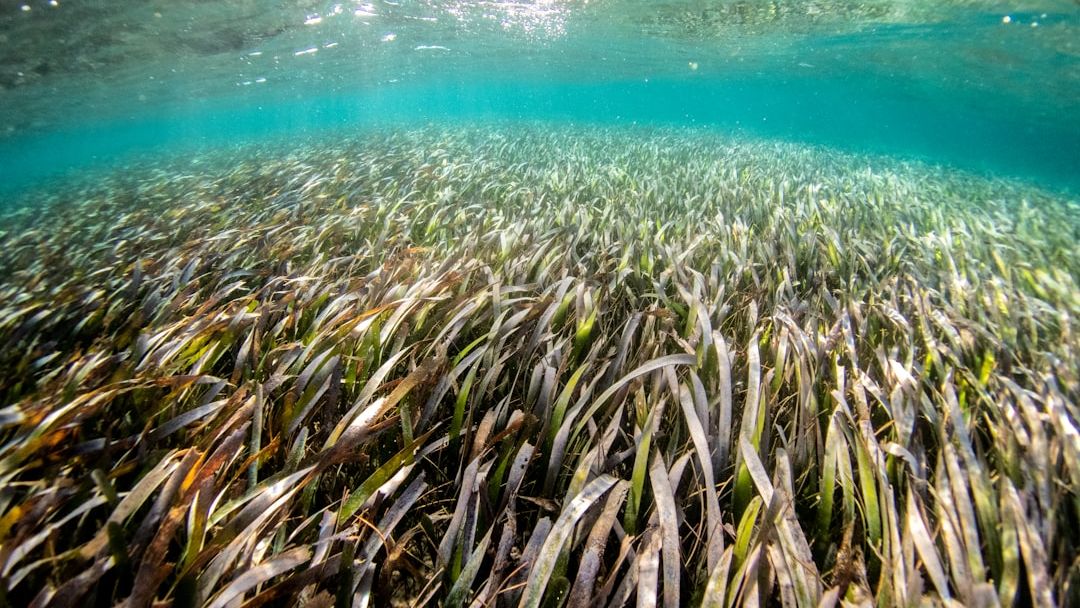
Your impact for our oceans is growing – Image for illustrative purposes only (Image credits: Unsplash)
Australia’s coastal waters shelter turtles, sharks, and seabirds that navigate vast ocean expanses, yet industrial fishing practices continue to encroach on protected zones. Spanning millions of hectares, the nation’s 44 Commonwealth marine parks represent a critical frontline in ocean conservation. As the government prepares for a once-in-a-decade review this June, campaigners highlight how donor support has fueled investigations exposing destructive activities within these areas.
Mapping the Frontlines of Ocean Defense
Australia’s Commonwealth marine parks extend across diverse habitats along the coastline, encompassing zones vital for marine biodiversity. These protected areas, numbering more than 44, cover millions of hectares and serve as refuges for species facing mounting pressures from human activity. Efforts to strengthen these parks have gained momentum through public contributions that enable detailed monitoring and advocacy.
Campaign organizations like Greenpeace have utilized donor funds to document fishing operations inside park boundaries. This work underscores the need for robust enforcement to preserve ecosystems where rare species recover. The scale of these parks highlights their role in national conservation strategy, yet gaps in zoning persist.
Confronting Bottom Trawling and Longlining
Bottom trawling deploys heavy nets that scour ocean floors, damaging habitats meant to remain untouched. Longlining deploys lines of hooks that inadvertently ensnare turtles, sharks, and seabirds, leading to high bycatch rates. Donors have supported campaigns targeting these methods, which operate despite the protective intent of marine parks.
Investigations funded by contributions have revealed how such practices exploit zoning loopholes, allowing extractive industries into sensitive waters. Closing these gaps requires targeted legal reforms to ban destructive gear outright. Progress in this area holds direct implications for species survival, as healthier populations depend on undisturbed foraging grounds.
The 2026 Review: A Decisive Opportunity
The Australian Government will launch its formal review of the marine parks network this June, a process that occurs every ten years. Preparations have intensified, with advocates ready to influence outcomes based on evidence from recent investigations. This review presents a rare chance to address longstanding vulnerabilities in the system.
Campaigners prioritize three specific reforms to elevate protections. First, expansion into high-biodiversity zones would provide more space for rare species to thrive. Second, elimination of loopholes permitting bottom trawling and longlining would enforce no-take rules more effectively.
- Expand protections to high-biodiversity areas for species recovery.
- Eliminate loopholes allowing destructive fishing gear in protected zones.
- Link parks to international sanctuaries via the Global Ocean Treaty for migratory corridors.
Linking Local Parks to Global Sanctuaries
The Global Ocean Treaty offers a framework to establish sanctuaries beyond Australia’s borders, creating connected pathways for migratory species like the leatherback turtle. Integrating these international protections with domestic parks would form ecological corridors essential for long-distance travelers. Donor-backed advocacy positions this linkage as a transformative step.
Current efforts focus on holding the government accountable through documented evidence of incursions. Strengthening these networks could prevent fragmentation that hampers species resilience. As the review approaches, the emphasis remains on practical changes that align policy with ecological needs.
Australia’s marine parks stand at a pivotal moment, where sustained pressure could convert threatened habitats into enduring sanctuaries. For turtles navigating ancient migration routes and sharks patrolling coastal depths, the outcomes of this review will shape their futures amid ongoing industrial pressures. The path forward hinges on translating investigations into lasting policy shifts.