

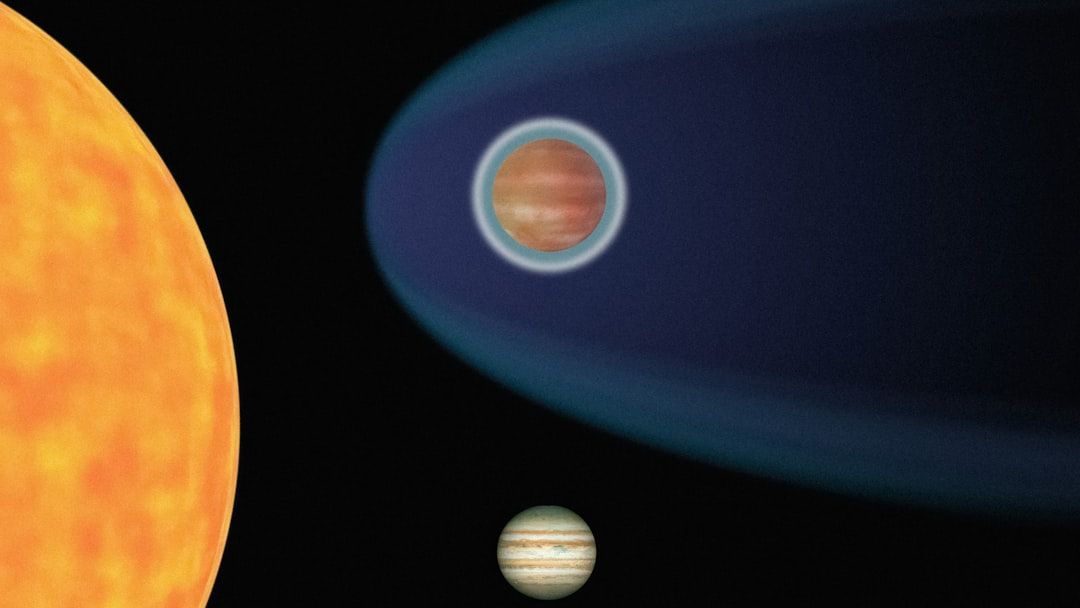
First Images From the Pandora Exoplanet Mission – Image for illustrative purposes only (Image credits: Unsplash)
Engineers behind NASA’s Pandora exoplanet survey mission have unveiled the first engineering images from the project, marking a historic milestone as the inaugural visuals from any mission in the agency’s Astrophysics Pioneers Program. This small-scale endeavor aims to probe distant worlds with innovative, cost-effective technology. The release signals early progress in an initiative designed to expand our understanding of exoplanets beyond current limits.
A Glimpse into Pandora’s Design
The Pandora mission focuses on surveying exoplanets through precise measurements that could reveal atmospheric compositions and potential habitability. These initial engineering images capture the instrument’s performance during ground tests, verifying key components before launch. Such visuals confirm that the system’s optics and detectors align with expectations for space operations.
Development emphasized compactness and affordability, distinguishing Pandora from larger observatories. Teams integrated advanced polarimetry techniques to analyze light from exoplanet systems, a method that promises clearer data on planetary atmospheres. Early results from these tests bolster confidence in the mission’s core capabilities.
Birth of the Pioneers Program
NASA launched the Astrophysics Pioneers Program in 2020 to explore the potential of low-cost missions tackling pressing astrophysics questions. Unlike traditional flagship projects, these efforts prioritize rapid development and targeted science goals. Pandora stands as the first to produce tangible imagery, validating the program’s approach.
The initiative allocates resources for missions under a strict budget cap, fostering innovation in small satellite technology. Past selections highlighted concepts addressing exoplanet detection, black hole studies, and cosmic phenomena. This structure has accelerated timelines, with Pandora advancing swiftly to this imaging phase.
Why These Images Matter
Engineering images serve as critical checkpoints, ensuring hardware withstands space conditions without full deployment. For Pandora, they demonstrate stable imaging in simulated environments, a step toward reliable exoplanet observations. Success here reduces risks for the operational phase, where the mission will scan thousands of star systems.
Exoplanet science has evolved rapidly, but direct imaging remains challenging due to stars’ overwhelming brightness. Pandora’s design counters this with specialized filters and sensors, potentially yielding data on smaller, Earth-like worlds. These preliminary pictures affirm the technology’s readiness to contribute fresh insights.
Charting the Path Ahead
With validation from the first images, the Pandora team now prepares for environmental testing and integration. Launch preparations could follow within years, positioning the mission to join ongoing exoplanet hunts like those from the James Webb Space Telescope. Unresolved questions linger around final performance in orbit, yet the outlook remains promising.
The broader Pioneers framework may inspire similar projects, democratizing access to high-impact astrophysics. As Pandora progresses, it could ‘open the box’ on new discoveries, revealing whether distant planets harbor signs of life or exotic chemistries. Researchers anticipate a cascade of findings that reshape our cosmic perspective.
| Milestone | Status | Implication |
|---|---|---|
| First Engineering Images | Released | Validates core hardware |
| Pioneers Program Debut | Achieved | Proves small-mission model |
| Launch Readiness | Ongoing | Next testing phase |
These early achievements underscore a shift toward agile exploration in astronomy. Pandora’s trajectory invites anticipation for revelations that could redefine exoplanet studies, one image at a time.