

Your Brain Is Running a Trust Calculation Before You Know It
The brain evaluates two primary dimensions in first impressions: warmth, meaning “Is this person safe? Do they care about me?” and competence, meaning “Is this person capable?” Research by Fiske, Cuddy, and Glick, published in Advances in Experimental Social Psychology, identified that these two dimensions account for roughly four-fifths of the variance in how we perceive others. Warmth is assessed first and weighted more heavily.
Over many thousands of years, our ancestors relied on nonverbal communication cues like body language, expression, and tone of voice as a survival mechanism, to gauge whether an outsider was friend or foe. It was, quite literally, a matter of life or death. Today, we face less risk – yet we still make snap judgments, assessing everyone we meet.
Researchers studying trust and first impressions, including social psychologist Amy Cuddy, have found that universally, regardless of culture, when we encounter a stranger we seek to establish whether or not we can trust them. This is a subconscious process, of which observing nonverbal communication cues is an important part.
The 20-Second Window: What Science Says About Reading Strangers
Research from the University of California, Berkeley suggests it can take just 20 seconds to detect whether a stranger is genetically inclined to being trustworthy, kind, or compassionate. The findings reinforce that healthy humans are wired to recognize strangers who may help them out in a tough situation.
A separate group of observers who did not know the couples in the UC Berkeley study were shown 20-second video clips and asked to rate which seemed most trustworthy, kind, and compassionate, based on their facial expressions and body language. The listeners who received the highest ratings for empathy, it turned out, possess a particular variation of the oxytocin receptor gene known as the GG genotype.
What distinguished these high-trust individuals? Researchers found that people who had two copies of the G version displayed more trustworthy behaviors – more head nods, more eye contact, more smiling, and more open body posture. It was these behaviors that signaled kindness to the strangers observing them. The key takeaway here is that those behaviors can be understood and consciously adopted.
Open Palms: An Ancient Signal That Still Works

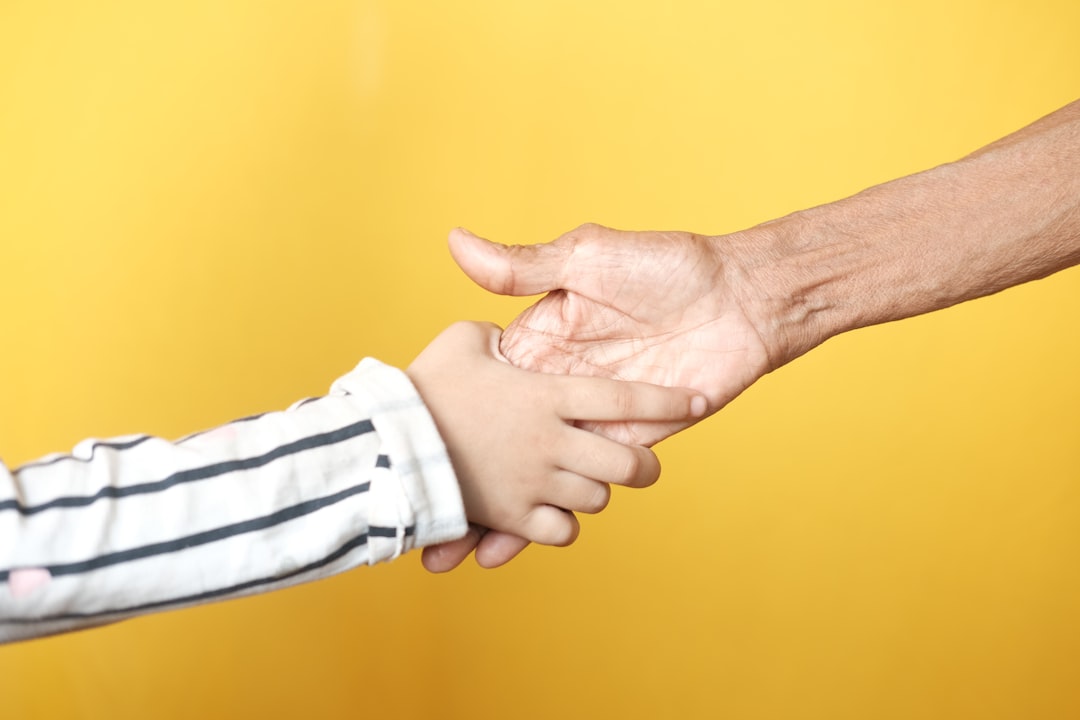
Open palms are an ancient sign of trustworthiness that help establish rapport and are considered nonthreatening. Hidden hands, placed in pockets or behind backs, signal disconnection and reluctance to engage.
When you’re talking, occasionally turning your palms upward sends a clear message. When shaking hands, briefly showing your palm before extending it matters too. These micro-moments of vulnerability signal trustworthiness on a primal level.
Researchers noted that behaviors which erode trust are examples of “avoidant” behavior – they literally create barriers and distance. The positive behaviors, on the other hand, are examples of “affiliative” behavior, signaling a desire to connect with the other person. Open palms are one of the clearest affiliative signals in the human repertoire.
The Mirroring Effect: Your Brain’s Built-In Connection Tool

Mirroring in body language involves subtly reflecting another person’s gestures, posture, facial expressions, or tone of voice. Often unconscious, this behavior contributes to a sense of connection and trust. Psychologists describe it as part of the “chameleon effect” – an automatic adaptation that supports social harmony, as described by Chartrand and Bargh in 1999.
Experiments by Chartrand and Bargh revealed that people who were subtly mirrored felt more at ease and connected to their conversation partners. Subsequent research confirmed that this kind of mimicry increases interpersonal trust, improves likability, and even enhances cooperation among strangers.
Mirroring is not without risks, though. If overused or done too obviously, it can seem forced or even manipulative. People may notice when mirroring feels rehearsed or inauthentic, which can damage rapport instead of building it. Subtlety is the thing that separates effective mirroring from awkward mimicry.
Eye Contact: The Goldilocks Zone of Trust

Nonverbal cues are key to impression formation in initial interactions, and research shows that eye contact in particular improves trust, communicates closeness, and makes interactions richer and more efficient.
It isn’t as simple as “more eye contact equals more trust.” Instead, it’s about balance – a kind of social Goldilocks zone. Too little eye contact, and we start to feel like something is off. It can signal anxiety, guilt, distraction, or even hostility. Too much eye contact can be just as unnerving. An unblinking stare doesn’t feel trustworthy; it feels like a challenge.
Studies show that people feel most comfortable, and most inclined to trust, when eye contact happens in brief, natural bursts. Research suggests that holding eye contact for about three to five seconds at a time, then naturally looking away, tends to feel comfortable for most people.
The Genuine Smile: Underrated and Misunderstood

A 2016 study showed participants photographs of women, some smiling and some not. Between one and six months later, participants met those same women face-to-face for a twenty-minute interaction. Participants’ ratings of the women were heavily colored by their initial reaction to the photograph – if the woman was smiling in the photograph, the ratings were more positive.
Putting it into perspective, perceptions from a twenty-minute interaction were being swayed by a split-second assessment of a photograph taken six months earlier. That’s how sticky a genuine smile truly is in the brain’s memory.
People who make steady eye contact and flash a genuine smile are often seen as warmer and more trustworthy. Conversely, avoiding eye contact or a forced smile can be read as aloofness or anxiety. The difference between a real and a performed smile is something people pick up on faster than they can consciously explain.
Posture and Open Body Language: Taking Up Space Wisely

Research suggests that individuals who exhibit open, expansive postures are perceived as more trustworthy and competent. It’s as if our bodies intuitively understand the language of trust, signaling assurance and reliability to those around us.
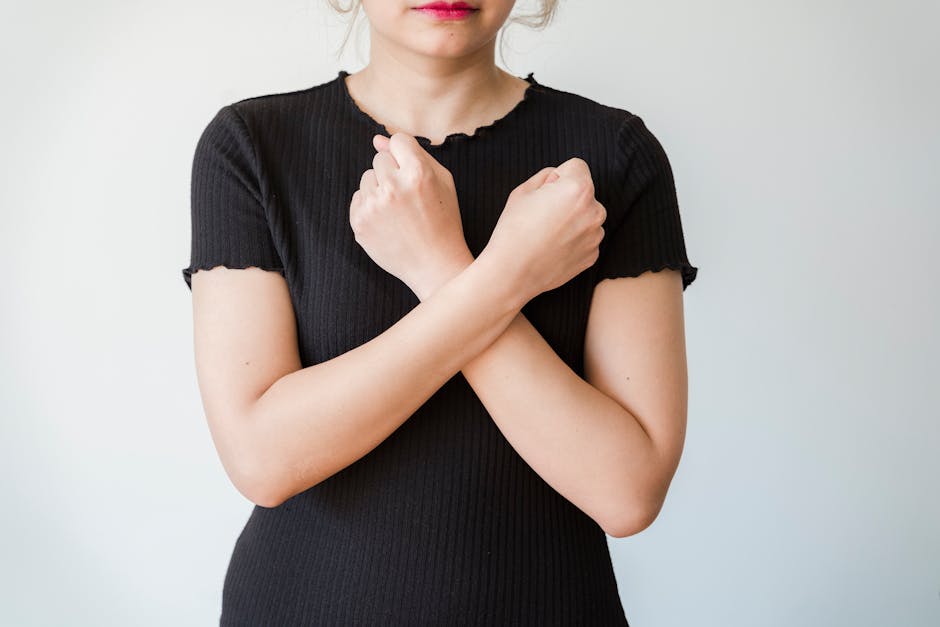
Leaning toward the other person signals comfort, whereas leaning away or crossing your arms signals discomfort. Torsos and shoulder blades seem innocuous; however, turning slightly away from another person shows discomfort, while facing another squarely signals openness.
Standing up straight, uncrossing your arms, and leaning in slightly leads people to likely perceive confidence and openness. Slouching, hunching, or closed-off body language sends signals of discomfort or defensiveness. None of this requires any dramatic performance. Small adjustments are enough to shift how someone registers you.
The Nonverbal Conflict: When Words and Body Language Disagree

When nonverbal cues are incongruent with spoken words, it creates a sense of dishonesty and inconsistency, eroding trust between individuals. This is a far more common problem than people realize. You can say the right things and still fail to build trust if your body is telling a different story.
When verbal and nonverbal messages conflict, people tend to give nonverbal messages more credibility. In practical terms, that means your posture and facial expressions will almost always outweigh your carefully chosen words when the two are in tension.
Nonverbal signals are often interpreted more quickly and can carry more weight than verbal communication. The 3-second rapport window, then, is mostly a nonverbal window. What your body does in those opening moments sets the emotional tone of everything that follows.
Avoidant vs. Affiliative: The Two Modes That Define Every Interaction
It’s not simply a matter of trying to remember a set of behavioral dos and don’ts. It’s about your intentions. If you approach someone with an “affiliative” mindset – I like you, I want to work with you, I want to help you – your body language will project that attitude. If you allow yourself to slip into a more avoidant or defensive mindset, your words, actions, and even tone of voice will give you away.
The process of synchronizing our body movements with others is known to enhance rapport, affect, and prosociality. Emerging evidence even suggests that synchronizing activities may enhance cognitive performance.
Synchrony between people is believed to support social learning and social alignment, which can in turn strengthen social bonds. The social benefits of movement synchrony – matching other people’s body movements – have been investigated in depth, and the general consensus is that it functions as a form of “social glue.”
Cultural Nuance and the Limits of the 3-Second Rule

What counts as a good first impression varies across cultures. Direct eye contact may signal confidence in some places but disrespect in others. A firm handshake may be seen as professional in one context, but unnecessary or even intrusive in another. Cross-cultural awareness is therefore crucial in global interactions.
Cultural differences further complicate the nonverbal communication landscape. Gestures and expressions that are acceptable in one culture might be perceived differently or even offensively in another. The lack of awareness and sensitivity towards these nuances can hinder trust-building efforts in diverse settings.
As Princeton’s Professor Todorov himself noted, “we find judging others based on a single glance irresistible, but the judgments we reach are usually wrong,” and he recommends looking for other sources of knowledge about people. The 3-second rapport is a starting point, not a verdict. It opens the door – it doesn’t tell you what’s behind it.
Conclusion: Small Signals, Lasting Impressions
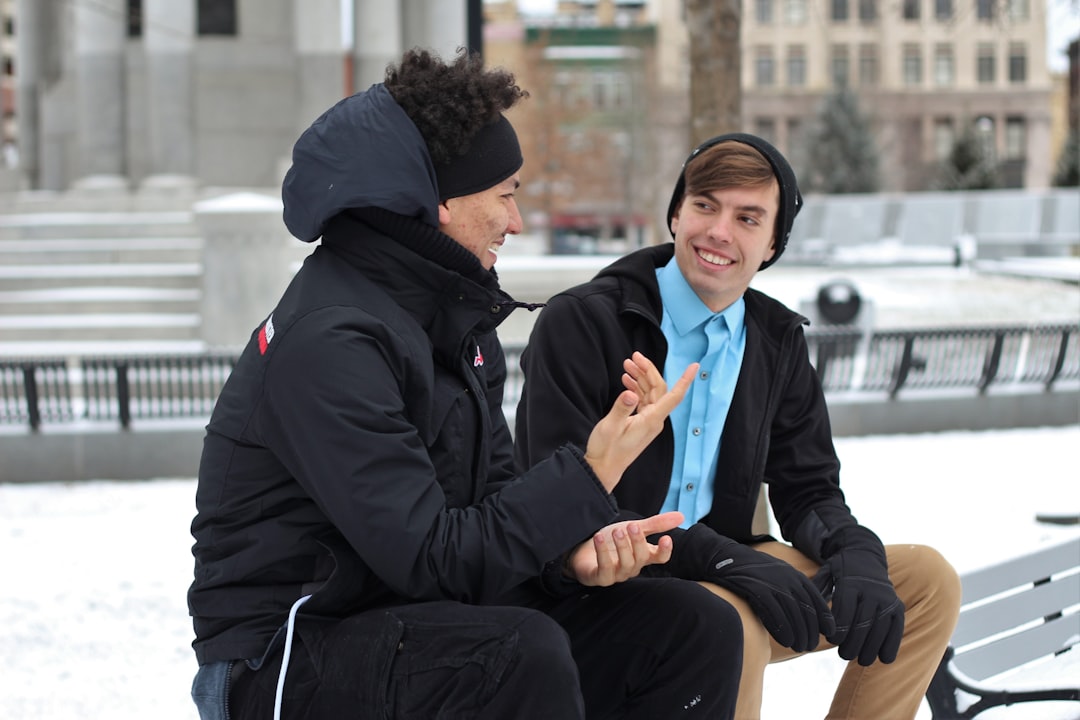
Once people form initial impressions, they are slow to change them. Research headed by Robert Lount from Ohio State University found that getting off on the wrong foot at the start of an interaction has devastating long-term consequences.
Nonverbal communication allows individuals to create more authentic and meaningful interactions, ultimately strengthening trust and rapport in various personal and professional settings. It is a powerful tool that complements and enriches verbal communication, enabling individuals to connect on a deeper level.
None of this demands performance. Open palms, a genuine smile, a relaxed posture, and brief natural eye contact are not tricks, exactly – they’re the visible expression of actually being present with another person. The 3-second rapport works best not when it’s rehearsed, but when it flows from real engagement. That, more than any technique, is what strangers tend to trust.