

What Alpha Brainwaves Actually Are
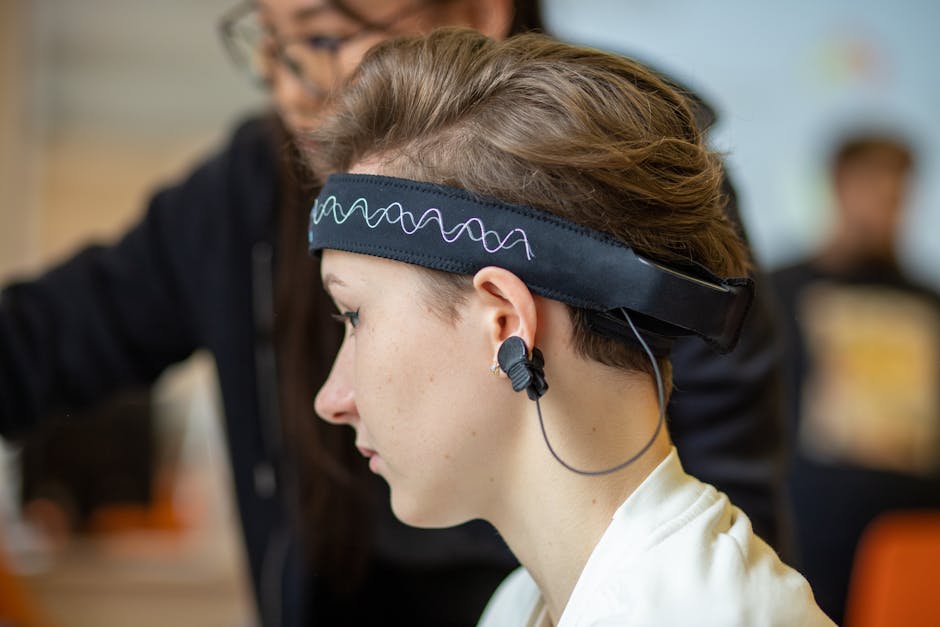
Alpha brainwaves are rhythmic patterns of brain activity that occur when you’re both relaxed and awake, measured in a frequency range of 8 to 12 Hz. Unlike the faster beta waves associated with intense mental activity or the slower theta waves seen in deep relaxation or early sleep, alpha waves represent a harmonious state where relaxation and alertness coexist.
Alpha waves are linked to a calm, peaceful state of mind, and this brainwave state is associated with reduced anxiety and stress, as well as improved creativity and focus. These waves signal the brain is in a balanced state of calm and alertness, often called the “flow state.”
What Happens in the Brain During Deep Meditation

Nondirective meditation yields more marked changes in electrical brain wave activity associated with wakeful, relaxed attention than just resting without any specific mental technique. This is a key distinction. Simply lying down with your eyes closed does not produce the same neurological signature.
Research found significantly increased theta power during meditation when averaged across all brain regions, with theta notably greater in the frontal and temporal-central regions. There was also a significant increase in alpha power in the meditation condition compared to the rest condition.
Delta waves are characteristic of sleep, and there was little delta activity during meditative tasks, confirming that nondirective meditation is different from sleep. The brain is doing something genuinely distinct, not simply approximating rest.
The Sleep Duration Study That Raised Eyebrows
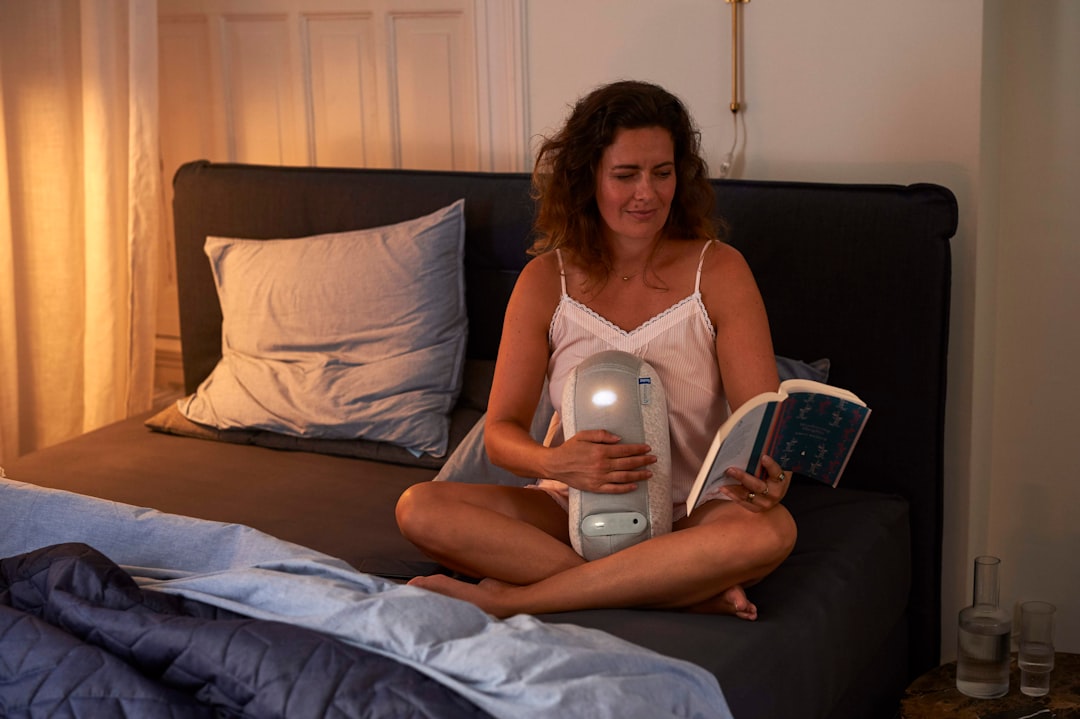
Research found that meditators had significantly shorter sleep durations than non-meditators, averaging 5.2 versus 7.8 hours per day. That gap is striking, and what makes it more meaningful is the absence of performance deficits.
A subset of meditators also underwent Multiple Sleep Latency Tests to look for daytime sleepiness, and did not display any evidence of sleep debt, with mean sleep latency above population norms. Each of the experienced meditators slept an average of 5.2 hours per night, compared to 7.8 hours for the non-meditator group, and they tested well on mental performance with no signs of sleep deprivation regardless of their lower hours of sleep.
Reaction Time, Naps, and Meditation: A Direct Comparison

Research results demonstrate that a forty-minute bout of meditation produces a short-term improvement in psychomotor vigilance task performance in novice meditators. Naps, curiously, did not deliver the same benefit. All ten novice meditators improved their reaction times immediately following periods of meditation, and all but one got worse immediately following naps.
That’s the main reason why a meditation session makes you feel alert and active, while a 20 to 40 minute sleep often leaves you groggy. A study from Oregon State University’s College of Business found that 10 minutes of meditation replaces roughly 44 minutes of sleep. That study focused on sleep-deprived entrepreneurs, so its generalizability is limited, but the directional finding is consistent with other research.
Deeper Meditation and the Alpha-Depth Connection

Increased alpha activity was related to fewer distractions and more deeper meditation experiences. Deeper meditation experiences appear to involve a suppression of executive neural processing. In practical terms, the mind stops managing and starts genuinely resting.
Results demonstrated significant differences in self-reported meditation depth between long-term meditators and non-meditators. Notably, frontal alpha asymmetry findings exhibited distinct interaction effects highlighting variations between the two groups, with a positive correlation established between frontal alpha asymmetry and the depth of meditation. This 2025 study published in Frontiers in Human Neuroscience adds weight to the idea that EEG patterns are reliable markers of meditative depth.
How Meditation Handles Cortisol Differently Than Sleep

Meditation has been shown to reduce stress markers such as cortisol, improve autonomic nervous system balance, and enhance melatonin production, promoting restorative sleep. This is a meaningful physiological chain, not just a relaxation effect.
A large 2024 meta-analysis published in Psychoneuroendocrinology reviewed 58 randomized controlled trials to find out where mindfulness effort pays off most. The researchers looked at changes in cortisol before and after various stress-reduction interventions. That meta-analysis found mindfulness and meditation to be among the most effective at reducing cortisol, particularly when morning awakening cortisol levels were measured, suggesting mindfulness may be especially effective at restoring a healthier cortisol rhythm, not just reducing stress in the moment, but resetting how the day begins.
Nondirective vs. Concentrative Meditation: Why the Type Matters

Research suggests that nondirective meditation techniques alter theta and alpha EEG patterns significantly more than regular relaxation, in a manner that is perhaps similar to methods based on mindfulness or concentration. This is not a trivial point. Trying too hard to meditate may actually blunt the very brainwave shifts that produce deep restoration.
Nondirective meditation techniques are practiced with a relaxed focus of attention that permits spontaneously occurring thoughts, images, sensations, memories, and emotions to emerge and pass freely. These techniques are thought to facilitate mental processing of emotional experiences, thereby contributing to wellness and stress management. Research also shows that regular meditation rewires your brain to enter the alpha state more easily over time.
Long-Term Meditators: A Separate Category

An important discovery in the recent history of neuroscience concerns the significant differences in brainwave characteristics of highly experienced meditators. Expert meditators not only have different resting-state brainwaves from non-meditators, but they also seem able to control their brainwaves through voluntary thought control with greater ease than others.
A study published by the New York Academy of Sciences concluded that Buddhist types of meditation practices may improve wakefulness and reduce the need for sleep, especially in long-term practice. It is only with serious deep and long meditative states, similar to those experienced by accomplished monks and life-long meditators, that one experiences ultra-low frequency delta brain waves during meditation, which have the potential to replace even portions of deep sleep.
Where the Evidence is Honest: What Meditation Cannot Replace

Sleep is a non-negotiable biological need which triggers a cascade of essential restorative functions, including muscle repair, memory consolidation, and hormone regulation. These functions are wholly unique to the state of sleep and cannot be replicated by meditation or any other form of rest, no matter how energized you may feel after a session.
The general conclusion is that humans need a basic core amount of sleep of about 7 to 8 hours for adults for optimal functioning without accumulating sleep debt. Replacing 30 minutes of sleep from this minimum with thirty minutes of meditation can be done without significantly affecting performance, and sometimes even improving it. The honest framing is complementary, not competitive.
Practical Takeaways for Building a Restorative Practice

A 2024 review found that the length of the meditation intervention didn’t significantly influence effectiveness, meaning regular and consistent practice may be more important than how long each session lasts. That’s encouraging news for anyone who struggles to carve out an hour.
Regular meditation and mindfulness may naturally enhance alpha wave activity by encouraging a state of relaxed alertness. Meditation has been shown to help people fall asleep twice as quickly, enhance REM sleep states, and preserve deep sleep, and in one insomnia and meditation trial, roughly three in five participants no longer qualified as insomniacs by the end of the study.
Meditation does not cause insomnia and can in fact be used to treat insomnia. Over the longer term, meditation has been shown to improve sleep quality and increase overall quality sleep time in practitioners. The relationship between meditation and sleep, in other words, is more cooperative than competitive.
Conclusion