


The Cortisol Awakening Response: Your Body’s Natural Wake-Up System

The cortisol awakening response (CAR) is an increase of between 38 and 75 percent in cortisol levels, peaking around 30 to 45 minutes after waking in the morning. This is not a stress malfunction. It is a finely tuned biological ignition sequence designed to get you ready for the day.
The CAR is the rapid increase in cortisol levels across the first 30 to 45 minutes after morning awakening, and this strong cortisol burst at the start of the active phase has been proposed to be functional in preparing the organism for the challenges of the upcoming day. Think of it less as a stress response and more as your body’s way of charging its own battery before it needs to run.
Neurobiological models of cortisol suggest that the CAR upon morning awakening can set up a tonic tone as background activity to mobilize metabolism and energy supply for the brain and body, through intricate expression of mineralocorticoid and glucocorticoid receptors that act on neuronal excitability of brain networks. When left undisturbed, this system works beautifully.
How Widespread Is the Morning Phone Habit?

The scale of this behavior is striking. Most of us have a few common phone habits, including checking phones within ten minutes of waking up, which applies to around 85 percent of Americans. This means the vast majority of people are introducing digital stimulation at arguably the most hormonally sensitive moment of their entire day.
Americans check their phones 205 times per day, and over 80 percent check their phones within the first 10 minutes of waking up. That figure has grown sharply in recent years. Screen time statistics show Americans are spending an average of 5 hours and 16 minutes per day on their phones, a 14 percent increase from the previous year.
The habit is especially pronounced among younger generations. The early morning smartphone check is even more prevalent among young adult Millennials, two-thirds of whom said they check their smartphones as soon as they wake up and are still in bed. For that age group, it has effectively become a morning reflex.
What Actually Happens When You Grab Your Phone in Bed
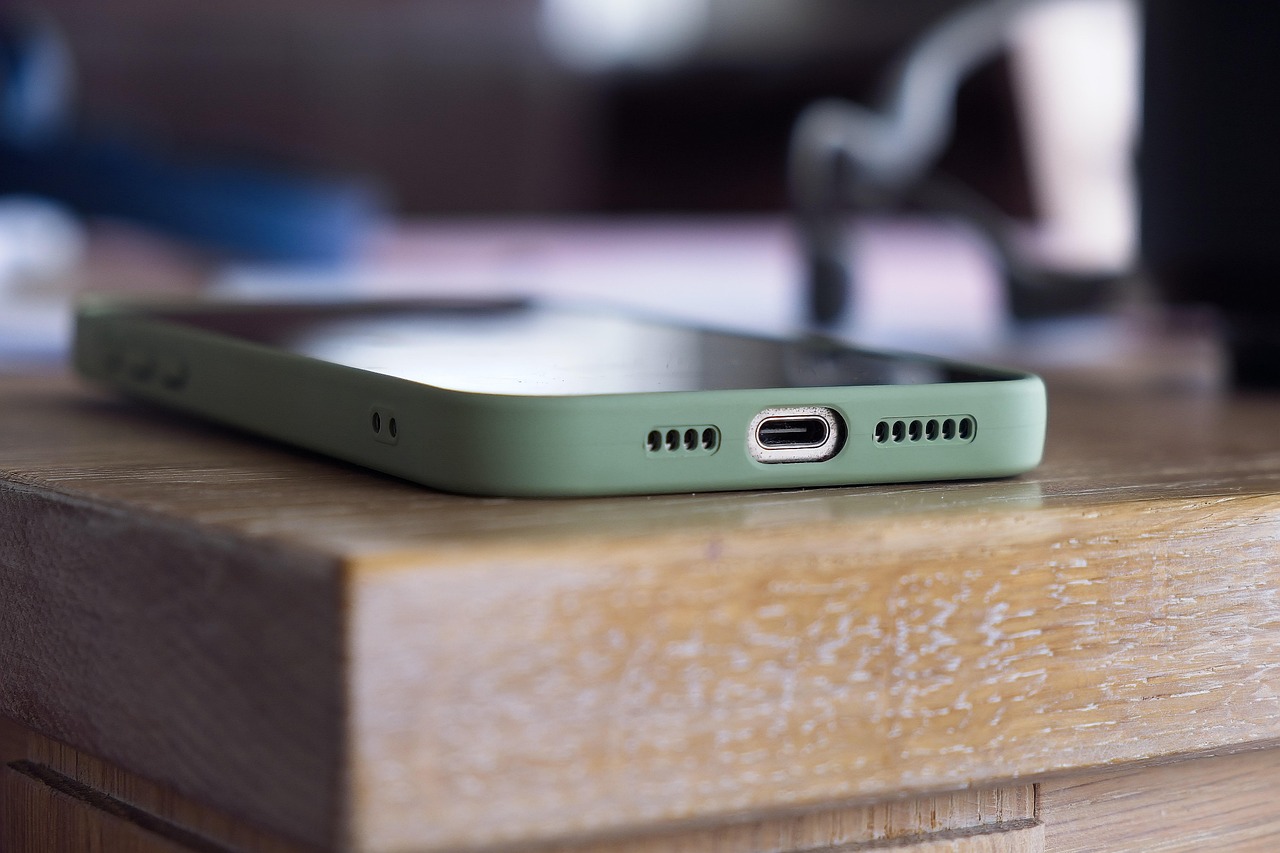
When you wake up naturally, your cortisol levels rise slowly to help fully awaken you and prepare your body for the day. This cortisol awakening response is a normal, healthy process. Checking your phone, however, interrupts it in problematic ways. The disruption is not metaphorical. It is measurable and physiological.
Research shows that text message notifications alone can cause measurable increases in salivary cortisol levels. When you spike cortisol unnaturally while still in bed, especially if the first notifications you read are work emails or alarming headlines, your body becomes jittery and your mind edgy.
A recent study found that greater smartphone use was associated with a greater rise in the cortisol awakening response, the natural spike in cortisol that occurs around 30 minutes after waking to prepare us for the demands of the day. Rather than riding a clean, gradual wave upward, the CAR becomes erratic and amplified.
The Dopamine and Cortisol Double Hit

Phones don’t just activate one stress pathway. They simultaneously trigger two competing neurochemical systems. Screens don’t just spike your cortisol. They also flood you with dopamine, the feel-good reward chemical. Your brain releases dopamine when you see something exciting, and cortisol when you see something stressful. Your morning feed typically serves both at once.
The resulting internal state is a kind of neurochemical chaos. An exaggerated morning cortisol spike can mimic the exact symptoms of anxiety including racing thoughts, a tight chest, and a rapid heartbeat. This is why many people experience cortisol awakening response anxiety, especially if their HPA axis is overstimulated.
Additional contributors to morning stress overload include blood sugar drops from overnight fasting, which can trigger fight-or-flight symptoms, poor sleep quality, rushing through mornings, checking your phone immediately upon waking, caffeine on an empty stomach, and unresolved stress carried over from the day before. The phone is just one trigger, but it is often the first one of the day.
Cortisol and Your Metabolism: The Real Connection

Here is where the stakes shift from mood to biology. Cortisol is produced when we are under stress, and its role is to keep the body on high alert by increasing blood sugar levels and suppressing the immune system. This serves us well when dealing with an immediate physical threat that resolves quickly. When we’re faced with ongoing emotional stressors, chronically elevated cortisol levels can lead to all sorts of health problems.
The disinhibition of the HPA axis and elevated cortisol levels stimulate hepatic gluconeogenesis and cause direct and insulin-mediated effects on adipose tissue and skeletal muscle, thus causing increased visceral adipose tissue, insulin resistance, dyslipidemia, and hypertension. These are not distant future risks. They are processes that begin with habitual cortisol disruption.
Chronic stress, characterized by increased long-term exposure to the glucocorticoid hormone cortisol, is increasingly linked to obesity development. Still, various knowledge gaps persist, including on underlying pathophysiological mechanisms. What science does agree on is that the pattern begins early, including each morning.
Cortisol, Insulin Resistance, and Blood Sugar

Cortisol is a counterregulatory hormone that antagonizes insulin. Its chronic supraphysiological elevation induces insulin resistance, a risk factor for cardiovascular and metabolic diseases. This is one of the most direct links between the stress hormone and metabolic function.
When administered in high physiologic doses, as seen in acute stress, cortisol promotes hepatic and muscle insulin resistance and impairs insulin secretion. The body essentially becomes less efficient at managing glucose, a process that, repeated daily over time, has serious cumulative consequences.
Studies show that chronically high cortisol levels, produced in response to stress, may contribute to insulin resistance, which is a risk factor for type 2 diabetes. An optimal cortisol awakening response and healthy cortisol levels may also reduce the risk of developing obesity, type 2 diabetes, depression, and many other chronic health concerns, according to the latest research. The direction of that relationship cuts both ways.
An Abnormal CAR and Its Health Consequences

An abnormal CAR can be either heightened or blunted, and the magnitude of the CAR correlates with neuropsychiatric and metabolic health conditions. According to research, an abnormal CAR is associated with several health concerns, including obesity, clinical depression, chronic stress, and type 2 diabetes. The CAR is not just a morning curiosity. It is a window into deeper health trajectories.
A role for the CAR in glucose metabolism and related physiological processes can also be inferred from CAR blunting in type 2 diabetes mellitus and insulin resistance. The metabolic and hormonal systems are tightly intertwined, more so than most people realize when they reach for their phones at 6 a.m.
When your HPA axis is overactive due to chronic stress, poor sleep, or burnout, this natural cortisol peak after waking can become overwhelming, leaving you feeling jittery and on edge instead of alert and energized. Early-morning phone checking is one of the more consistent daily inputs that keeps the HPA axis in a state of low-level agitation.
The Reactive vs. Proactive Morning: A Cognitive Dimension

There is a cognitive cost too, not just a metabolic one. Your brain doesn’t just flip a switch when you wake up. It transitions through distinct brainwave states, moving from delta waves during deep sleep to theta waves in that dreamy, half-awake state, then to alpha waves associated with quiet wakefulness, before finally reaching beta waves for focused attention. Cutting that process short has consequences.
When you check your phone first thing in the morning, you’re not just losing a few minutes. You’re fragmenting your attention for the entire day ahead. The morning phone habit essentially hijacks the brain’s natural boot sequence, forcing it into reactive mode before it has finished its own startup process.
There’s a fundamental difference between starting your day proactively versus reactively. When you check your phone first thing, you’re immediately responding to other people’s demands, priorities, and problems rather than setting your own intentions for the day. For metabolism and stress hormones alike, that reactive launch is not a neutral event.
Sleep Quality, Cortisol Rhythm, and the Night Before

The morning cortisol picture cannot be separated from the night that preceded it. Cortisol was elevated in the morning after reading on a smartphone without a filter, which resulted in a reduced cortisol awakening response. Evening phone use and morning cortisol dysfunction are connected by a thread of disrupted sleep architecture.
Poor sleep quality and quantity, along with a disrupted body clock, are potent drivers of insulin resistance, compounding the effects of stress. As one comprehensive review concluded, sleep loss leads to metabolic dysfunction through the hyperactivation of the HPA axis. The morning and the night before are not separate events. They are part of one continuous hormonal cycle.
Studies have found that up to 62 percent of people with glucose dysregulation also experience poorer sleep quality, highlighting the intimate connection. The phone habit at both ends of the day compounds itself in ways that are difficult to untangle once the pattern is established.
What to Do Instead: Protecting Your Morning Cortisol Window

The fix does not require a dramatic life overhaul. Gentle habits like early sunlight exposure, slow breathing, and a protein-rich breakfast can regulate morning cortisol levels and bring the cortisol awakening response back into balance. Start with light before caffeine: step outside within 30 minutes of waking to signal your suprachiasmatic nucleus that it’s time to rise gently.
Delaying caffeine intake until 90 to 120 minutes after waking allows your cortisol awakening response to complete naturally. Consuming caffeine during the CAR peak can blunt this natural energy surge and lead to increased caffeine dependence over time. The same logic applies to digital consumption: give the CAR space to complete before introducing stimulation.
Specialists advise that waiting just 20 minutes before using your phone can help level out natural cycles of cortisol. Even that modest buffer makes a physiological difference. The goal isn’t to reject technology. It’s to let your body finish its own morning process before you hand the reins to your inbox.
Conclusion: The First Ten Minutes Are Not Trivial

The case against checking your phone immediately after waking is not built on vague wellness intuition. It is grounded in how the HPA axis works, how cortisol and insulin interact, and how chronic disruption of morning hormonal rhythms contributes to real metabolic dysfunction over time. The science is still evolving in certain areas, but the core picture is clear enough to act on.
Your body spends the first 30 to 45 minutes after waking doing something important: calibrating itself for the day ahead. Cortisol is not harmful by itself. It is part of the body’s natural rhythm. The issue comes when external habits, like early phone checking, interfere with this rhythm. Instead of a gentle rise and fall of cortisol, the body experiences sharp peaks that can leave us feeling drained.
The most counterintuitive realization is this: doing less in the first ten minutes of your morning may actually give you more. More energy, more metabolic stability, more cognitive clarity throughout the day. The phone will still be there. Your cortisol window, once disrupted, will not reset until tomorrow morning.