

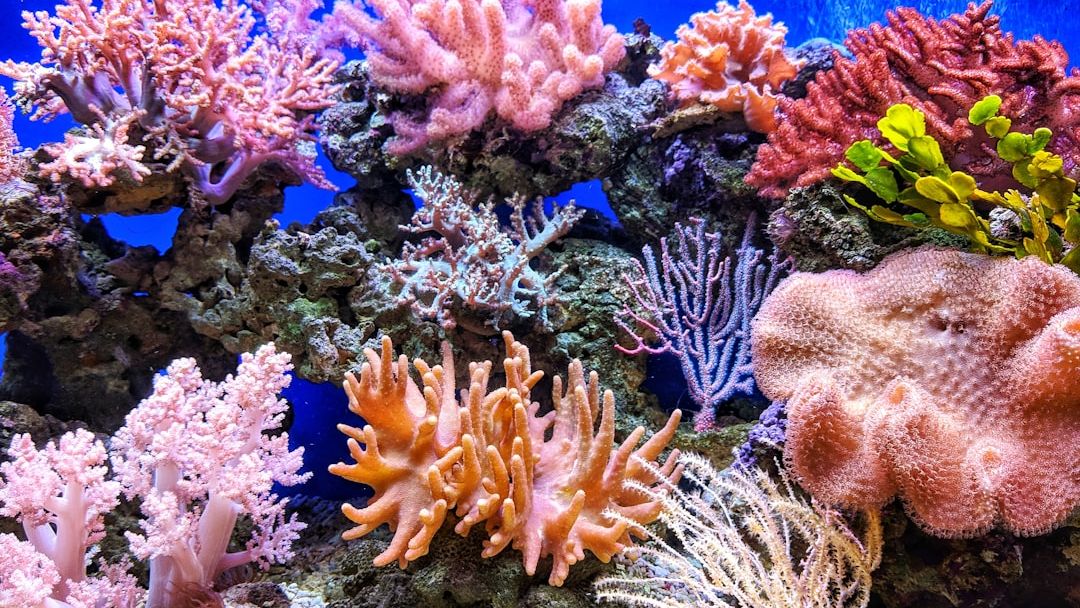
Indonesia to conserve coral reefs in ‘debt-for-nature’ deal – Image for illustrative purposes only (Image credits: Unsplash)
Indonesia has reached an agreement with the United States that redirects $35 million in debt payments toward the protection and restoration of its coral reefs. The arrangement builds on a plan first outlined two years ago and reflects a practical way for nations to ease financial pressures while addressing urgent environmental needs. Coral reefs in the region rank among the planet’s most diverse marine systems, yet they face mounting stress from warming waters and increasing acidity.
How the Financial Arrangement Works
Under the debt-for-nature swap, Indonesia reduces what it owes by committing the equivalent amount to conservation projects. This structure allows the country to meet existing obligations without new borrowing while directing resources to ecosystems that support fisheries, tourism, and coastal protection. Similar mechanisms have been used elsewhere, including a recent effort in Ecuador that freed funds for forests, rivers, and wetlands through nonprofit facilitation.
The approach proves especially relevant for countries carrying substantial debt loads. It converts what would otherwise be routine repayments into targeted investments that deliver measurable environmental returns over time.
Why Indonesia’s Reefs Require Immediate Attention
Indonesia’s coral systems stand out for their scale and variety, hosting thousands of fish species and providing essential habitat for marine life. Rising global temperatures have already triggered widespread bleaching events in many reef areas, while ocean acidification weakens the calcium structures that form the reefs themselves. Projects funded through the new agreement aim to slow these losses by supporting restoration techniques and stronger management practices.
Without such interventions, the long-term decline of these habitats could disrupt food security and economic activity for millions of people who depend on them. The timing of the deal aligns with growing recognition that conservation must accelerate as climate impacts intensify.
Potential Reach Beyond the Current Agreement
Debt-for-nature swaps can extend to other ecosystems as well. Protecting forests, for example, helps maintain their role as natural carbon sinks that absorb emissions and moderate global temperature rise. Indonesia’s current focus on reefs may serve as a model for additional swaps that address both marine and terrestrial priorities in the years ahead.
Nonprofit organizations often play a supporting role by structuring the transactions and ensuring funds reach on-the-ground efforts. This collaborative element can increase the efficiency and accountability of the conservation spending.
What matters now: The $35 million commitment provides a concrete starting point, yet sustained results will depend on effective project design, ongoing monitoring, and continued international cooperation as ocean conditions continue to change.
Arrangements like this one demonstrate how financial tools can align debt relief with environmental goals. They offer one pathway for nations to invest in resilience without expanding their overall obligations, even as the need for such investments grows clearer each year.