

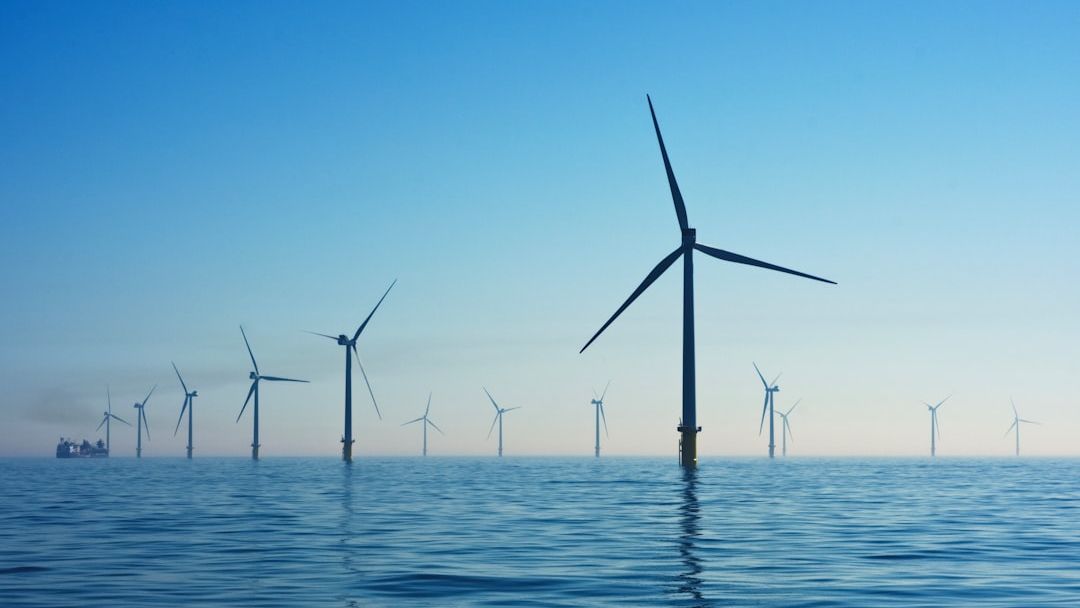
Analysis: Wind and solar have saved UK from gas imports worth £1.7bn since Iran war began – Image for illustrative purposes only (Image credits: Unsplash)
The United Kingdom has sidestepped the need for gas imports valued at £1.7 billion since the Iran conflict began, thanks to an unprecedented surge in electricity from wind and solar farms. Carbon Brief analysis of official data shows that this renewable generation has displaced gas-fired power plants at a time when global fuel prices remain elevated. The savings stem directly from lower demand for imported liquefied natural gas, which would otherwise have been required to keep the lights on.
Renewables Reach New Heights in Generation
Wind and solar together produced a record 21 terawatt hours of electricity on the island of Great Britain from the end of February through April 2026. This output exceeded the combined total from all fossil fuel sources over the same period. The clean energy sources have now outpaced fossil fuels for fifteen consecutive months, including an entire winter season for the first time.
Monthly figures reveal consistent strength. Wind and solar generation climbed steadily, while gas output dropped sharply compared with the previous year. These patterns reflect both favorable weather conditions and the growing installed capacity of renewable projects across England, Scotland and Wales.
Direct Cuts to Gas Demand and Import Needs
Gas-fired generation fell by nearly one third year on year and hit record lows for both March and April. The reduction avoided the import of roughly 41 terawatt hours of gas, equivalent to about 34 full tankers of liquefied natural gas. At prevailing high prices, those tankers would have cost the UK around £1.7 billion.
Gas set the wholesale electricity price far less frequently than during earlier price spikes. In March and April 2026, the fuel determined prices only about three quarters as often as it did in the same months of 2022. This shift has helped moderate bills for households and businesses even as international tensions keep fuel markets volatile.
April 2026 Sets Multiple System Records
The month brought several technical milestones for the national grid. On 22 April, zero-carbon sources supplied 98.8 percent of electricity on the main transmission network for half an hour. Solar output reached a new peak of 15.4 gigawatts on 23 April, while wind hit 23.9 gigawatts on 25 March.
These instantaneous highs demonstrate how renewables can meet almost all demand during favorable periods. They also highlight the system’s increasing ability to integrate large volumes of variable generation without compromising reliability.
Key points from the analysis
- £1.7 billion saved on avoided gas imports since late February 2026
- Gas generation at lowest levels ever recorded for March and April
- Wind and solar outproduced fossil fuels for 15 straight months
- Zero-carbon share hit 98.8 percent for a half-hour period in April
Longer-Term Shift in the Electricity Mix
A decade ago, fossil fuels generated more than four times as much electricity as wind and solar combined. The balance has now reversed. Renewables supplied more than twice the output of fossil sources in the period examined, marking a structural change in how Britain meets its power needs.
Continued growth in wind and solar capacity is expected to widen this gap further. The recent performance shows that higher renewable shares can deliver both environmental and economic benefits, particularly when fossil fuel markets face external shocks.