

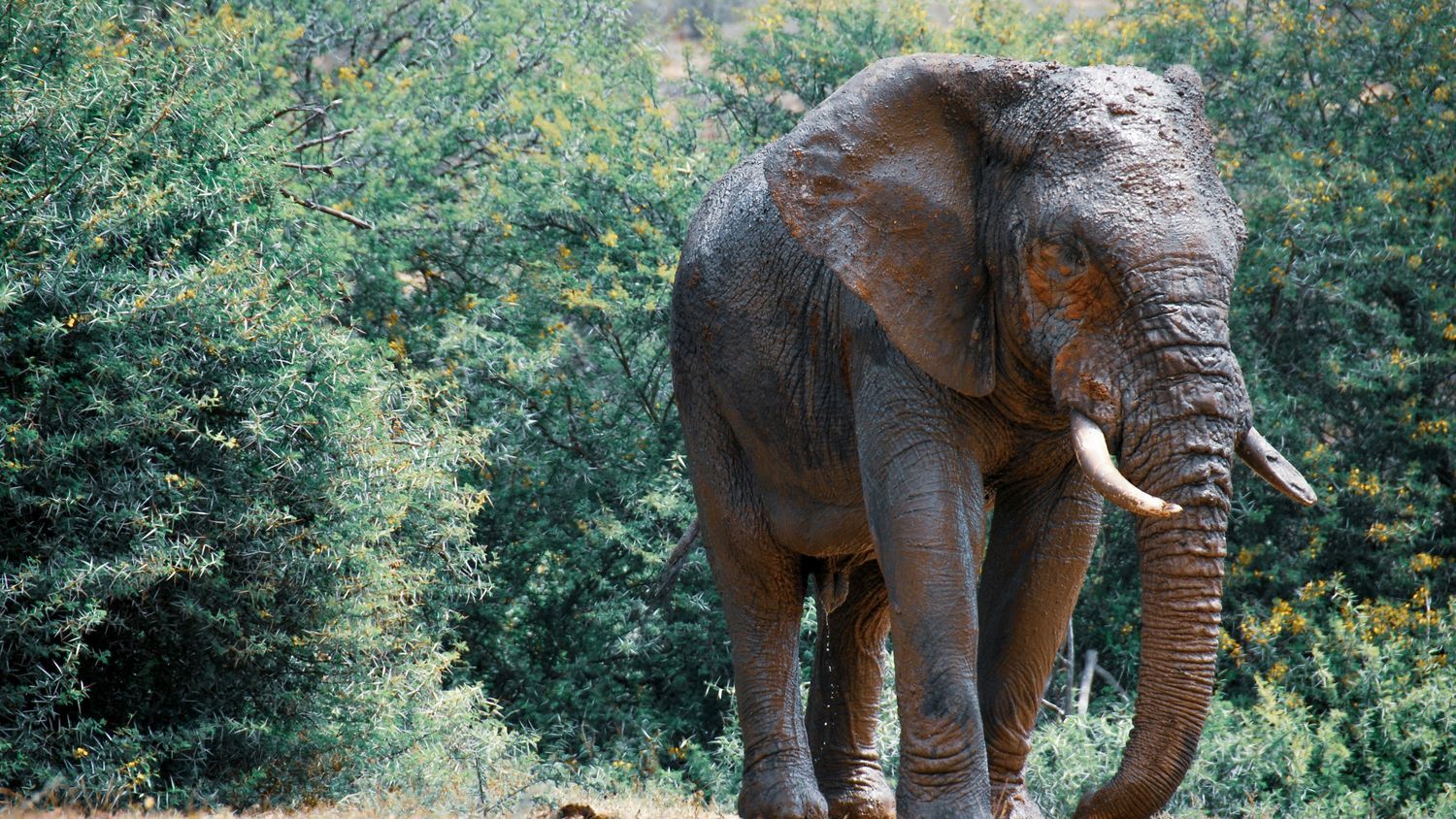
A Century of David Attenborough – Image for illustrative purposes only (Image credits: Unsplash)
Sir David Attenborough reaches his 100th birthday on May 8, 2026, a milestone that has prompted tributes across broadcasting and conservation circles. The veteran naturalist, whose measured delivery has guided audiences through remote ecosystems and intricate wildlife behaviors for more than seven decades, finds himself at the center of planned celebrations rather than the quiet observance he once anticipated. His career, which began at the BBC in 1952, established a standard for natural history programming that continues to shape public understanding of the living world.
A Milestone Marked by Unexpected Public Warmth
In the days leading up to the date, Attenborough released a brief audio message expressing surprise at the volume of greetings he had received. He noted that he had expected to mark the occasion privately, yet the outpouring from viewers worldwide made that impossible. The response underscores how deeply his work has resonated across generations, turning a personal birthday into a shared cultural moment. Broadcasters have responded with dedicated programming that revisits landmark series alongside new productions. A live event at London’s Royal Albert Hall, titled “David Attenborough’s 100 Years on Planet Earth,” will air on BBC One and iPlayer on the evening of his birthday, featuring performances and reflections on his contributions to storytelling and science communication.
From Early Broadcasts to Global Reach
Attenborough joined the BBC shortly after completing his studies and quickly moved into roles that combined exploration with education. Over the following decades he narrated series that introduced millions to habitats ranging from coral reefs to polar ice, always emphasizing observation over spectacle. His approach helped transform natural history from niche interest into mainstream viewing, with programs reaching audiences in the hundreds of millions. The consistency of his presence on screen and in voice-over created a sense of continuity for viewers. Even as production techniques evolved, the same calm authority remained, allowing complex ecological relationships to feel accessible without simplification. This steady style has been credited with fostering greater public awareness of biodiversity and environmental pressures.
Legacy That Extends Beyond the Screen
Beyond the documentaries themselves, Attenborough’s influence appears in the way subsequent filmmakers approach their subjects and in the language used to discuss conservation. Experts in science communication have noted that his work demonstrated how narrative can convey urgent information about climate and habitat loss without losing its sense of wonder. Species named in his honor further illustrate the scientific community’s recognition of his role in highlighting the natural world. The celebrations planned for his centenary reflect this broader impact. Rather than focusing solely on past achievements, the programming connects his long career to ongoing efforts to protect the environments he has documented. Viewers are invited to consider both the progress made in understanding ecosystems and the challenges that remain.
What Matters Now
As tributes continue, the emphasis rests on the enduring value of patient observation and clear communication. Attenborough’s example shows how one voice, sustained over a century, can shape collective attention toward the planet’s living systems. The milestone serves as a reminder that the stories he helped tell still guide how societies respond to environmental change.