

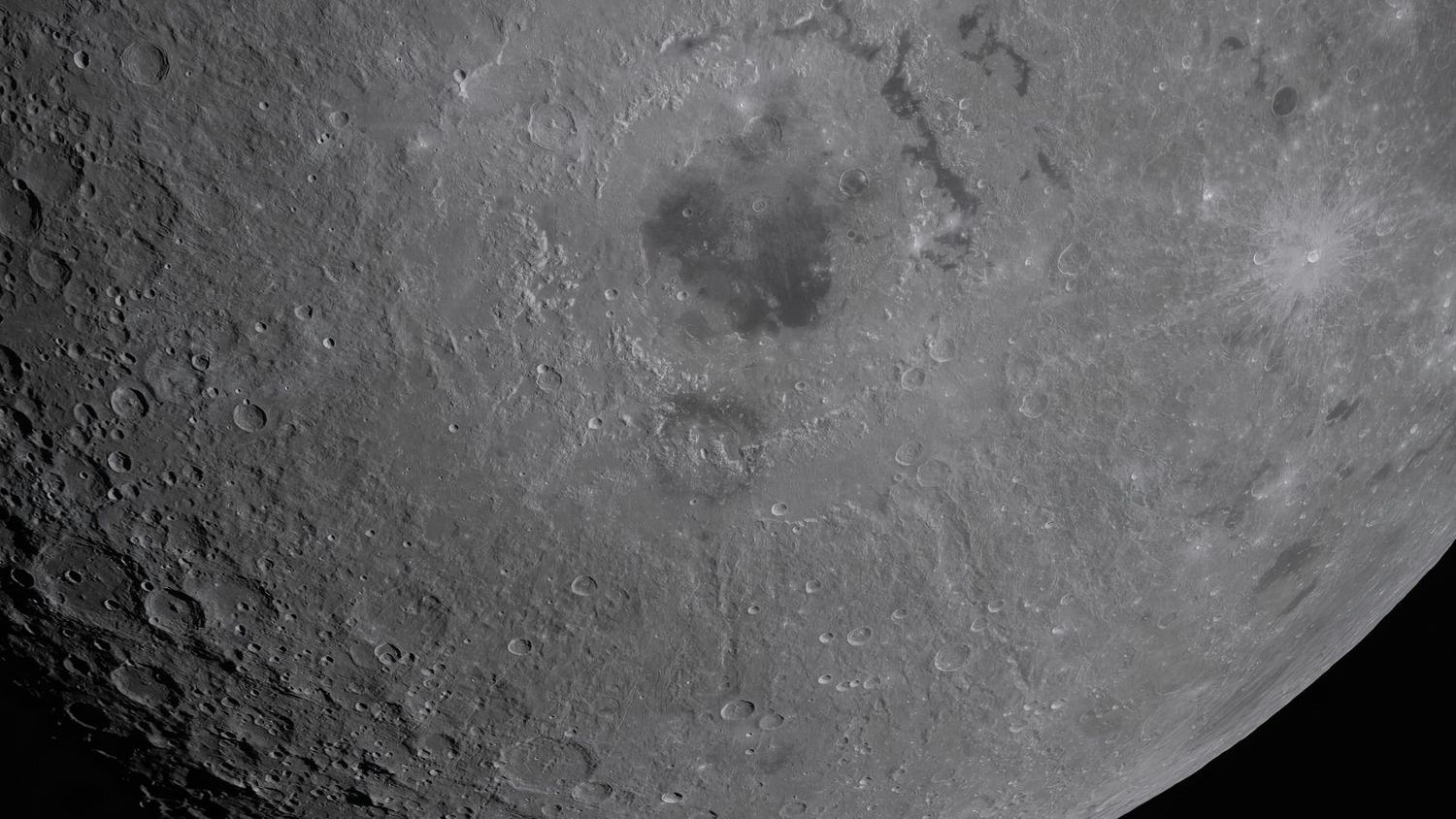
NASA’s Artemis 2 astronauts saw flashes on the far side of the moon that cameras struggle to capture. Here’s why scientists are excited – Image for illustrative purposes only (Image credits: Unsplash)
The Artemis 2 crew reported several brief flashes of light on the moon during their April 6 flyby. These sightings occurred on the far side of the lunar surface, an area that remains difficult for ground-based instruments to monitor continuously. The observations have drawn attention from researchers who study how often small objects strike the moon and what those events reveal about the surrounding space environment.
Direct Human Sightings During the Flyby
Astronauts on board the Orion spacecraft noted the flashes while the vehicle passed close to the moon. Each event appeared as a quick point of light against the dark lunar terrain. The timing aligned with the mission’s trajectory, which carried the crew around the far side before returning toward Earth.
Unlike many automated cameras that record at fixed intervals, the human observers could track the flashes in real time. This allowed them to note details such as location and duration that might otherwise go unrecorded. Mission planners have described the reports as a useful supplement to the data collected by onboard instruments.
Challenges in Capturing These Events
Impact flashes result from meteoroids striking the moon and vaporizing on contact. The resulting light lasts only fractions of a second, making consistent detection difficult even with sensitive equipment. Cameras on spacecraft and telescopes on Earth often miss these brief events because of limited field of view or timing constraints.
The far side presents additional obstacles. It faces away from Earth, so ground stations cannot observe it directly. Spacecraft must be in the right position at the right moment to record anything at all. The Artemis 2 reports therefore fill a gap that remote systems have struggled to close.
Why Researchers See Value in the Reports
Scientists studying lunar impacts have long sought more frequent and accurate observations. Each confirmed flash adds to the record of how often the moon encounters small debris. Over time, such data can help refine models of the near-Earth environment and improve safety assessments for future landings.
Mission planners also note that human crews can provide context that instruments alone cannot supply. An astronaut can confirm whether a flash coincides with a known meteor shower or appears isolated. These details help separate routine events from those that might warrant further study.
The April 6 observations arrive at a time when NASA is preparing for longer stays on and around the moon. Understanding the frequency and distribution of impacts supports decisions about where to place habitats and how to protect equipment. The Artemis 2 findings are expected to feed directly into those planning efforts.
Looking Ahead to Additional Data
Teams at NASA and partner institutions are now reviewing the full set of recordings from the flyby. They will compare the astronaut reports with any images or sensor readings collected at the same moments. This cross-check should clarify how many flashes were captured by instruments and how many were seen only by the crew.
Future Artemis missions may incorporate similar human observations as a standard practice. The approach could become part of a broader strategy that combines crew reports with automated monitoring. Such combined methods are viewed as one way to build a more complete picture of lunar conditions before crews attempt extended surface operations.