

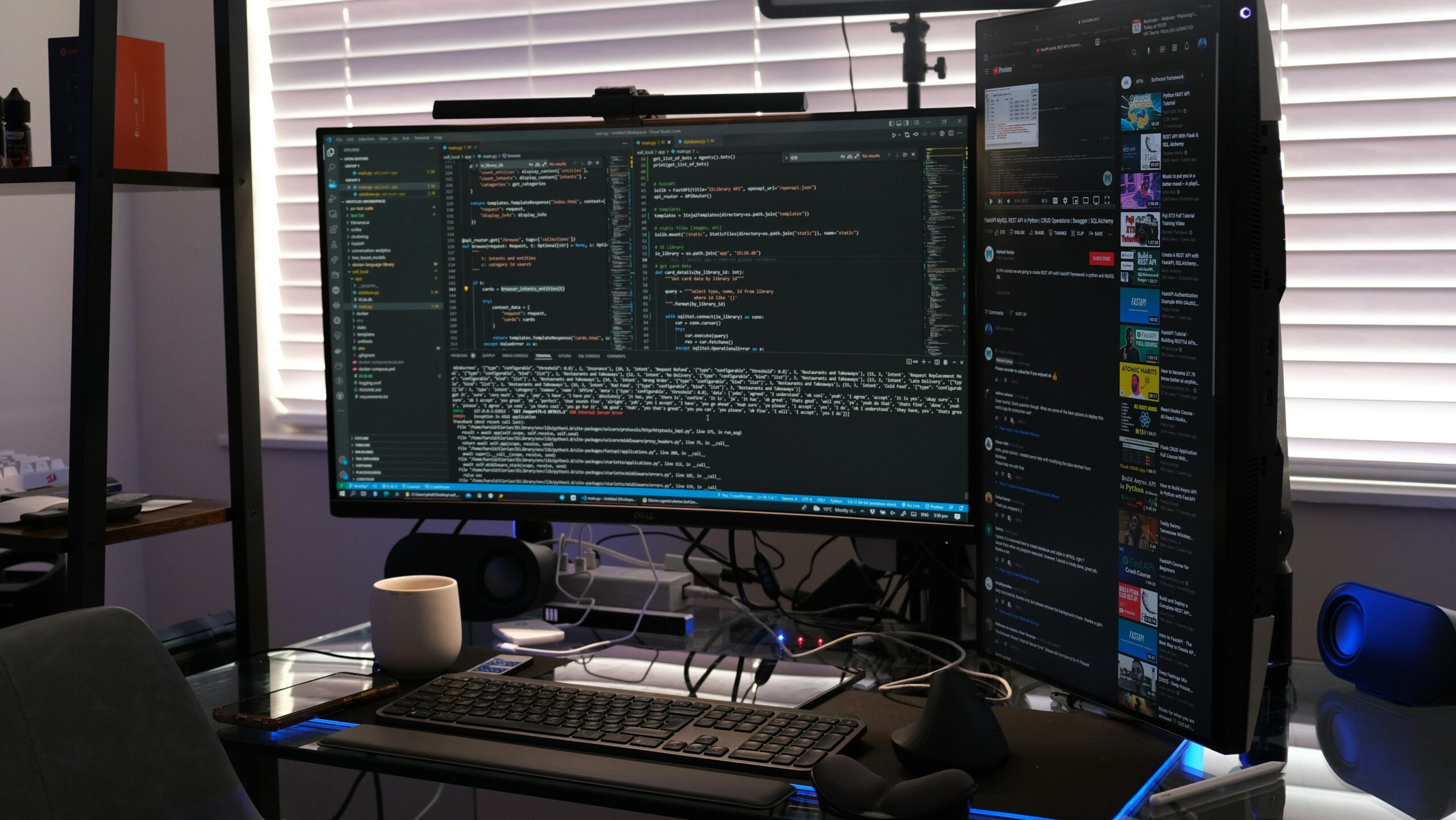
Airbnb says AI now writes 60% of its new code – Image for illustrative purposes only (Image credits: Unsplash)
Airbnb has disclosed that artificial intelligence now generates 60 percent of the code for its new features and updates. The company also noted that its dedicated AI support bot resolves 40 percent of customer issues without any human involvement. These figures reflect a deliberate push to embed AI deeper into daily operations across engineering and service teams.
Engineering Teams Adapt to AI Assistance
Developers at the company now spend less time on routine coding tasks and more on reviewing, refining, and integrating AI-generated segments. This shift allows engineers to focus on complex architecture decisions and user experience improvements rather than boilerplate implementation. Teams report faster iteration cycles on product updates as a direct result. The change affects hiring and training priorities as well. New engineers receive guidance on collaborating with AI tools from their first day, while experienced staff adjust workflows to include prompt engineering and output validation. Stakeholders across product and infrastructure groups have seen measurable gains in output volume without corresponding increases in headcount.
Customer Support Operations See Parallel Gains
The AI bot handles straightforward inquiries such as booking modifications and policy clarifications on its own. Human agents step in only for escalated cases involving disputes or technical troubleshooting. This division has reduced average response times for the majority of contacts. Support managers track resolution rates closely to maintain service quality. The 40 percent autonomous handling rate frees staff to address higher-value interactions that require empathy or specialized knowledge. Customers benefit from quicker initial replies, while the company manages volume growth without proportional staffing increases.
Practical Effects on Company Resources
Resource allocation has changed noticeably since the AI systems reached these thresholds. Engineering budgets now emphasize tool licensing and model fine-tuning over additional developer seats. Support departments redirect savings toward training programs that build advanced problem-solving skills. A compact comparison illustrates the split:
| Area | AI Share | Human Role |
|---|---|---|
| New Code | 60% | Review and integration |
| Support Issues | 40% | Complex escalations |
These adjustments demonstrate how one major platform balances automation with oversight to sustain growth.
Stakeholder Adjustments Across the Organization
Product leaders monitor code quality metrics to ensure AI contributions meet internal standards. Investors view the efficiency gains as a signal of scalable operations. Employees across functions adapt by acquiring new competencies in AI oversight and exception handling. The company continues to refine its models based on internal performance data. This ongoing process keeps both development speed and support reliability aligned with user expectations.