

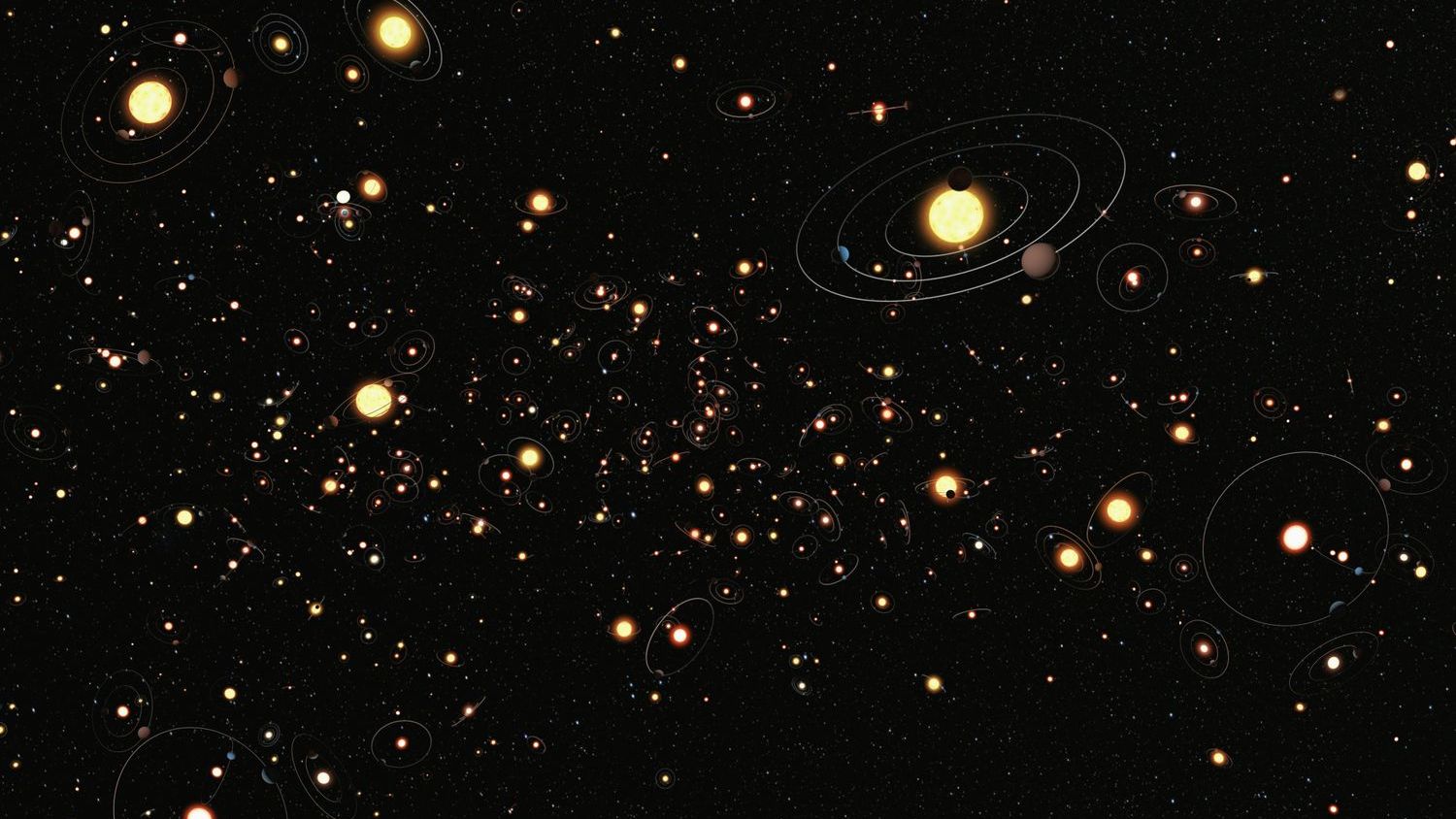
Scientists found 10,000 possible exoplanets hiding in NASA data – Image for illustrative purposes only (Image credits: Unsplash)
Astronomers have identified more than 10,000 potential planets beyond our solar system by reexamining existing observations from NASA missions. The total now stands at 10,091 candidates that require further study before any can be confirmed as actual worlds. This development highlights how much information may still lie untapped in archives collected over years of space telescope operations.
The Scale of the New Candidates
The jump to over 10,000 candidates represents a substantial increase in the pool of objects astronomers must evaluate. Each candidate shows signals consistent with a planet passing in front of its host star, yet many could turn out to be false positives caused by stellar activity or other phenomena. The sheer volume means researchers now face a longer list of targets for follow-up observations with ground-based telescopes and future space instruments.
Confirmation typically involves multiple additional measurements to rule out alternative explanations. Only after those steps can a candidate receive official status as a confirmed exoplanet. The process preserves scientific rigor while expanding the known population of distant worlds.
How the Signals Were Identified
Scientists applied updated analysis techniques to data already gathered by NASA spacecraft. Refined algorithms can now detect subtler patterns that earlier processing methods overlooked. This approach avoids the need for entirely new observations and instead extracts additional value from records that span multiple years.
The method focuses on periodic dips in starlight, a common signature of orbiting planets. By revisiting the same datasets with improved tools, the team uncovered signals that had remained hidden amid noise or competing interpretations. The result demonstrates the ongoing power of archival research in astronomy.
What Comes Next
Teams will prioritize the most promising candidates for detailed study. Priority often goes to those around smaller, cooler stars where conditions might allow liquid water on the surface. Resources such as the James Webb Space Telescope and upcoming ground-based facilities will play key roles in these efforts.
Even without immediate confirmation, the expanded list helps guide observing schedules and instrument design. It also underscores that the search for exoplanets remains far from complete despite decades of progress.
Key points to watch:
- 10,091 total candidates now under review
- Further observations required for confirmation
- Focus on habitable-zone targets where possible
- Archival data continues to yield new insights
The discovery reinforces that many potential planets may still await detection in existing records. Continued refinement of analysis methods could reveal even more in the years ahead.