

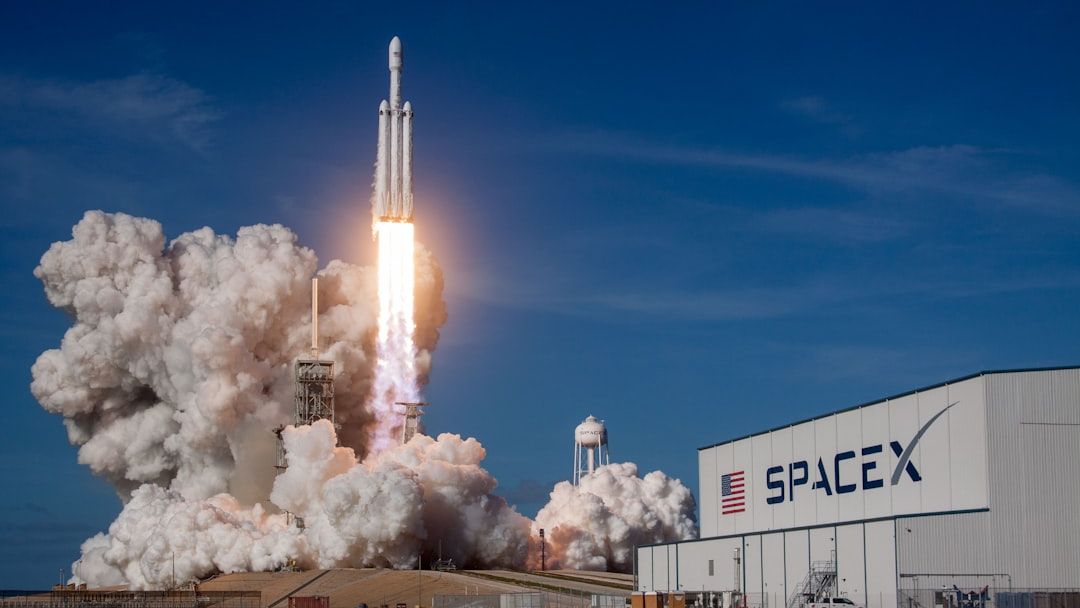
SpaceX just fired up its 33-engine Starship ‘V3’ Super Heavy rocket booster. When could it fly? (video) – Image for illustrative purposes only (Image credits: Unsplash)
SpaceX has completed a full-duration static fire of its Super Heavy booster, lighting all 33 engines at once on the launch pad in Texas. The test delivered a clear signal that the company is moving steadily toward its next integrated flight attempt with the Starship vehicle. For teams working on reusable heavy-lift rockets, each successful ground run reduces uncertainty and brings operational flights one step closer.
The Test That Showed Full Power
Engineers ran the booster through a complete ignition sequence that lasted long enough to confirm stable performance across the entire engine array. Every Raptor engine contributed thrust without interruption, a result that validates months of hardware upgrades and software tuning. The event took place directly on the orbital launch mount, allowing teams to gather data under conditions that closely match an actual liftoff.
Ground crews monitored temperatures, pressures, and vibration levels in real time. No anomalies were reported that would require major rework before the next phase of testing. This outcome stands in contrast to earlier development flights where partial engine counts or shorter burns were the norm.
Why This Matters for Future Missions
Starship is designed to carry large payloads and crews on journeys that current rockets cannot support. A reliable Super Heavy booster is the foundation for that capability, and the recent firing proved the vehicle can handle the extreme forces of a full launch profile on the ground. Progress here directly affects timelines for cargo deliveries to orbit and, eventually, crewed trips farther out.
Each completed test also builds operational experience for the launch teams who must coordinate dozens of systems in sequence. The data collected will feed into flight software updates that aim to improve throttle response and engine-out tolerance during ascent.
What Comes Next
With the static fire behind them, SpaceX engineers will review telemetry and prepare the booster for stacking with an upper stage. The next major milestones include:
- Additional ground checks to confirm structural integrity after the hot fire.
- Integration of the Starship upper stage for a combined vehicle test.
- Regulatory review and approval for the upcoming flight window.
- Potential wet dress rehearsal to verify propellant loading procedures.
These steps must align before the booster can lift off again. Delays at any point could shift the schedule by weeks, while smooth execution could accelerate plans for repeated test flights this year.
Looking Ahead
The recent engine test reinforces that Starship development is entering a more routine phase of validation. Each successful burn narrows the gap between prototype hardware and a vehicle that can be flown repeatedly. For the broader space industry, consistent progress on this scale keeps the promise of affordable heavy-lift capability within reach.