

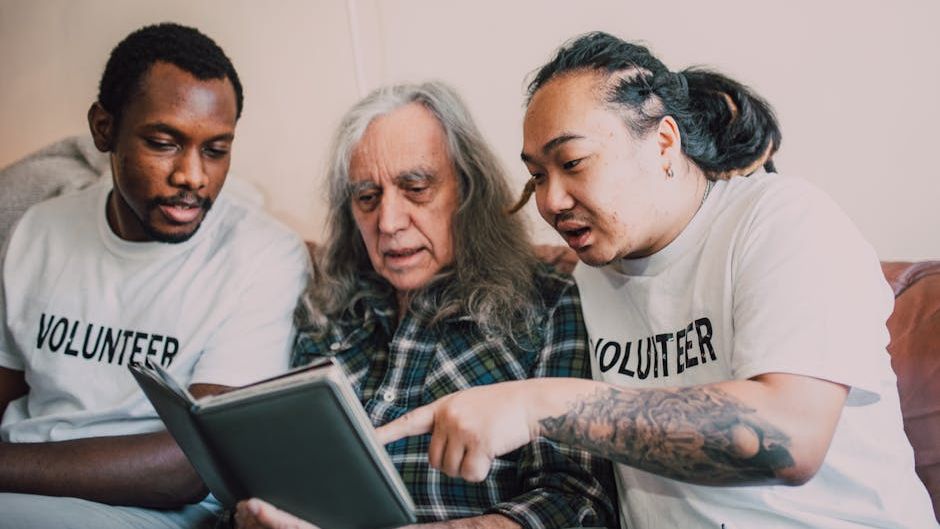
Local Charities Helping Seniors in Hawaii – Image for illustrative purposes only (Image credits: Pexels)
Hawaii – Updated guides released in early May 2026 outline how local charities, food banks, and volunteer networks continue to address daily needs for older adults statewide. These groups focus on food access, short-term housing aid, transportation, and legal services rather than government benefits. Demand remains high, yet many programs operate with limited funding and volunteer capacity, which can affect response times and availability.
Food Banks Serve as the Most Accessible Starting Point
Food assistance often reaches seniors faster than other forms of help because pantries and meal programs maintain regular distribution schedules. Island-specific food banks coordinate with hundreds of partner sites to deliver groceries or prepared meals, though hours and stock can shift due to weather, holidays, or supply constraints. Seniors typically need only a ZIP code and basic identification to locate the nearest option. The Hawaiʻi Foodbank covers Oʻahu and Kauaʻi with a senior food box program for eligible adults, while the Maui Food Bank handles distributions across Maui County and notes that storm or fire impacts may trigger extra aid. On Hawaiʻi Island, the Food Basket operates a dedicated Kupuna Pantry that requires proof of residency and age for monthly boxes. Additional groups such as The Pantry on Oʻahu and Nourish Kauaʻi offer pickup groceries or meal kits when cooking support is available. A simple table clarifies the main options by island:
| Island | Primary Food Provider | Key Features |
|---|---|---|
| Oʻahu | Hawaiʻi Foodbank, The Pantry, Lanakila Meals | Pantry pickup, senior meal delivery, online ordering |
| Kauaʻi | Hawaiʻi Foodbank Kauaʻi, Nourish Kauaʻi | Meal kits and pantry access with age and income checks |
| Maui County | Maui Food Bank | Distribution sites and disaster-related referrals |
| Hawaiʻi Island | The Food Basket | Kupuna Pantry requiring residency proof |
Callers should confirm current hours directly, as routes and eligibility can change.
Rent, Utility, and Basic Needs Aid Remains Short-Term
Charities that address housing costs usually provide one-time or limited payments to prevent eviction or utility shutoffs. Catholic Charities Hawaiʻi maintains island-specific phone lines and lists rental, mortgage, and utility programs that vary by available funds. Helping Hands Hawaiʻi operates a clearinghouse for emergency financial help, clothing, and household items when applicants can document a clear crisis and a path to stability afterward. The Salvation Army’s Oʻahu center supplies food bags, hygiene kits, and case management alongside rent assistance. These services require proof such as eviction notices or shutoff letters, and funds often run out before the end of a funding cycle. Applicants benefit from applying early and keeping records of all communications.
Transportation and Companionship Programs Rely on Volunteers
Nonprofit rides and friendly visits help seniors remain independent, yet most require advance scheduling and depend on available drivers. Catholic Charities offers door-to-door transportation for Oʻahu residents age 60 and older, with priority given to medical appointments. Project Dana and Our Kūpuna connect homebound adults with volunteers for grocery runs, medication pickup, and social contact, though service levels differ by island and current volunteer numbers. Adult day programs and caregiver respite options, including those from Hale Hauʻoli Hawaiʻi, provide structured breaks for family members. These supports emphasize keeping older adults at home but cannot guarantee immediate placement or daily coverage.
Legal Services and Specialized Clinics Fill Critical Gaps
Elder law programs protect income, housing, and benefits through civil assistance rather than criminal matters. The Legal Aid Society of Hawaiʻi handles advance planning, debt, and housing issues for adults 60 and older, while Volunteer Legal Services Hawaiʻi offers clinics and referrals after an online screening. Community clinics such as Kōkua Kalihi Valley add medical, dental, and mental health support tailored to specific neighborhoods. Hospital systems including Hawaii Pacific Health and Queen’s Health System maintain financial assistance applications for eligible patients facing large bills. Availability of interpreters and culturally specific programs, such as ALU LIKE for Native Hawaiian seniors, varies and should be confirmed at the first contact.
Key contacts to begin with include Aloha United Way 211 for referrals, island food banks for immediate food needs, and Legal Aid for civil matters. Programs may close temporarily or require waitlists, so repeated calls and documentation help track progress.
Seniors and caregivers who prepare identification, income statements, and any notices in advance often move through intake more smoothly. When one organization cannot assist, staff frequently suggest two alternatives, keeping the process moving forward.