

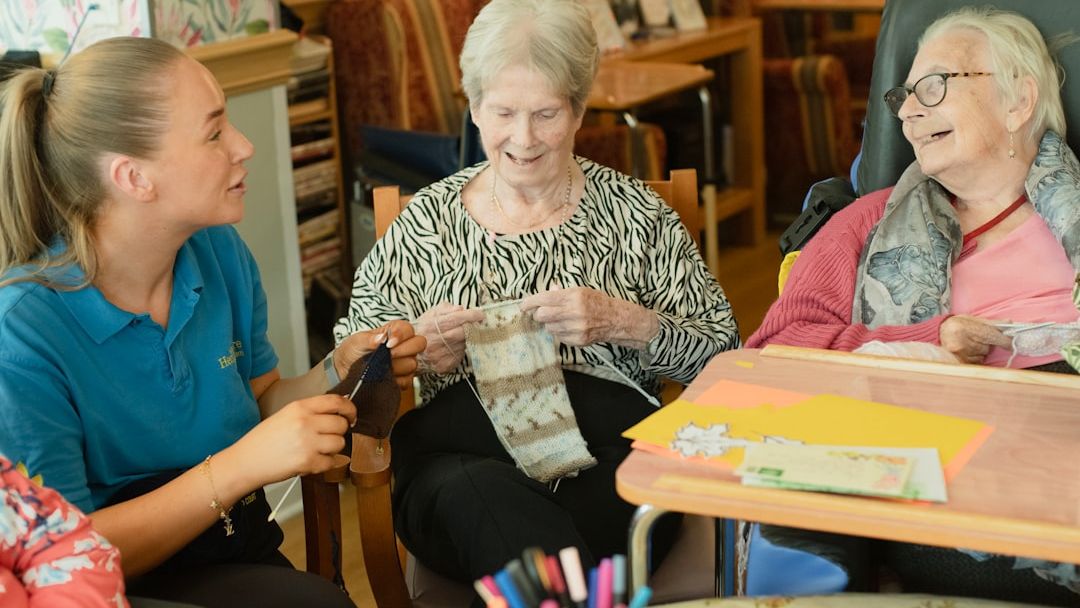
Local Charities Helping Seniors in New York – Image for illustrative purposes only (Image credits: Unsplash)
New York seniors often face immediate challenges that public programs cannot address right away. Local charities and community groups step in with targeted support for food, transportation, home safety, and caregiver relief. These organizations operate across the state, from dense city neighborhoods to rural counties, and they focus on practical, short-term assistance rather than long-term benefits. Many serve residents regardless of faith or background, though availability depends on current funding and local capacity.
Starting Points for Urgent Needs
Residents facing eviction threats, utility shutoffs, or empty pantries should begin with 211 New York for referrals in multiple languages. This service connects callers to nearby food pantries, housing aid, and mental health resources without replacing direct charity outreach. For medical emergencies or safety risks, 911 remains the first call, while non-crisis situations benefit from early contact with neighborhood groups. Seniors in New York City can reach Food Bank For New York City or City Harvest for grocery lists and meal sites. Outside the city, Feeding New York State directs people to county-specific pantries and mobile distributions. Calling ahead confirms hours, required documents, and delivery options for those unable to travel.
Support for Food, Housing, and Repairs
Food banks and pantries form the backbone of daily assistance, with many offering home delivery for older adults who qualify. Groups such as Citymeals on Wheels in the five boroughs and Island Harvest on Long Island prioritize seniors with limited mobility. Funding limits mean supplies vary week to week, so repeated calls or referrals to multiple sites often prove necessary. Rent and utility help usually arrives as short-term pledges or case management rather than full payments. Catholic Charities agencies and Met Council screen for crisis funds in New York City, while similar settlement houses operate in other regions. Small home repairs, including grab bars and lock changes, come from organizations like NYFSC and Rebuilding Together Long Island when income guidelines are met. Larger projects such as roofs or full ramps typically require separate public programs.
Transportation, Caregiving, and Legal Aid
Volunteer ride programs fill critical gaps for medical appointments and errands, though most require advance notice and focus on door-to-door service. Project CART in New York City and Hearts & Hands in Western New York illustrate how local volunteers extend access where public transit falls short. Caregivers gain respite through JASA and Sunnyside Community Services, which also connect families to support groups and adult day programs. Legal screening for eviction notices, benefits denials, or elder abuse starts with LawHelpNY and groups like NYLAG. These nonprofits provide advice and sometimes representation, yet they cannot accept every case once deadlines pass. Community health centers add low-cost medical and dental care with sliding fees for those who qualify.
Specialized Groups and Realistic Expectations
Certain populations find tailored services through SAGE for LGBTQ+ elders, RAICES for Spanish-speaking seniors, and Native American councils for tribal members. Rural residents rely more heavily on churches, fire halls, and volunteer networks listed through county 211 lines. These options expand reach but still depend on volunteer availability and local resources. Charities generally handle immediate, limited needs while directing people toward public benefits for ongoing support. The following table outlines common boundaries:
| Charities May Provide | Charities Usually Cannot Provide |
|---|---|
| Food boxes, small utility pledges, minor repairs | Long-term rent coverage or major construction |
| Friendly visits and caregiver respite | Full-time home care or emergency medical treatment |
| Legal screening and referrals | Representation in every case or after missed deadlines |
Seniors who receive a “no” should ask for the next referral before ending the call. Keeping identification, benefit letters, and notices ready speeds intake at every step. Programs and funding shift over time, so confirming details directly with each group remains essential for accurate planning.