

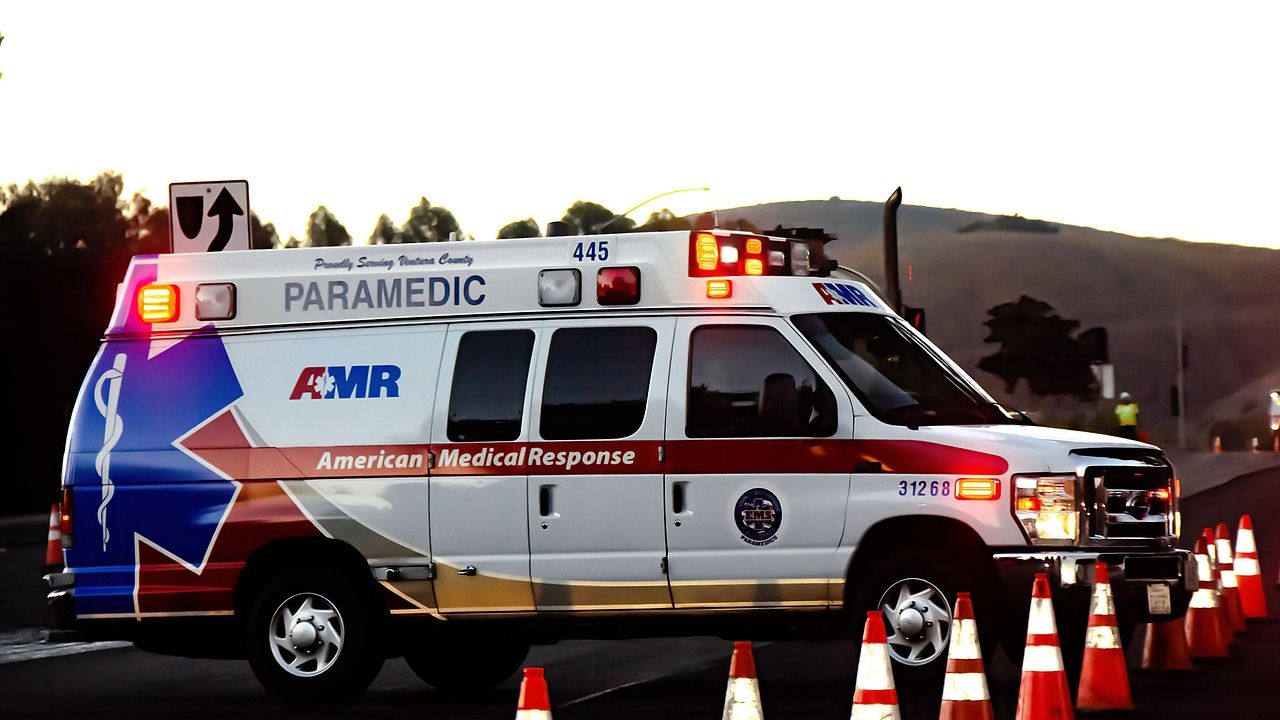
Older Medical Alert Systems May Stop Working Sooner Than Expected – Image for illustrative purposes only (Image credits: Pixabay)
Millions of older adults continue to depend on medical alert systems to maintain independence at home, pressing a button to summon help after a fall or sudden health crisis. Yet many of these devices were designed for cellular networks that no longer operate as they once did. As providers have moved on to faster technologies, some systems now face compatibility gaps that can leave users without a working link to emergency services. The issue has grown more pressing as families review safety setups in light of ongoing infrastructure changes.
The Move Away From Older Cellular Standards
Early medical alert devices often relied on 3G networks to transmit calls without a traditional landline. Major carriers began retiring those networks years ago to free capacity for newer services. Devices built exclusively for the older standard can lose the ability to reach monitoring centers even if they still power on. This transition affects a notable share of equipment still in use among seniors who have not yet upgraded.
Providers have worked to notify customers and replace affected units, though some households may have missed the communications or delayed action. The result is a gradual erosion of reliability for systems that once functioned without issue.
Appearance of Operation Does Not Guarantee a Connection
A device that lights up or beeps can create a misleading impression of readiness. In practice, network incompatibility prevents the alert from reaching responders even when the unit seems active. This gap becomes especially concerning during time-sensitive events such as strokes or falls, when seconds matter. Health organizations have noted that the false sense of security can delay critical intervention.
Testing beyond basic power checks is therefore essential. Families who assume visible indicators confirm full function may overlook the deeper compatibility problem.
Signal Strength and Carrier Differences in Newer Models
Current systems typically operate on 4G LTE networks, which require adequate cellular coverage to function. Rural or mountainous areas often experience weaker signals, reducing the chance of a successful connection. Different providers support different carriers, so the choice of network can determine whether a device performs reliably in a given location.
Landline-based alternatives avoid cellular issues but introduce their own vulnerabilities. Storms, power outages, and the gradual retirement of traditional phone lines can interrupt service. Neither approach is entirely without risk, which is why experts advise evaluating both options against a household’s specific circumstances.
Battery Life and Emerging Capabilities in Updated Equipment
Backup batteries in older units degrade over time, raising the possibility of failure precisely when electricity is unavailable. Wearable components can also lose range or responsiveness as they age. Regular assessment of battery health helps identify when replacement is warranted.
Newer systems add features that older models cannot match, including automatic fall detection, location tracking, and caregiver notifications. These additions can extend protection beyond the home and provide earlier alerts for unusual patterns of inactivity. Upgrading therefore offers more than restored connectivity; it can deliver a broader safety margin.
What matters now: Families should contact their provider to confirm network compatibility and schedule any needed upgrades or battery checks before an emergency occurs.
Proactive verification remains the most direct way to preserve the protective value these systems were intended to provide. As network technology continues to advance, staying current with equipment requirements helps ensure that help remains reachable when it is needed.