

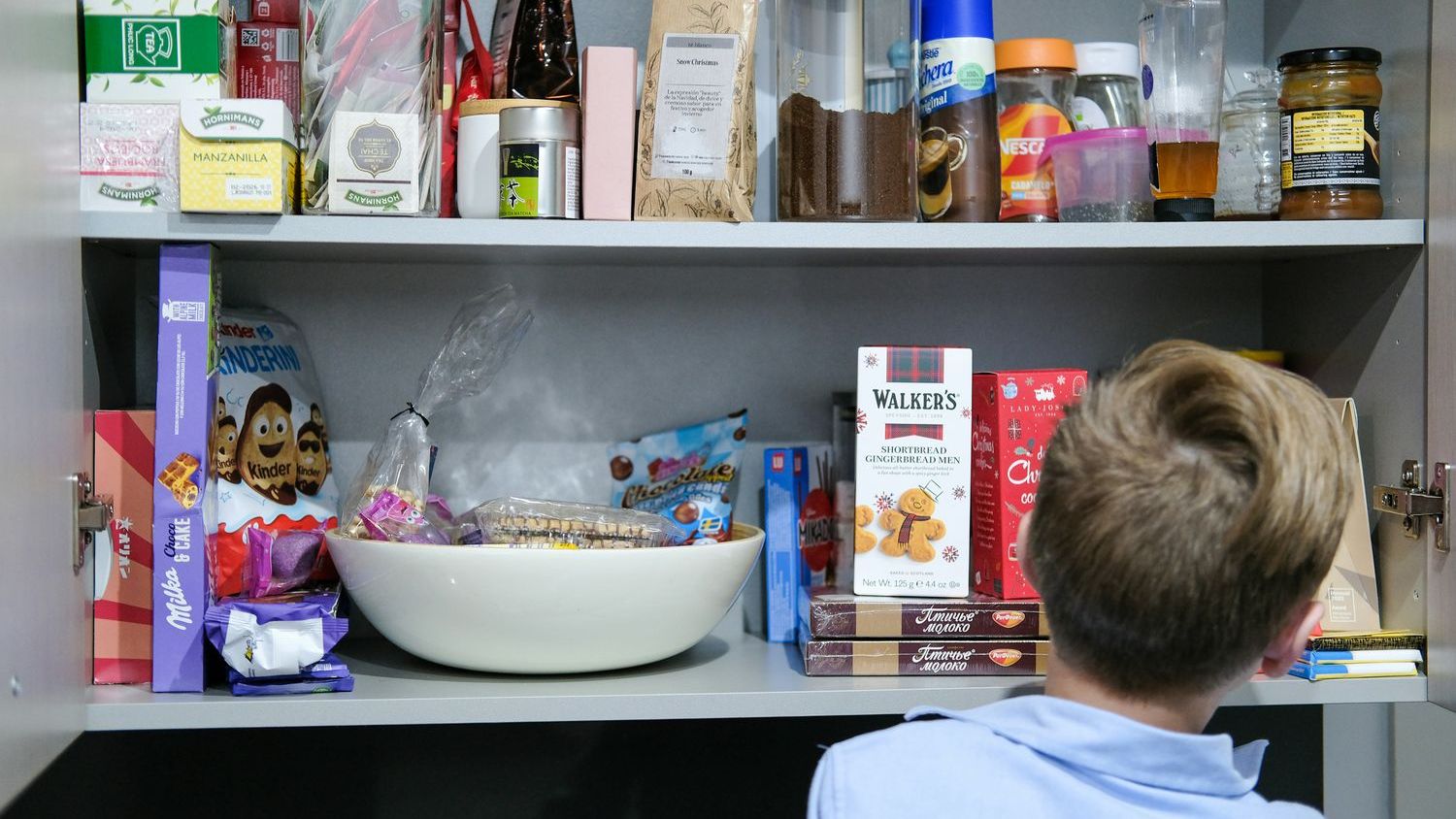
Adults who keep the gas tank above half full, the pantry stocked beyond reason, and a little cash hidden in a drawer often grew up around people who knew what it felt like to run out – Image for illustrative purposes only (Image credits: Unsplash)
Some adults refill the tank long before the needle reaches the halfway mark. Others keep extra rice and canned goods on hand even when the shelves already look full. A few tuck small amounts of cash in drawers or books, amounts too modest to solve any real financial problem. These patterns often trace back to households where running out once carried real weight. The habits appear ordinary on the surface. Yet they frequently reflect lessons absorbed in childhood about what happens when resources run thin. Children watch how adults respond to low fuel, empty cupboards, or unexpected bills. Those observations can settle into adult routines that feel automatic rather than chosen. The result is a quiet form of preparedness that persists even after circumstances improve. The original pressure may have eased, but the response remains.
Why the habits feel necessary rather than optional
Filling the tank early or buying extra staples serves a clear purpose in daily life. Storms can cut power. Card readers can fail. A longer drive can stretch further than planned. In those moments, having margin reduces immediate stress. The distinction lies in the emotion attached to the action. For some people, the gauge dropping lower triggers a specific unease that goes beyond simple inconvenience. The same holds for an empty shelf or a wallet with nothing physical inside it. The behavior protects against a feeling rather than just a practical shortage. Many describe the practice as common sense or something a parent always did. The body, however, often registers the old atmosphere of the home before the mind supplies an explanation. When running out once meant tension or helplessness, keeping supplies steady becomes a way to keep that atmosphere at bay.
How the gas tank measures more than fuel
A full tank represents options. It means the ability to leave if needed, without calculating distances or waiting for assistance on the roadside. For those who grew up monitoring thin margins, a quarter tank may register as acceptable on paper yet still feel too close to empty. The preference avoids testing whether “probably enough” will hold. It functions as a small safeguard against a situation that once felt exposed or uncertain. The tank itself becomes a private indicator of how much room exists in the day.
The pantry as a record of family experience
Pantries can hold more than food. Large bags of rice, multiple jars of sauce, and cans replaced before they run out often reflect earlier periods when supplies were uncertain. A parent losing work, a medical bill arriving, or simply hearing “not this week” in childhood can shape how shelves are kept. Even with stable income and easy access to stores today, an empty cupboard can still register as louder than logic suggests. Buying another bag or box restores a sense of ground underfoot. The stocked shelves serve as a silent promise that the current home will not repeat the earlier one.
Cash that stays visible and reachable
Small amounts of cash hidden away carry a different weight from money in an account. The notes remain physical and immediate. They do not require an app, a password, or a working phone. For people whose families once feared being stuck without resources, the cash offers a tangible backup that feels independent of systems. The amount is rarely large enough to alter finances. Its value lies in reducing the chance of helplessness. It leaves a small door open in case something unexpected arises.
When the old rules begin to limit rather than protect
Most of these practices remain useful in moderation. A modest reserve of food or fuel creates sensible buffer. The shift occurs when the habit starts directing daily choices more than the person does. A pantry that expands into every available space or a reluctance to enjoy travel because of the fuel gauge can turn preparation into constraint. Recognizing the original story behind the habit often softens its grip. Simple statements such as “My parents faced tight periods, so I keep extra food” or “My grandfather kept cash after earlier experiences” attach context to the action. Once the rule has words attached, it becomes easier to decide whether it still fits present circumstances. The habits themselves carry dignity. They show respect for how quickly comfort can change. Updating them does not require emptying shelves or driving on fumes. It requires noticing the story underneath so the next generation can learn preparedness without inheriting the silence that once surrounded it.