
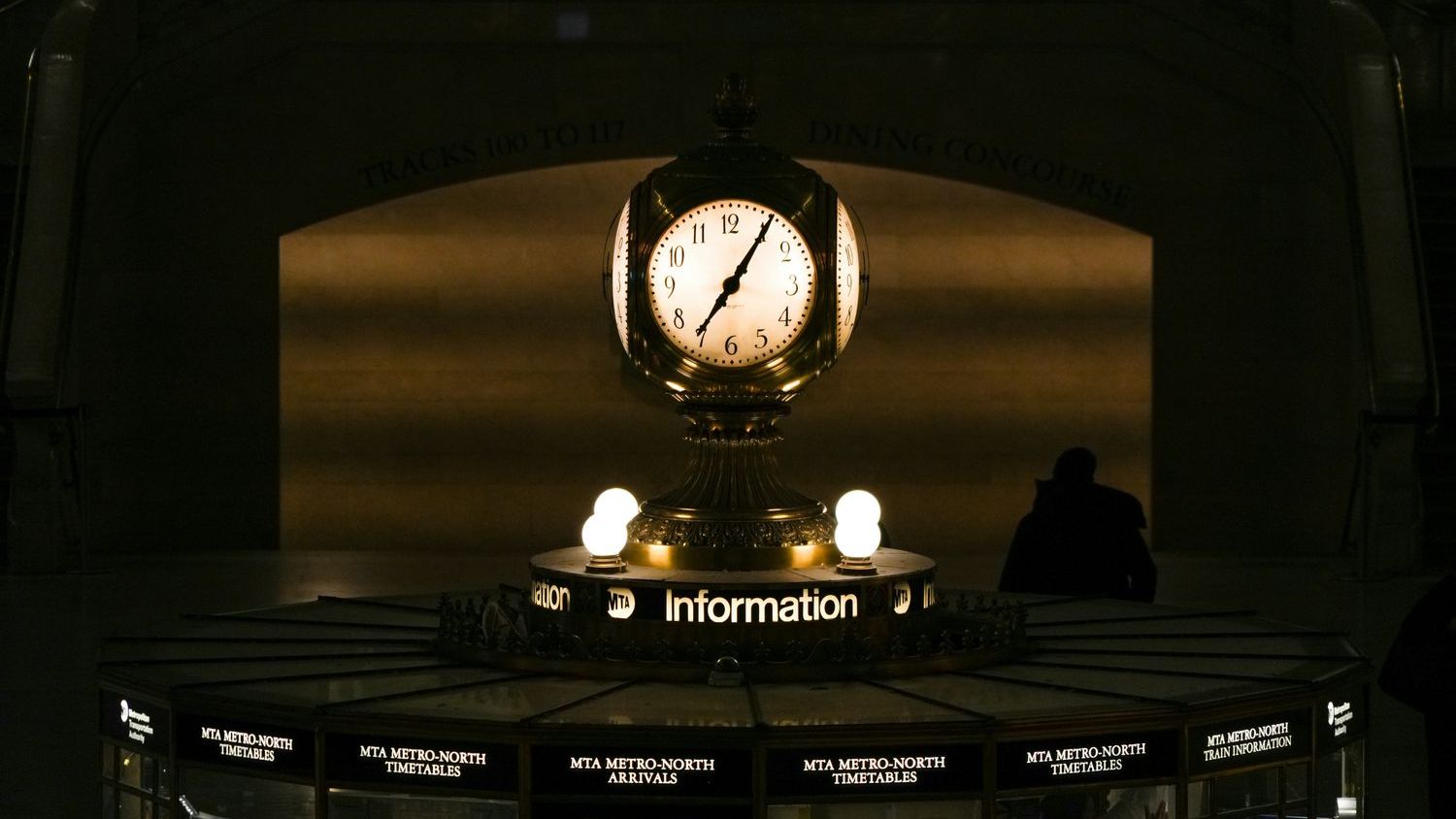
‘The odds are not in our favour’: who sets the Doomsday Clock – and what can they tell us about the future of humanity? – Image for illustrative purposes only (Image credits: Unsplash)
The Doomsday Clock now stands at 85 seconds to midnight, the closest it has ever been to signaling global catastrophe. Multiple overlapping crises have driven this assessment, including ongoing conflicts in Ukraine and the Middle East, rapid advances in artificial intelligence, and accelerating climate disruption. The Bulletin of the Atomic Scientists, the independent group responsible for the annual update, released the new setting in January after reviewing the full range of existential risks.
Who Maintains the Clock
The Bulletin of the Atomic Scientists was founded in 1945 by researchers who worked on the Manhattan Project. Its mission centers on informing the public about threats from nuclear weapons and other technologies that could end civilization. A board of scientists and policy experts meets each year to evaluate developments and decide whether to move the clock hands.
Alexandra Bell, the organization’s chief executive, described the current moment as the result of a gradual slide into greater danger. She noted that scientific progress now outpaces society’s ability to manage it, while political leadership in major nations has failed to address interconnected threats. The clock itself serves as a symbolic warning rather than a precise prediction.
Why Risks Have Intensified
Armed conflict in Ukraine continues to raise the possibility of nuclear escalation, as both sides maintain large arsenals and tensions show no sign of easing. In the Middle East, direct exchanges between Israel and Iran have added another layer of instability that could draw in additional nuclear-armed states. These regional flashpoints no longer exist in isolation.
Artificial intelligence systems are being integrated into military planning and early-warning networks, introducing new uncertainties about how decisions would be made under pressure. At the same time, climate change is already straining resources and displacing populations, which in turn heightens the chance of future conflicts. The Bulletin’s analysis treats these factors as mutually reinforcing rather than separate problems.
The odds are not in our favour. What we have seen is a slow almost sleepwalk into increasing dangers over the last decade. And we see these problems growing. We see science advancing at a rate that defies our ability to understand it, much less control it.
Paths That Could Reduce the Danger
Reversing the clock’s position would require coordinated action on several fronts at once. Renewed arms-control agreements between the United States and Russia remain essential, as would diplomatic efforts to contain the Iran-Israel confrontation. Governments could also impose stricter oversight on AI applications in defense systems.
Stronger international cooperation on emissions reductions would ease resource pressures that feed instability. Public pressure on elected leaders to prioritize these issues has historically influenced policy, though sustained attention has proved difficult to maintain. The Bulletin continues to publish detailed reports that outline specific steps capable of moving the clock back.