

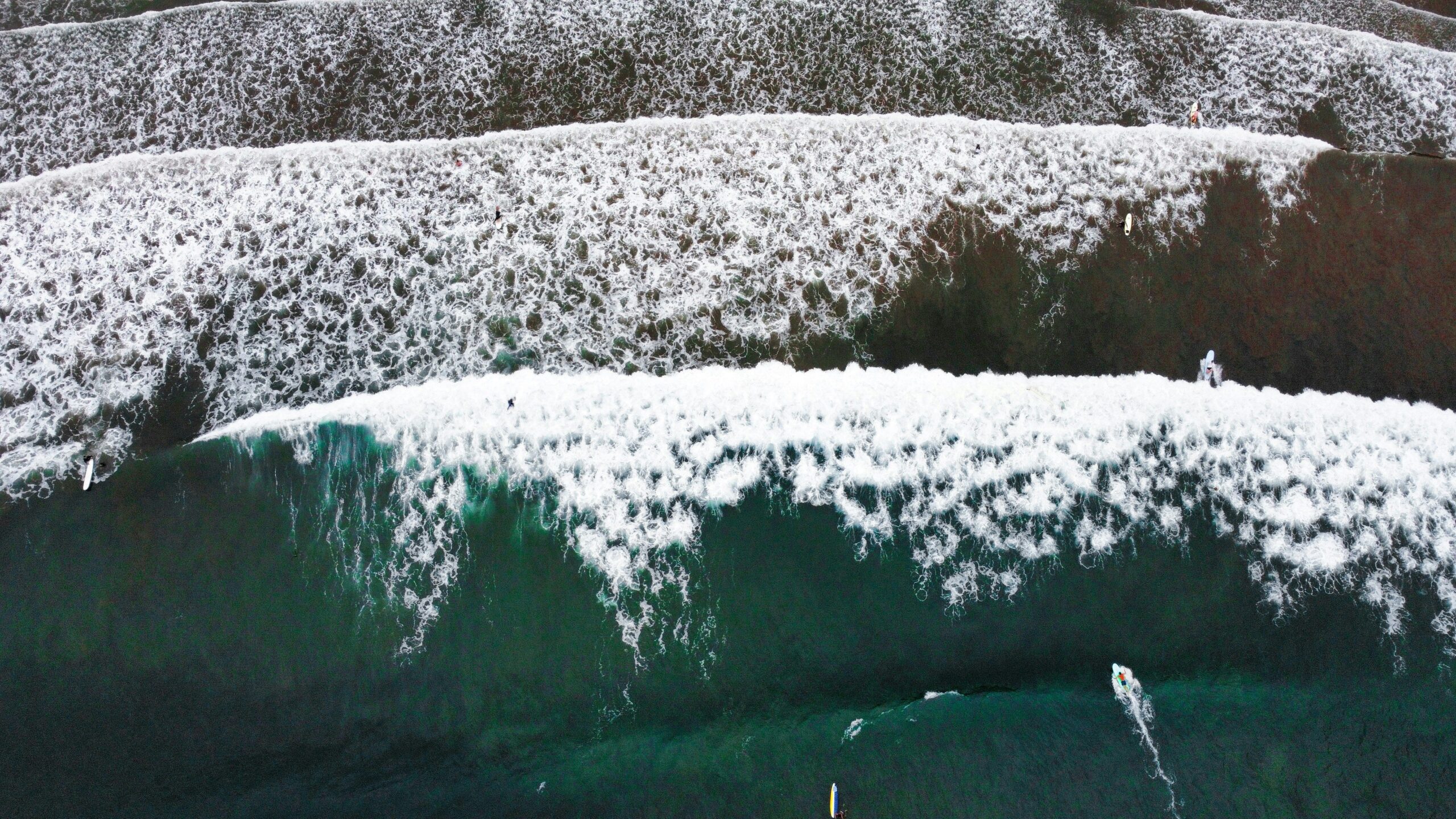
Huge landslide created a 500-meter-high tsunami in a major tourist area – Image for illustrative purposes only (Image credits: Unsplash)
Tracy Arm, Alaska – A sudden detachment of rock from a mountainside above the South Sawyer Glacier sent a wall of water surging through the narrow fjord on the morning of August 10, 2025. The event produced a runup height of 481 meters, placing it among the tallest tsunamis ever documented on Earth. Because the wave struck at 5:26 a.m. local time, when few vessels were present, the incident caused no reported injuries or deaths despite its extreme scale.
The Sudden Detachment and Initial Impact
A wedge of rock measuring at least 63.5 million cubic meters broke loose from the steep slopes overlooking the fjord. The material plunged directly into the deep water at the glacier’s terminus, displacing an enormous volume of water in an instant. This displacement generated an initial breaking wave that reached 100 meters in height and raced across the fjord at speeds greater than 70 meters per second. The confined geometry of the fjord amplified the wave’s energy. When the surge reached the opposite shoreline, it climbed the steep rock faces to its maximum recorded elevation. Researchers later reconstructed the sequence using field measurements and modeling, confirming the precise timing and dimensions of the event.
Why Landslide Tsunamis Differ From Earthquake Waves
Earthquake-generated tsunamis typically produce runup heights measured in tens of meters when they reach land. In contrast, landslide-driven waves in narrow waterways can achieve far greater local heights because the entire water column is displaced at once. The sudden addition of millions of tons of rock creates a vertical impulse that earthquake shaking rarely matches in confined basins. Since 1925, scientists have recorded 27 landslide tsunamis worldwide with runups exceeding 50 meters. The Tracy Arm event ranks second on that list. The highest remains the 1958 Lituya Bay tsunami in Alaska, which reached 530 meters after a similar rockfall into a fjord.
Comparison of Notable Events
| Event | Runup Height | Year | Primary Cause |
|---|---|---|---|
| Lituya Bay, Alaska | 530 meters | 1958 | Rockfall into fjord |
| Tracy Arm, Alaska | 481 meters | 2025 | Glacier-adjacent landslide |
| Other documented cases (25 total) | 50–300 meters | 1925–present | Various landslides |
Implications for Glacier-Adjacent Regions
The Tracy Arm tsunami occurred in a popular destination visited by cruise ships and tour boats during summer months. Its early-morning timing proved decisive in avoiding casualties. Aram Fathian, a researcher at the University of Calgary and co-author of the study published in Science, noted the narrow escape: “It was the second highest tsunami ever recorded on Earth. But until now, almost nobody heard about it because it was a near-miss event.” Continued glacier retreat increases the likelihood of similar slope failures in other fjords. Steep terrain once stabilized by ice becomes vulnerable once the ice thins or disappears. Monitoring programs now focus on identifying unstable slopes near active glaciers to provide earlier warnings for vessels and coastal communities. The Tracy Arm event underscores how localized geological processes can produce outsized hazards in scenic, heavily visited areas. While the wave remained contained within the fjord, its documented height serves as a benchmark for assessing future risks in comparable settings around the world.