

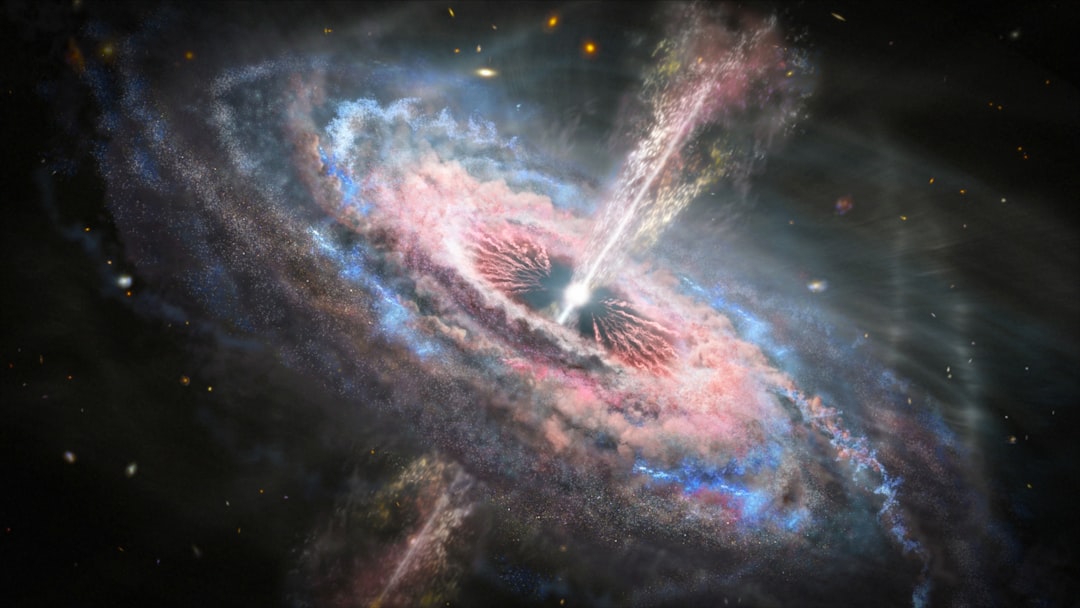
James Webb telescope zooms in on a black hole that could reveal the truth about ‘little red dots’ – Image for illustrative purposes only (Image credits: Unsplash)
The James Webb Space Telescope has shifted its focus to a strange object known as an X-ray dot. Researchers believe this target could clarify the nature of the little red dots first identified by the same observatory. The effort reflects ongoing attempts to interpret unexpected findings from deep-space observations.
Why the X-Ray Dot Matters
Astronomers have long noted unusual signals in data from the telescope. The newly examined X-ray dot stands out because of its distinct properties. Its study may connect directly to the questions raised by the little red dots.
Observations of this kind help narrow down possible explanations. They also highlight how single objects can influence broader interpretations of cosmic phenomena. Continued monitoring will determine whether the link holds.
Current Limits in Understanding
Details about the little red dots remain incomplete. Their exact composition and origin continue to generate discussion among specialists. The X-ray dot adds one more data point but does not yet resolve the full picture.
Scientists emphasize that additional measurements are required. Existing information leaves room for several interpretations. This measured approach avoids premature conclusions.
What Matters Now
Further analysis of the X-ray dot is expected in coming months. Teams will compare its characteristics with those of the little red dots. Any confirmed connection would refine models of early cosmic structures.
The process underscores the value of targeted follow-up observations. It also shows how new instruments can reopen questions thought settled by earlier data.
The X-ray dot represents a focused step toward greater clarity. Its results will guide the next phase of investigation.