

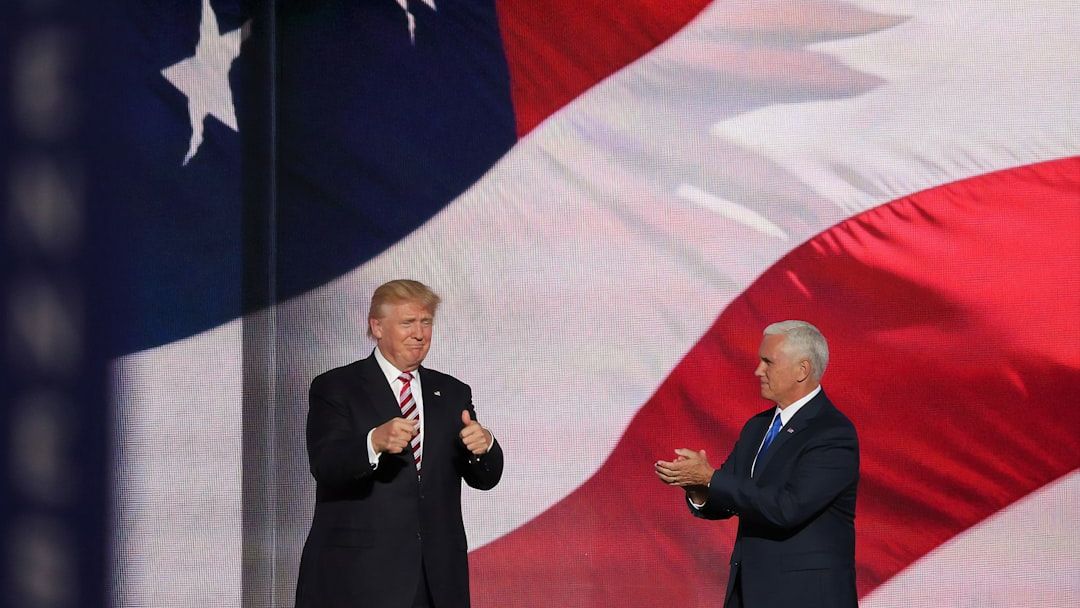
The Stakes of Trump vs. Xi – Image for illustrative purposes only (Image credits: Unsplash)
Leaders in Washington and Beijing have spent years maneuvering through a deepening contest for influence. A direct meeting between President Trump and President Xi Jinping now stands as one of the few remaining channels for direct communication. The outcome could either ease friction in critical areas or lock both sides into sharper confrontation.
Decades of Shifting Power
The United States and China have moved from cautious engagement to open strategic competition. Early cooperation on trade and investment gave way to disputes over market access, intellectual property, and supply chains. Military presence in the Pacific has also grown more visible on both sides. Each administration has adjusted policies in response to the other. Tariffs, export controls, and diplomatic pressure have become standard tools. Yet neither country has severed economic ties entirely, leaving room for targeted talks.
Issues Likely to Dominate Discussions
Several flashpoints stand out as immediate priorities. Trade imbalances and technology restrictions top the list for American negotiators. Chinese officials, in turn, seek relief from sanctions and clearer rules on investment screening. Security concerns in the Taiwan Strait and South China Sea add another layer of urgency. Both sides have increased patrols and exercises in recent years. A summit could produce modest confidence-building measures or simply highlight the gaps that remain. – Trade and technology controls
– Military activities in the Indo-Pacific
– Climate and energy cooperation
– Rules for emerging technologies such as artificial intelligence
Paths the Meeting Could Take
One scenario involves limited agreements on specific sectors, such as agricultural purchases or joint research guidelines. These steps would not resolve core differences but could reduce immediate economic damage. Another possibility is a broader framework that sets guardrails for future competition without eliminating it. Failure to reach even modest understandings would likely accelerate existing trends. Both governments have already prepared contingency plans for further decoupling in sensitive industries. The absence of progress at the summit would simply confirm those trajectories.
Effects Beyond Bilateral Ties
Allies and partners watch these exchanges closely. European and Asian governments have balanced their own relations with both powers while seeking to avoid being caught in the middle. A clearer U.S.-China understanding could give them more room to maneuver. Continued tension would force harder choices on defense spending and supply-chain decisions. Global institutions and markets also feel the ripple effects. Currency stability, commodity prices, and technology standards often shift with any sign of movement between the two largest economies. The summit therefore carries weight far beyond the two capitals involved.