

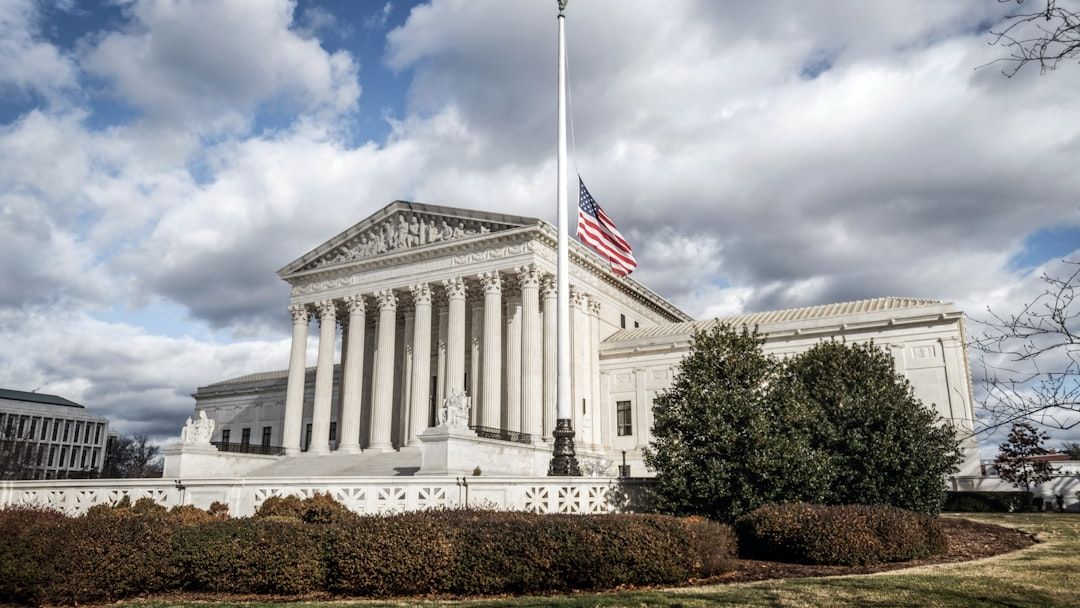
Louisiana v. Callais and the Long Run – Image for illustrative purposes only (Image credits: Unsplash)
The Supreme Court is preparing to decide Louisiana v. Callais, a dispute that carries weight far beyond the immediate parties involved. Legal analysts note that the outcome may influence how power is allocated between states and the federal government for decades. If Republicans handle the matter with care, the ruling stands a realistic chance of becoming one of those rare decisions that realigns the country with its original constitutional framework.
Core Issues at Stake
The case centers on questions of districting and representation that have grown contentious in recent years. Courts have wrestled with similar matters before, yet this particular dispute arrives at a moment when broader debates about federal authority remain unresolved. A clear decision could clarify limits that have blurred over time. Observers point out that the arguments presented touch on fundamental principles of self-government. The justices will weigh competing claims about how states may organize their electoral systems. Whatever the court concludes, the precedent will likely shape future litigation across multiple states.
Potential Long-Term Effects
A decision that emphasizes original constitutional boundaries might reduce the reach of certain federal mandates. States could regain greater flexibility in managing their internal affairs without constant judicial oversight. This shift would not happen overnight, but its cumulative impact could prove substantial. Republicans who favor a narrower view of federal power see an opening here. They argue that past expansions of authority have moved the system away from the founders’ design. A favorable ruling would give them a concrete tool to push back against those trends in lower courts and legislatures.
Strategic Considerations Ahead
Timing matters in high-stakes litigation. The parties and their allies are already preparing arguments that frame the case in terms of enduring legal traditions rather than short-term political gains. How those arguments land with the justices will determine whether the decision stays narrow or reaches further. Lawmakers in both parties are watching closely. Some anticipate that a strong opinion could prompt new legislation at the state level. Others expect renewed challenges to existing practices once the court speaks. Either path would keep the issues alive well into the next decade.