

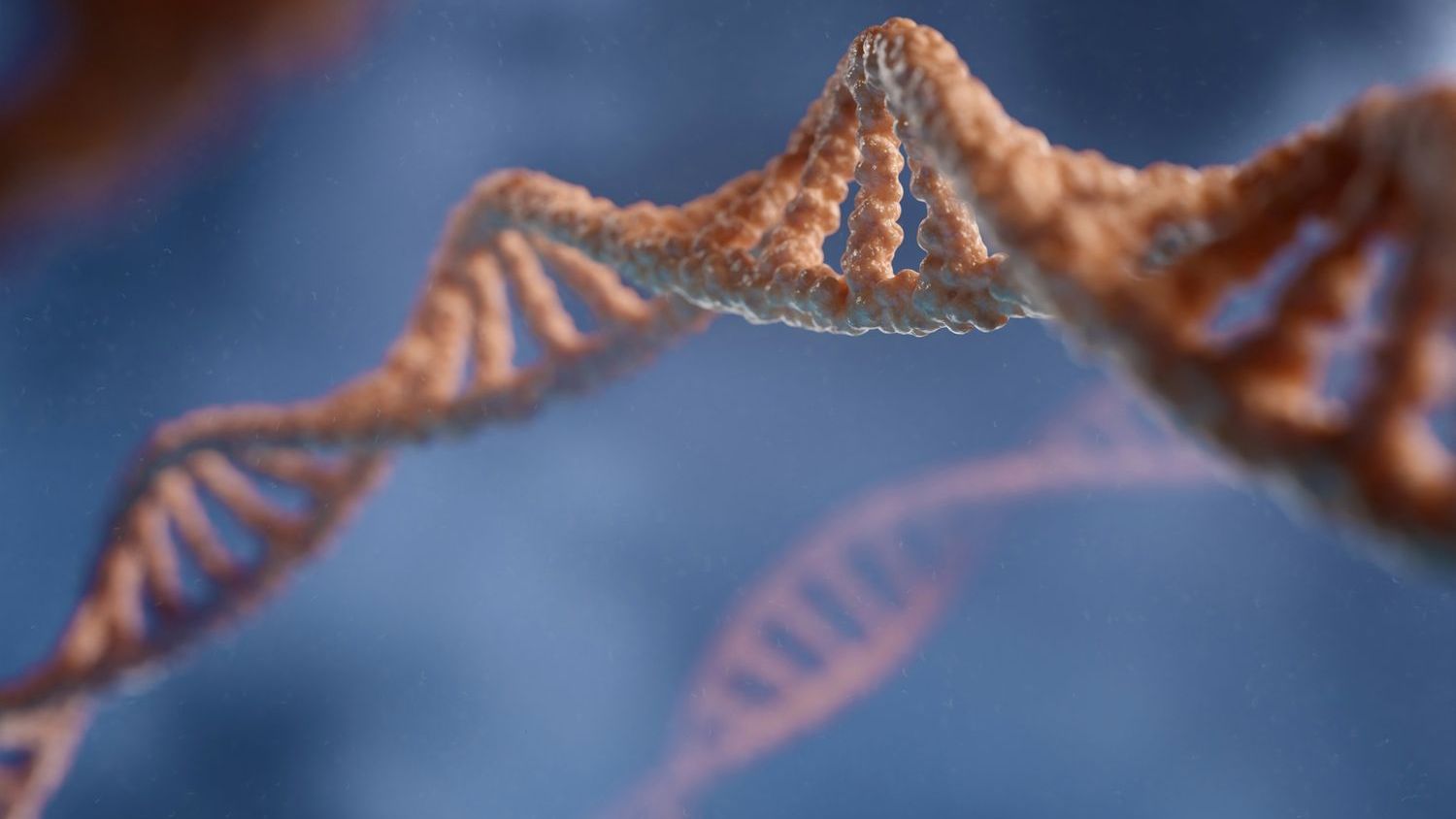
7 New Aging-Cell Findings Scientists Say Could Change How We Think About “Biological Age” – Image for illustrative purposes only (Image credits: Unsplash)
For years, the passage of time was tracked simply by the date on a birth certificate. New research into aging cells now shows that two people born the same year can follow very different paths at the molecular level. Scientists are identifying specific cellular processes that help explain why some adults remain active and independent well into their later decades while others face earlier health challenges. These findings shift attention from calendar years to measurable changes inside the body.
The Expanding List of Aging Drivers
Early models of aging centered on a set of nine core processes identified more than a decade ago. Researchers have since added several additional factors that appear to work together across multiple body systems. Chronic low-level inflammation, shifts in the extracellular matrix that supports tissues, changes in the gut microbiome, and even prolonged social isolation now rank among the influences that can accelerate cellular decline.
This broader framework indicates that aging does not stem from one isolated event. Instead, it involves simultaneous adjustments in many interconnected systems. The updated view helps explain why interventions aimed at a single pathway often produce limited results in older adults.
Senescent Cells and Mitochondrial Shortfalls
Cells that stop dividing yet remain active, sometimes called senescent or “zombie” cells, continue to release inflammatory signals. These signals can harm nearby healthy tissue and have been linked to conditions such as arthritis, heart disease, frailty, diabetes, and memory problems. Laboratory work in animals has tested compounds designed to clear these cells, with early signs of reduced tissue damage.
At the same time, mitochondria – the structures that supply energy to cells – show increasing signs of wear. When mitochondrial DNA leaks into the surrounding cell environment, it can trigger further inflammation and push more cells into a senescent state. Studies in aged mice suggest that limiting this leakage improves markers of frailty and overall inflammation, pointing to cellular energy production as a central element in how quickly biological age advances.
Refined Tools for Tracking and Altering Cellular Age
Epigenetic clocks measure chemical tags on DNA that accumulate with time and stress. Newer versions combine genetic, metabolic, and inflammatory data to produce more precise estimates of biological age and future disease risk. These tools move beyond simple birthday counts to assess how rapidly an individual’s cells are changing.
Separate experiments have explored partial cellular reprogramming, a technique that resets certain aging markers in human cells without turning them back into stem cells. Early results show improvements in genomic stability and epigenetic patterns. The approach remains strictly experimental and far from clinical use, yet it challenges the long-held idea that cellular aging moves in only one direction.
Inflammation Patterns and Personal Aging Routes
Persistent low-grade inflammation, often termed “inflammaging,” has emerged as a consistent predictor of higher mortality and faster functional decline. Markers such as IL-6 and TNF-alpha appear repeatedly in studies linking chronic inflammation to frailty and chronic illness. Unlike the short bursts of inflammation that follow injury or infection, this ongoing state can quietly erode tissues over many years.
Recent multi-omics analyses have also identified distinct “aging archetypes” shaped by differences in metabolism, genetics, inflammation levels, and microbiome composition. Two individuals of the same chronological age may therefore experience biological aging through separate pathways. This variation supports the possibility of future strategies tailored to each person’s specific cellular profile rather than a single universal approach.
What matters now
- Most discoveries remain in laboratory or early clinical stages.
- Lifestyle factors such as regular movement, quality sleep, balanced nutrition, and stress reduction continue to show the strongest ties to slower cellular aging.
- Biological age testing is not yet routine in medical practice.
These cellular insights add depth to the understanding of why health trajectories differ so widely among people of similar ages. They also reinforce that daily habits remain the most reliable way to influence how cells age, even as research continues to map the underlying mechanisms.