

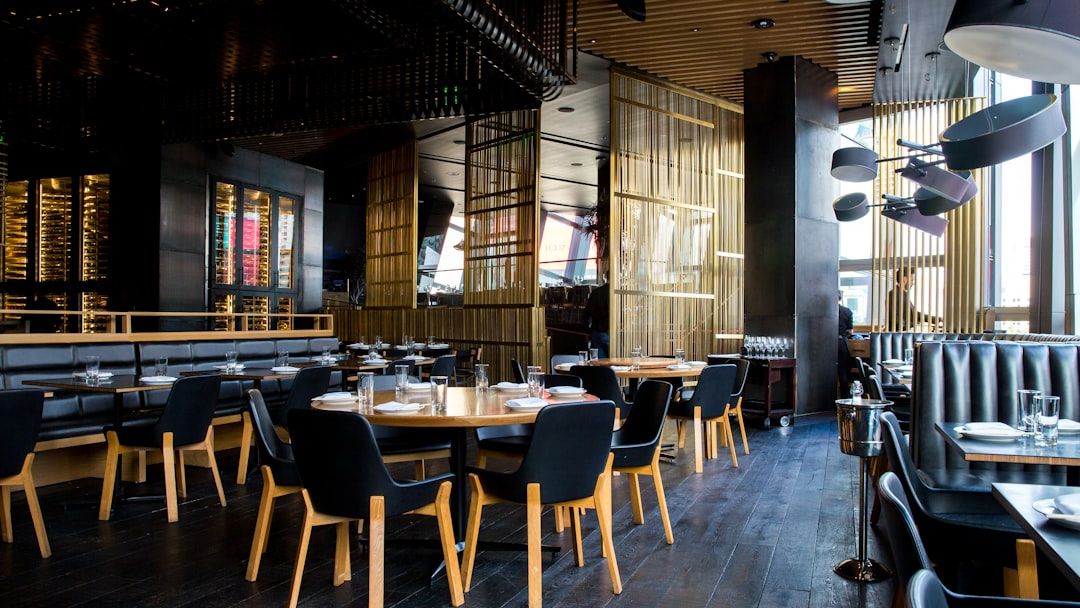
10 Things Boomers Can’t Stand About Modern Restaurants – Image for illustrative purposes only (Image credits: Unsplash)
Dining out once offered baby boomers a straightforward mix of good food, easy conversation, and attentive service. Recent shifts in the restaurant industry have altered that experience for many older adults, who now encounter more technology, louder spaces, and higher costs with fewer comforts. Industry reports indicate that this group increasingly seeks value and personal attention when selecting a place to eat, even as trends push in other directions.
Technology Creates Unexpected Hurdles
Many restaurants have replaced paper menus with QR codes that diners must scan to view options. Older customers often struggle with this step in dim rooms or areas with weak connections, leading some to worry about security when using unfamiliar links. Surveys across age groups continue to show strong preference for physical menus that feel simpler and more inviting.
Self-service kiosks and app-based ordering have spread widely as well. These tools can speed up service in busy spots, yet they reduce the natural exchanges that once defined a meal out. Cashless policies add another layer, since many boomers still rely on physical money for budgeting and feel excluded when businesses refuse it outright.
Atmosphere Takes Priority Over Comfort
Sound levels in many eateries now reach volumes that make normal talk difficult. Research tracking restaurant noise shows frequent readings high enough to strain hearing, especially for those using aids or dealing with age-related changes. The result leaves some diners exhausted rather than relaxed by the end of a meal.
Design choices often favor striking visuals for social media over practical seating. Hard chairs, tight layouts, and dramatic lighting create appealing photos but leave older guests physically uncomfortable. Communal tables, while popular with some crowds, remove the privacy many boomers associate with family meals or quiet evenings.
Portions and Prices Shift the Value Equation
Menu prices have risen steadily due to higher ingredient and labor costs, yet portion sizes have not kept pace in many cases. Boomers who recall larger servings at comparable prices now question whether the expense matches the experience. Trendy dishes with elaborate names sometimes add to the sense that creativity has overtaken straightforward satisfaction.
Frequent menu changes compound the issue. Loyal customers lose favorite items every few months as kitchens chase seasonal trends or online attention. This approach can attract new visitors but erodes the reliability that once built steady patronage among older diners.
Service Loses Its Personal Element
Human interaction remains central to what many boomers remember fondly about eating out. When tablets or automated systems handle ordering and check-ins, the sense of hospitality fades for those who value a server’s explanation of specials or natural follow-up during the meal. Clear, readable descriptions on menus help everyone feel more at ease, yet complex wording persists in some venues.
Restaurants that keep both digital and traditional options available tend to receive stronger feedback from this demographic. The same holds for spaces that maintain comfortable lighting and seating alongside any modern touches.
What matters now: A growing number of diners across generations notice the same gaps in comfort and value. Establishments that blend current tools with classic hospitality stand to draw the broadest audience in the years ahead.
These patterns reflect broader changes in how restaurants operate, yet they also point to lasting preferences for simplicity and connection. Operators who recognize the balance may find stronger loyalty from customers who still view dining out as both nourishment and occasion.