

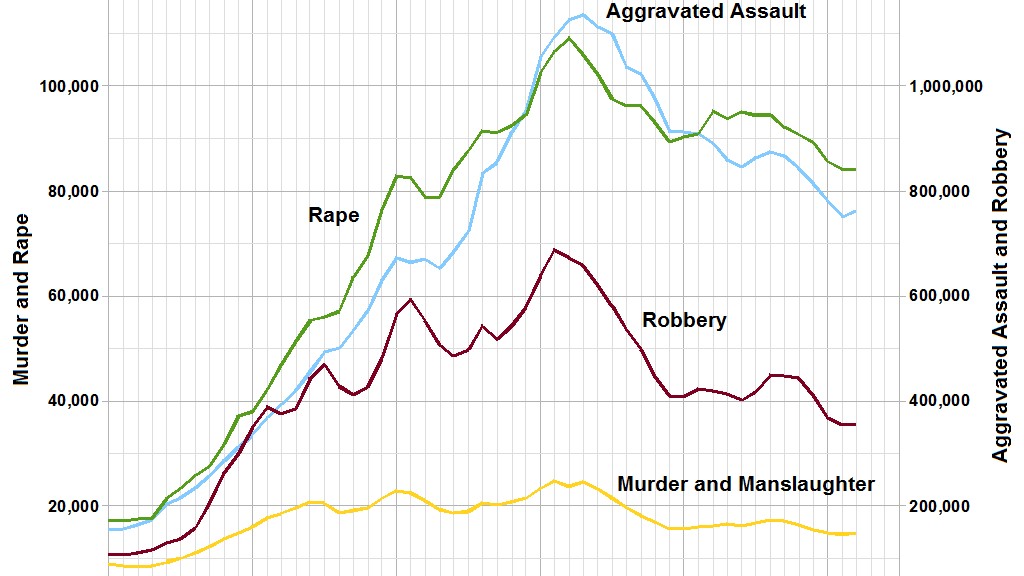
On John Solomon Reports: To Discuss Crime Statistics and Media Manipulation – Image for illustrative purposes only (Image credits: upload.wikimedia.org)
Dr. John Lott joined the John Solomon Reports program to examine how official crime data involving noncitizens is often presented to the public. The discussion focused on patterns in reporting that can obscure the scale of offenses committed by individuals in the country illegally. Such conversations matter because they shape how policymakers and citizens interpret safety trends across communities.
Why Accurate Numbers Matter
Crime statistics serve as the foundation for decisions on enforcement priorities and resource allocation. When those figures are framed selectively, the resulting picture can differ sharply from the raw records. Dr. Lott has long studied these datasets, and his appearance underscored the need for consistent definitions and transparent breakdowns by immigration status.
Public trust in government data erodes when categories are combined or omitted without clear explanation. This approach can leave residents unsure whether certain neighborhoods face elevated risks tied to specific offender groups. Clear presentation allows communities to weigh trade-offs in policy choices more effectively.
Patterns in Legacy Coverage
Legacy outlets sometimes aggregate all noncitizen offenders under broad labels that mix legal and illegal status. This blending can dilute attention to crimes linked specifically to unlawful presence. Dr. Lott noted that such practices make it harder to track repeat offenders who cross borders multiple times before facing serious charges.
Alternative data sources, including state-level records and federal detention logs, often reveal higher involvement rates than national summaries suggest. These discrepancies arise not from fabrication but from choices about which incidents receive emphasis and which receive minimal follow-up. The result is a narrative that downplays certain risks while amplifying others.
Implications for Immigration Policy
Immigration enforcement decisions rest partly on assessments of criminal activity among different populations. When media accounts minimize distinctions by legal status, the public debate shifts away from targeted measures that address repeat offenders. Dr. Lott’s analysis suggests that fuller disclosure of these distinctions could inform more precise legislative responses.
Communities near the border and in sanctuary jurisdictions have reported localized spikes that national averages do not always capture. Understanding these variations requires separating data by citizenship and entry method rather than treating all foreign-born individuals as a single category. Without that separation, the connection between enforcement gaps and public safety remains difficult to quantify.
What matters now: Consistent, disaggregated statistics would allow clearer evaluation of current policies. Policymakers and newsrooms alike face pressure to prioritize transparency over simplified framing.
Looking Ahead
Future releases of federal crime data will test whether reporting standards improve. Researchers like Dr. Lott continue to compile independent analyses that compare multiple sources side by side. These efforts provide an additional check on how official numbers are interpreted in real time.
The conversation on John Solomon Reports reflects a broader push for accountability in how crime trends are communicated. As new datasets become available, the same questions about framing and completeness are likely to recur. Public understanding depends on sustained attention to these details rather than reliance on any single narrative.