

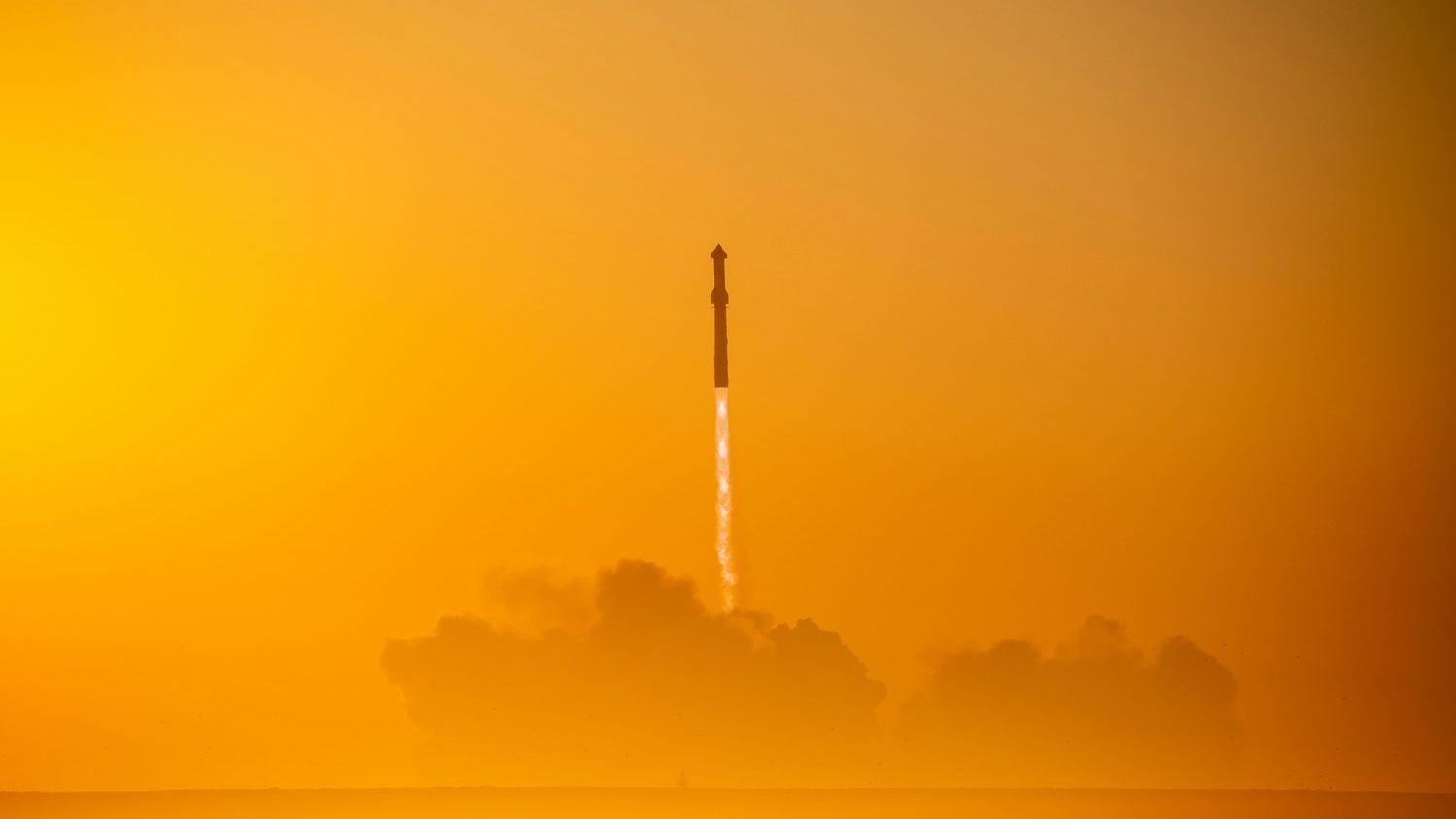
SpaceX’s Starship V3 megarocket finally has a debut launch date. Here’s when it will fly – Image for illustrative purposes only (Image credits: Unsplash)
SpaceX has identified May 19 as the planned date for the first flight of its Starship Version 3. The announcement establishes a concrete timeline for an upgraded vehicle designed to support more ambitious human spaceflight objectives. This step comes amid continued development of reusable rocket systems that could eventually enable sustained operations beyond low Earth orbit.
The Significance of the May 19 Target
The selection of a specific launch window reflects SpaceX’s progress in preparing the new configuration for flight. Earlier versions of Starship have undergone multiple test flights, each providing data that informs refinements in the current model. A successful debut on the announced date would mark the transition from development testing to operational demonstrations.
Timing plays a critical role in the broader schedule. Regulatory approvals and range safety reviews must align with the May 19 window, and any delays could shift subsequent milestones. The company has historically adjusted dates based on technical readiness, yet the public targeting of this date signals confidence in the vehicle’s current state.
Starship V3 as an Evolved Platform
Version 3 incorporates design changes intended to increase payload capacity and reliability compared with prior iterations. These modifications aim to support heavier cargo loads and more complex mission profiles. The vehicle retains the core architecture of a fully reusable first stage and upper stage, a feature central to reducing long-term launch costs.
Engine performance and structural enhancements in this version address lessons from previous flights. Engineers have focused on improving propellant management and thermal protection systems. Such upgrades position the rocket to handle the demands of extended-duration missions that earlier prototypes were not optimized to complete.
Links to Moon and Mars Exploration Goals
The debut flight carries implications for NASA’s Artemis program, which relies on Starship variants for lunar lander roles. A successful test would provide validation data needed for crewed lunar landings planned in the coming years. The same capabilities could later support cargo delivery and habitat construction on the lunar surface.
Looking further ahead, the vehicle is viewed as a foundational element for Mars missions. Its large payload volume and refueling architecture are considered essential for transporting the supplies and equipment required for human presence on the red planet. Each incremental flight test brings those objectives closer to feasibility.
Next Steps After the Initial Launch
Following the May 19 flight, SpaceX plans a series of additional tests to expand the vehicle’s operational envelope. These will include orbital refueling demonstrations and higher-energy trajectories. Data collected during these flights will guide further iterations before any crewed applications.
Industry observers note that consistent flight cadence remains essential for meeting the timelines associated with both lunar and Martian programs. Regulatory and technical hurdles will continue to shape the pace of progress. The May 19 target therefore serves as an early indicator of how rapidly the program can advance in the months ahead.