

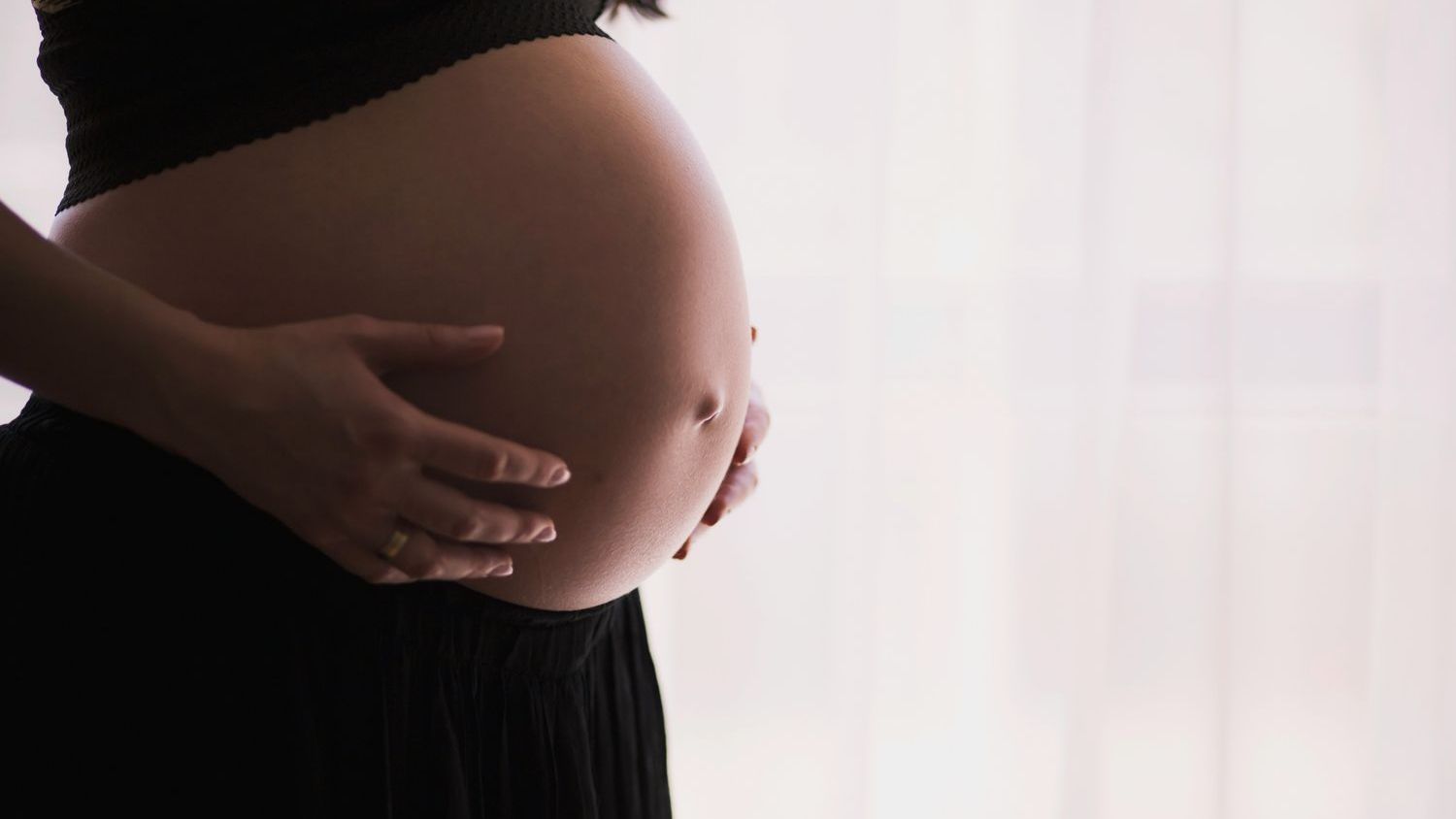
Getting children to eat their vegetables starts in the womb, researchers suggest – Image for illustrative purposes only (Image credits: Unsplash)
Parents have long searched for ways to encourage children to eat vegetables, often turning to books, creative disguises, or rewards at the dinner table. Yet emerging suggestions from researchers point to an earlier starting point: the flavors a fetus encounters while still in the womb. This prenatal window may lay the groundwork for later acceptance of healthy foods, shifting attention away from post-birth tactics alone.
Common Strategies Fall Short for Many Families
Everyday efforts to promote vegetable consumption frequently involve indirect methods. Some households read stories featuring enthusiastic vegetable eaters, while others blend greens into smoothies or cover them with sauces to mask the taste. Bribery with treats or screen time also appears regularly in attempts to overcome resistance.
These approaches reflect a widespread recognition that young children often reject bitter or unfamiliar plant-based foods. The persistence of such battles suggests that preferences may form well before the first solid meal, limiting the effectiveness of interventions that begin only after birth.
Prenatal Flavor Transmission Offers a Different Angle
Researchers have proposed that amniotic fluid carries traces of what a pregnant person consumes, allowing the developing fetus to sample those flavors directly. Repeated exposure during this period could familiarize the child with vegetable notes, making them less novel or off-putting once weaning begins.
The mechanism relies on the continuity between prenatal and postnatal taste experiences. Because the same flavor compounds appear in breast milk as well, the effect may extend naturally into early infancy for those who continue exposure through maternal diet.
This line of thinking does not claim that every child will automatically love broccoli after a pregnancy rich in greens. Instead, it frames early flavor encounters as one contributing factor among many that influence long-term eating patterns.
Limitations and Open Questions Remain
Current suggestions rest on observational patterns rather than definitive proof that prenatal exposure alone guarantees vegetable acceptance. Individual differences in genetics, later environment, and repeated postnatal experiences continue to play substantial roles.
Further study is needed to clarify how much influence the womb period carries compared with the first years of life. Without that detail, parents cannot treat prenatal diet as a complete solution or dismiss later efforts entirely.
Still, the possibility invites consideration of maternal nutrition during pregnancy as an additional, low-effort avenue alongside established feeding practices.
Looking Ahead for Families and Research
If supported by stronger evidence, the prenatal perspective could encourage broader attention to balanced eating during pregnancy without adding pressure or unrealistic expectations. It also underscores that food preferences develop gradually across multiple stages rather than through any single intervention.
Continued investigation may eventually provide clearer guidance on timing, frequency, and specific foods that produce measurable differences. For now, the idea serves mainly as a reminder that the foundations of taste begin earlier than most mealtime strategies assume.