

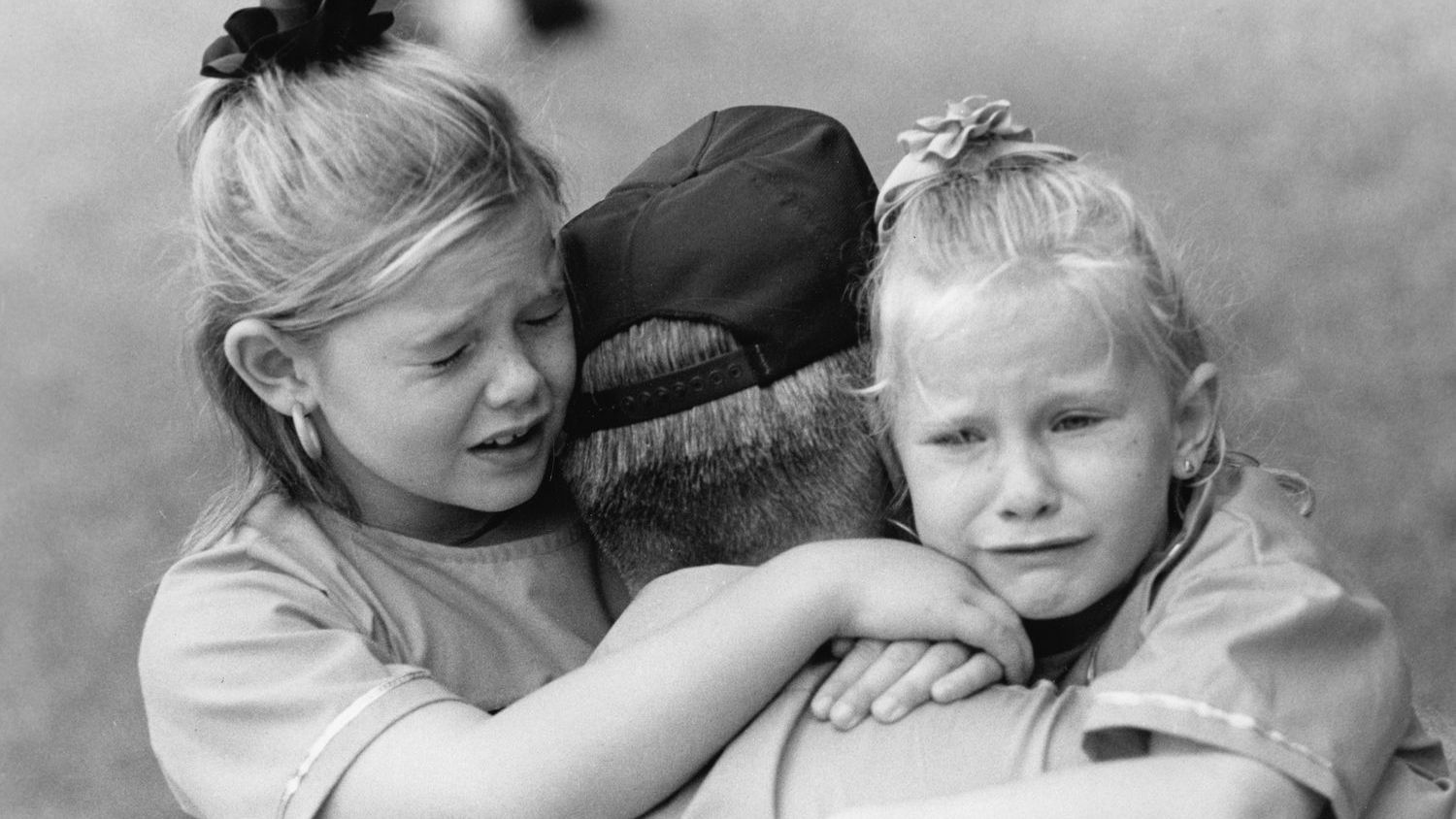
Psychology says kids who grew up in the 1960s and ’70s learned a version of emotional resilience that modern parenting has accidentally engineered out of an entire generation – Image for illustrative purposes only (Image credits: Unsplash)
Children in the 1960s and 1970s often left home after breakfast with little more than a reminder to return by dinner. They spent hours navigating streets, parks, and friendships without constant adult oversight. Recent psychological studies suggest this pattern of unsupervised activity helped shape a form of emotional resilience that many children today encounter far less often.
Key Findings From Psychological Research
A 2023 paper by psychologist Peter Gray and colleagues in The Journal of Pediatrics examined long-term trends in children’s independent activity. The authors concluded that the sharp drop in unsupervised play since the 1960s correlates strongly with rising rates of anxiety, depression, and related issues among young people. A separate Cambridge meta-analysis reached a similar conclusion, identifying overparenting as a factor that can be adjusted to reduce childhood anxiety and depression.
These studies do not claim every modern child faces higher risk. They note that the decline in independent problem-solving opportunities appears to leave some young people with fewer internal resources for handling everyday stress. The research emphasizes correlation rather than direct causation and calls for further investigation into how families can restore beneficial levels of autonomy.
How Unsupervised Time Built Practical Skills
During those free hours, children encountered repeated small challenges that required immediate decisions. A disagreement over game rules forced negotiation without an adult referee. A scraped knee prompted the child to assess its severity and decide whether to continue playing or seek help. Boredom on a quiet afternoon required inventing an activity rather than waiting for entertainment.
Psychologists describe the cumulative effect as an internal locus of control. Children who repeatedly solved minor problems developed evidence, stored through experience, that they could manage difficulties. This pattern repeated across thousands of hours and contributed to lower anxiety levels in adulthood, according to the reviewed studies.
Modern Shifts in Daily Routines
Contemporary childhood often includes scheduled activities, supervised play, and quick adult intervention in conflicts. Walks to school may involve escorts. Park time frequently includes parental mediation. Screens fill gaps that once required self-directed solutions. Each individual change stems from protective intentions, yet the combined result reduces opportunities for independent decision-making.
The studies acknowledge that earlier decades carried higher injury risks when supervision was minimal. Today’s approach has lowered some dangers. The challenge lies in distinguishing manageable setbacks from genuine hazards so that children still gain practice in self-reliance.
Small Adjustments Parents Can Consider
Families do not need to replicate 1970s conditions to offer similar benefits. Allowing a child to experience boredom without immediate resolution encourages self-initiated activity. Permitting an age-appropriate solo walk or letting friends resolve a minor disagreement without adult input provides low-stakes practice. Observing a fall and deciding its importance themselves builds calibration skills.
These steps represent incremental deposits rather than wholesale changes. Over time, they accumulate into greater confidence. The research indicates that such measured independence, introduced gradually and safely, aligns with the conditions that once supported emotional resilience by default.