

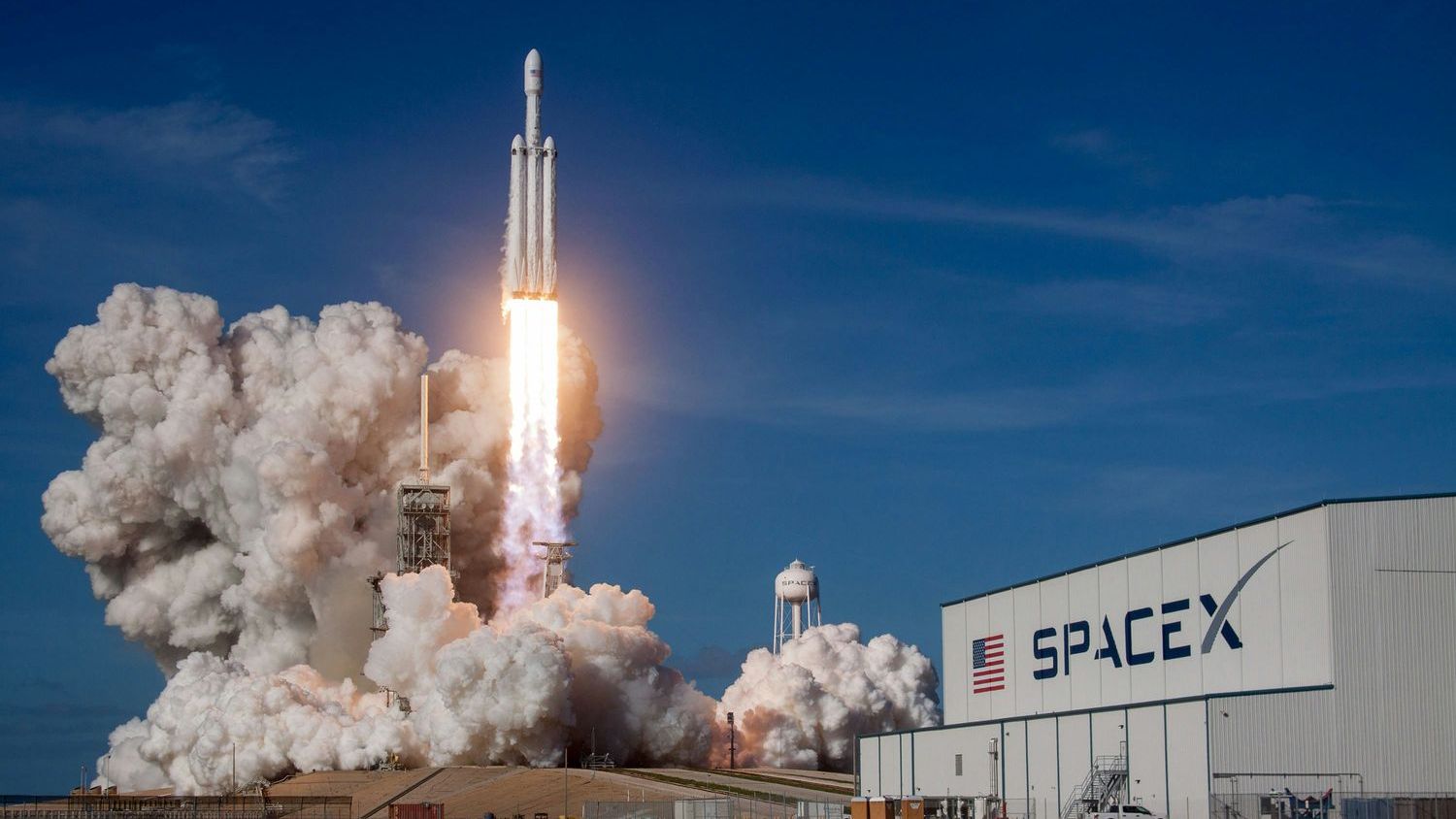
The world’s biggest rocket: How SpaceX’s new Starship ‘V3’ differs from its predecessors – Image for illustrative purposes only (Image credits: Unsplash)
SpaceX has moved forward with a substantially revised version of its Starship rocket, designated V3. The update reflects a full redesign of the vehicle that previously existed in earlier forms. This step brings the company closer to a system capable of carrying humans on lunar journeys. The effort underscores how incremental engineering advances can reshape plans for deep-space travel.
Why the V3 redesign stands out now
The timing of the V3 announcement aligns with broader goals set by NASA and international partners to return astronauts to the lunar surface within the coming decade. Earlier Starship prototypes focused on basic flight tests and reusability demonstrations. The new configuration addresses limitations observed in those initial flights by rethinking core structural and propulsion elements. Observers note that such targeted revisions often determine whether a vehicle can transition from experimental hardware to operational spacecraft.
Reusability remains central to the overall approach. By refining the design at this stage, SpaceX aims to reduce the cost per launch while increasing payload capacity. These factors matter because lunar missions require repeated heavy-lift flights to assemble habitats, landers, and supplies in orbit. Without meaningful improvements in scale and reliability, the timeline for crewed landings could slip further.
How the latest version differs from earlier Starships
Previous iterations of Starship relied on a stacked two-stage architecture that underwent multiple test flights. The V3 model incorporates changes across the entire vehicle, from propellant tanks to engine layout. Engineers have adjusted materials and manufacturing methods to handle greater stresses during ascent and reentry. These modifications represent more than incremental tweaks; they amount to a ground-up reconsideration of how the rocket performs under demanding conditions.
One area of focus involves the upper stage, which must operate reliably after separation from the booster. Earlier versions encountered challenges with heat shielding and control during descent. The revised design incorporates lessons from those flights to improve thermal protection and guidance systems. Such refinements help ensure the vehicle can return intact for reuse, a requirement for sustained lunar logistics.
Propulsion updates also play a role. The Raptor engines have seen continued development across versions, with the V3 benefiting from higher thrust output and improved reliability. Combined with a larger overall structure, these changes allow the rocket to lift heavier loads than its predecessors. The result is a vehicle better suited for the mass requirements of crewed lunar operations.
What the changes mean for reaching the Moon
A vehicle of this scale opens pathways for assembling large spacecraft in Earth orbit before departure. Lunar missions demand significant propellant reserves and structural strength that smaller rockets cannot provide efficiently. The V3 configuration supports those demands by delivering more mass per flight, potentially reducing the total number of launches needed for each expedition.
Still, several technical hurdles remain before the rocket can support human crews. Integration with life-support systems, radiation shielding, and precise landing capabilities will require additional testing. SpaceX has indicated that further flight demonstrations will address these areas, though exact schedules depend on regulatory approvals and test outcomes.
What matters now
- Continued flight testing will reveal whether the redesign delivers the expected gains in performance and reusability.
- Coordination with NASA remains essential for aligning Starship capabilities with Artemis program milestones.
- Long-term success hinges on proving the vehicle can operate safely across multiple missions without major refurbishment.
The V3 effort illustrates how aerospace programs evolve through successive prototypes. Each iteration builds on data from prior attempts, gradually closing the gap between concept and operational reality. While the path to crewed lunar flights still involves considerable work, the latest redesign marks a clear advance in that direction. Future test results will determine how quickly those ambitions translate into actual missions.