

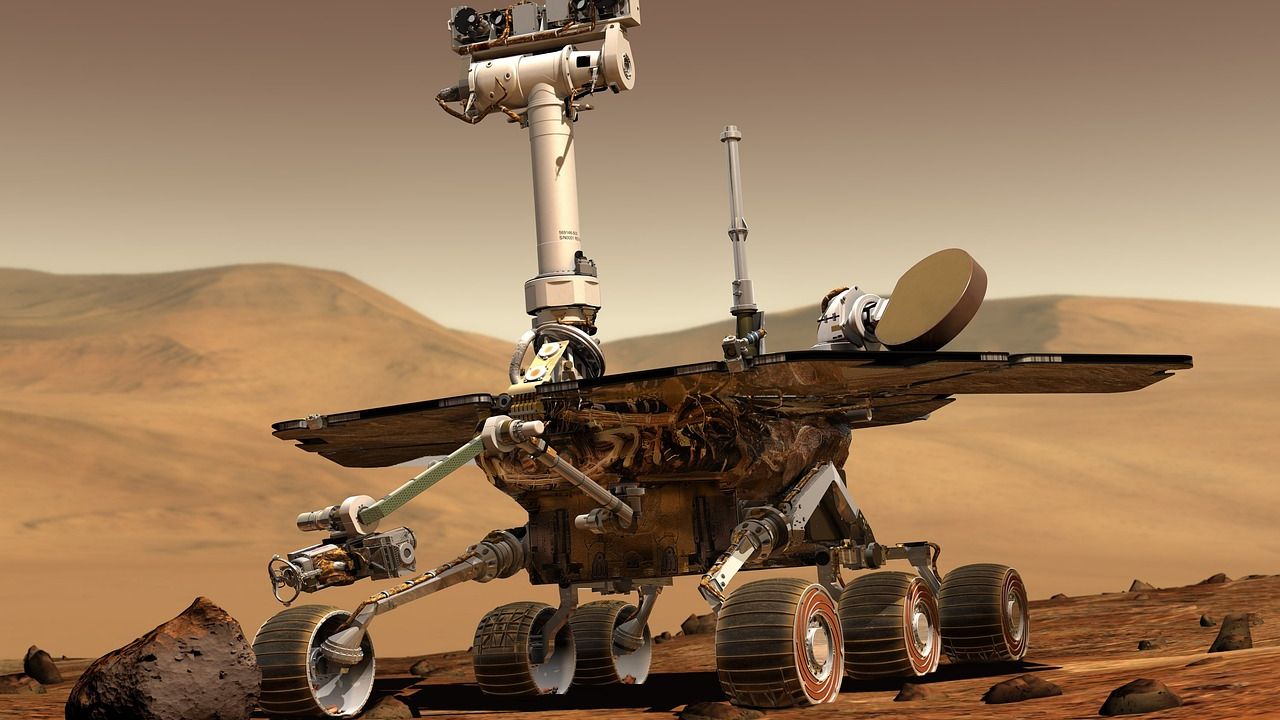
NASA’s Perseverance Rover Is About To Finish A Marathon – Image for illustrative purposes only (Image credits: Pixabay)
NASA’s Perseverance rover has covered nearly the full distance of a standard marathon while exploring the surface of Mars. The achievement underscores the vehicle’s steady progress across rugged terrain since its landing in 2021. Mission teams now watch closely as the total distance edges toward 26.2 miles, or 42.195 kilometers, a benchmark that places the rover’s endurance in human-scale terms.
Distance Traveled So Far
The rover has logged almost 26 miles, or 42 kilometers, across the Martian landscape. That figure sits just short of the official marathon length, leaving only a small gap before the mark is reached. Engineers track every meter through precise odometry data sent back to Earth. The path has taken Perseverance through varied regions, including ancient riverbeds and crater floors that hold clues to the planet’s past.
Each drive segment adds to the cumulative total in small increments. Daily commands from mission control adjust routes to avoid hazards while maximizing scientific return. The steady accumulation of distance reflects careful planning rather than speed. At current rates, the remaining stretch should be completed within weeks.
Science Collected During the Trek
Along its route, Perseverance has abraded and examined 62 rocks to reveal their internal composition. These abrasion activities expose fresh surfaces for instruments to analyze minerals and textures. The work helps scientists determine whether the rocks formed in water-rich environments long ago.
The rover has also sealed 27 rock cores inside protective tubes for future return to Earth. Each sample represents a distinct location and rock type encountered during the journey. Caching these materials now preserves them for detailed laboratory study once they arrive on Earth in the coming decade. The collection continues as the rover moves forward.
Engineering Behind the Endurance
Perseverance relies on a robust six-wheel drive system and advanced navigation software to maintain progress. Solar panels and a radioisotope power source keep instruments and mobility systems running through dust storms and cold nights. Regular health checks ensure wheels, cameras, and drills remain operational after years of service.
Teams on Earth simulate upcoming terrain using orbital imagery before issuing drive commands. This preparation reduces risk while allowing the rover to cover ground efficiently. The combination of hardware reliability and operational discipline has enabled the long traverse without major setbacks.
What Matters Now
The remaining distance to the marathon mark is small, yet the scientific value of continued exploration remains high. Perseverance will keep sampling and studying new sites even after the distance goal is met.
Looking Ahead
Once the marathon distance is reached, the rover will shift focus toward additional sampling locations in the Jezero crater region. Future drives will target layered rock formations that could contain organic compounds. Mission planners expect the vehicle to operate for several more years, extending its record of exploration.
The milestone serves as a reminder of how far robotic exploration has advanced. Perseverance’s journey demonstrates that sustained operations on another planet can yield steady, measurable results over time. Continued data return will shape understanding of Mars for years to come.