

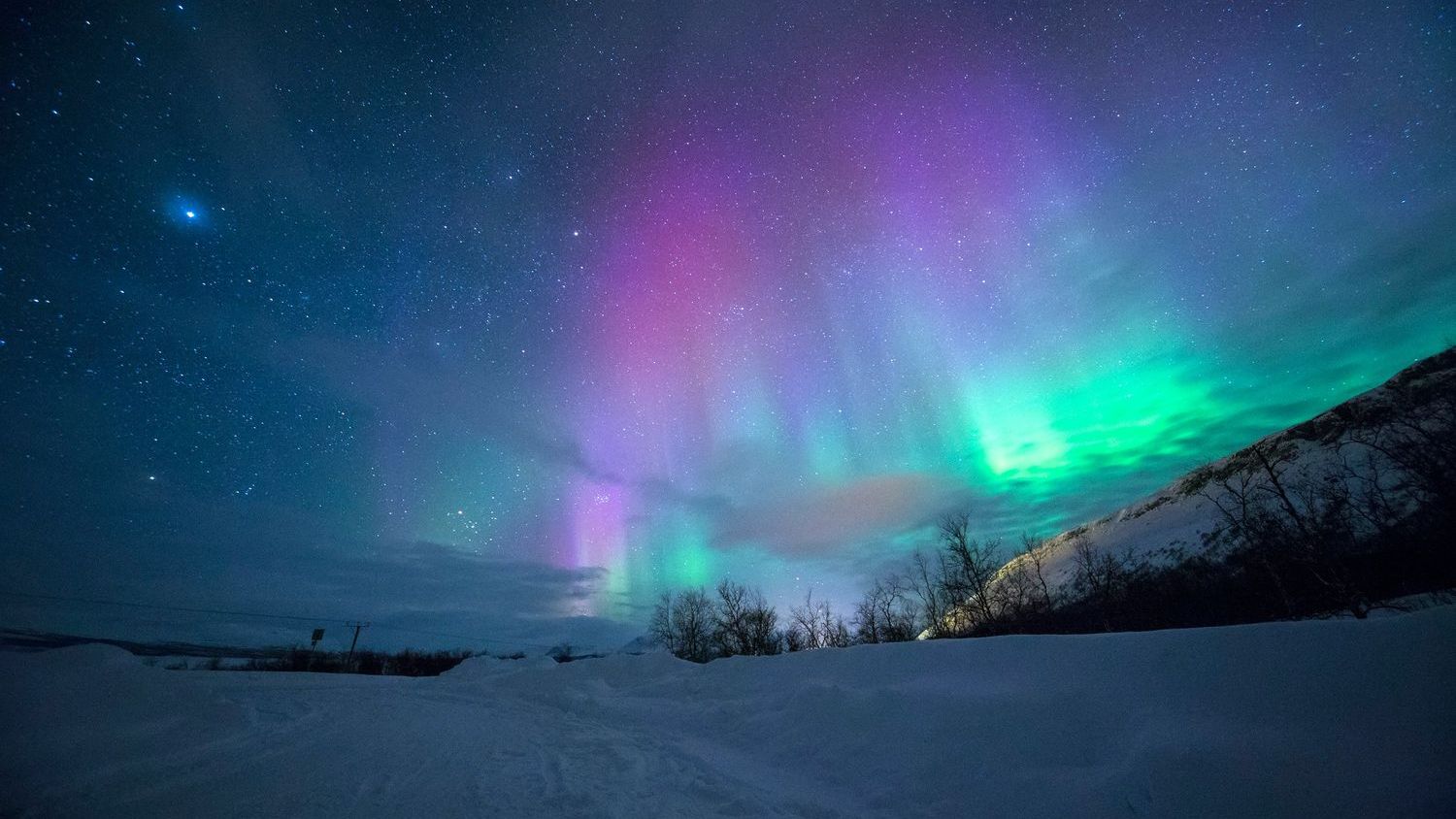
Geomagnetic storm could spark northern lights as far south as New York and Idaho tonight – Image for illustrative purposes only (Image credits: Unsplash)
A fast stream of solar wind is expected to reach Earth overnight, triggering G2 geomagnetic storm conditions that could push the northern lights unusually far south. Residents across much of the northern United States may have a rare opportunity to see the aurora borealis without traveling to traditional high-latitude viewing spots. The timing aligns with clear skies in several regions, raising the chance that people in states including New York and Idaho will witness the display.
What Makes This Storm Different
Geomagnetic storms are rated on a scale from G1 to G5, with G2 representing a moderate level that still carries noticeable effects. This particular event stems from a high-speed solar wind stream rather than a full coronal mass ejection, yet forecasters anticipate it will be strong enough to expand the auroral oval southward. The result is a wider viewing window that extends well beyond the usual northern tier of states.
Conditions are projected to peak between late evening and early morning hours, when darkness allows the faint glow to stand out against the sky. Observers farther south than normal could see subtle green or red hues if light pollution remains low and the storm reaches its expected intensity.
Where the Lights May Appear
The northern lights are most likely to be visible in a band stretching from the Pacific Northwest through the northern Plains and into the Northeast. In Idaho, clear mountain areas away from city lights offer some of the best prospects. New York residents, particularly in the northern and western parts of the state, stand a solid chance if skies stay cloud-free.
Farther north, in states such as Montana, Minnesota, and Maine, the display could appear more vivid and last longer. Even locations slightly outside the primary zone may catch brief glimpses if the storm intensifies beyond current forecasts.
How to Watch Effectively
Timing is key. The best window begins after local midnight and continues until dawn, when the sky is darkest. Find a spot with minimal light pollution, such as a rural field or elevated overlook, and allow your eyes at least 20 minutes to adjust to the darkness.
Smartphone cameras often capture the aurora more clearly than the naked eye, especially in the early stages. Point the camera north and use a long-exposure setting if available. Check local weather forecasts for cloud cover before heading out, as even thin clouds can obscure the faint colors.
Why These Events Matter
Moderate geomagnetic storms like this one serve as reminders of the Sun’s ongoing influence on Earth’s magnetic field. While G2 levels rarely disrupt power grids or satellite operations, they provide valuable data for scientists studying space weather. For the public, they offer a tangible connection to solar activity that usually remains invisible.
Events that reach mid-latitudes also highlight how space weather can affect everyday life in unexpected ways, from radio communications to the simple pleasure of seeing the sky come alive with color. Tonight’s forecast gives millions across the northern United States a chance to experience that connection firsthand.