

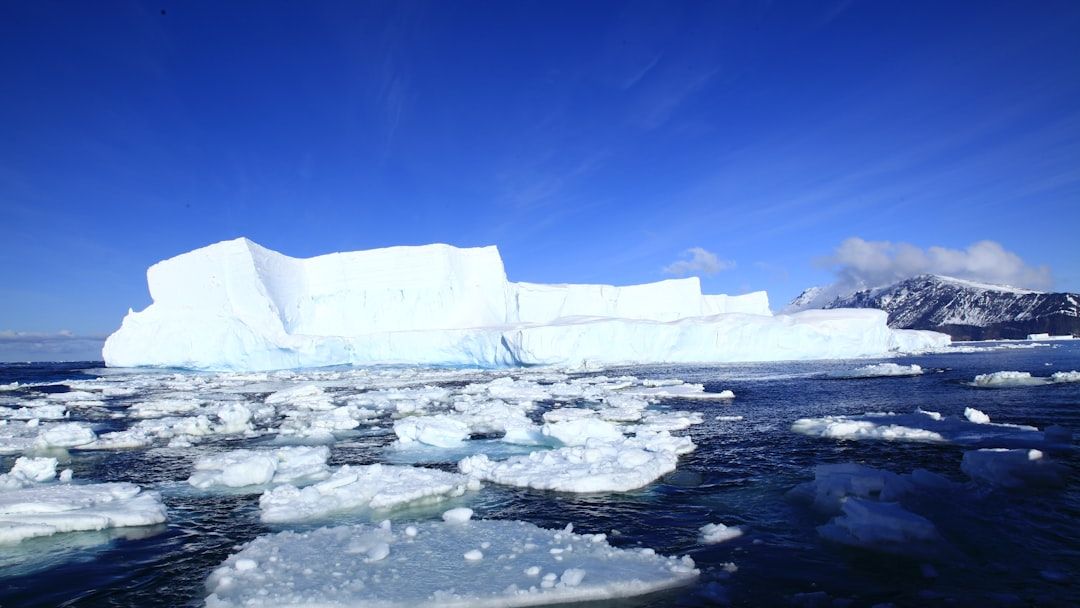
Indonesia May Soon Lose Its Last Glaciers – Image for illustrative purposes only (Image credits: Unsplash)
Indonesia stands at the edge of a notable environmental shift. Scientists now project that the country’s two remaining glaciers will disappear by 2030. The estimate carries weight because it points to accelerating ice loss not only in the tropics but across many mountain regions worldwide.
Why the 2030 deadline draws attention
The timeline places Indonesia among the first nations expected to lose all of its glaciers in the modern era. Researchers reached the conclusion after tracking steady reductions in ice volume over recent decades. The projection leaves little room for reversal under current conditions. It also highlights how quickly high-altitude ice can vanish once melting rates exceed accumulation.
Signals for glaciers elsewhere
The Indonesian case serves as an early indicator for similar ice bodies in other tropical and subtropical zones. Many glaciers already show comparable patterns of retreat driven by rising temperatures. When these small, isolated ice fields disappear, they remove natural records of past climate conditions that scientists rely on for long-term analysis. The loss therefore affects both local environments and the wider scientific understanding of global ice dynamics.
What remains uncertain
While the 2030 estimate reflects the best available data, exact timing can shift with changes in regional weather patterns. Continued monitoring will be needed to confirm whether the glaciers reach complete disappearance on schedule or slightly later. The projection does not account for any unforeseen cooling events, though such events appear unlikely given current trends. Researchers continue to refine models to narrow the range of possible outcomes.
What matters now
The disappearance of Indonesia’s last glaciers by 2030 would mark the end of a centuries-old feature of the landscape. It also reinforces the need for sustained observation of remaining ice worldwide to track how quickly similar changes may unfold elsewhere.
The development leaves scientists with a clearer picture of how quickly certain glaciers can reach their limit. It also underscores the value of preserving detailed records from these sites before they are gone.