

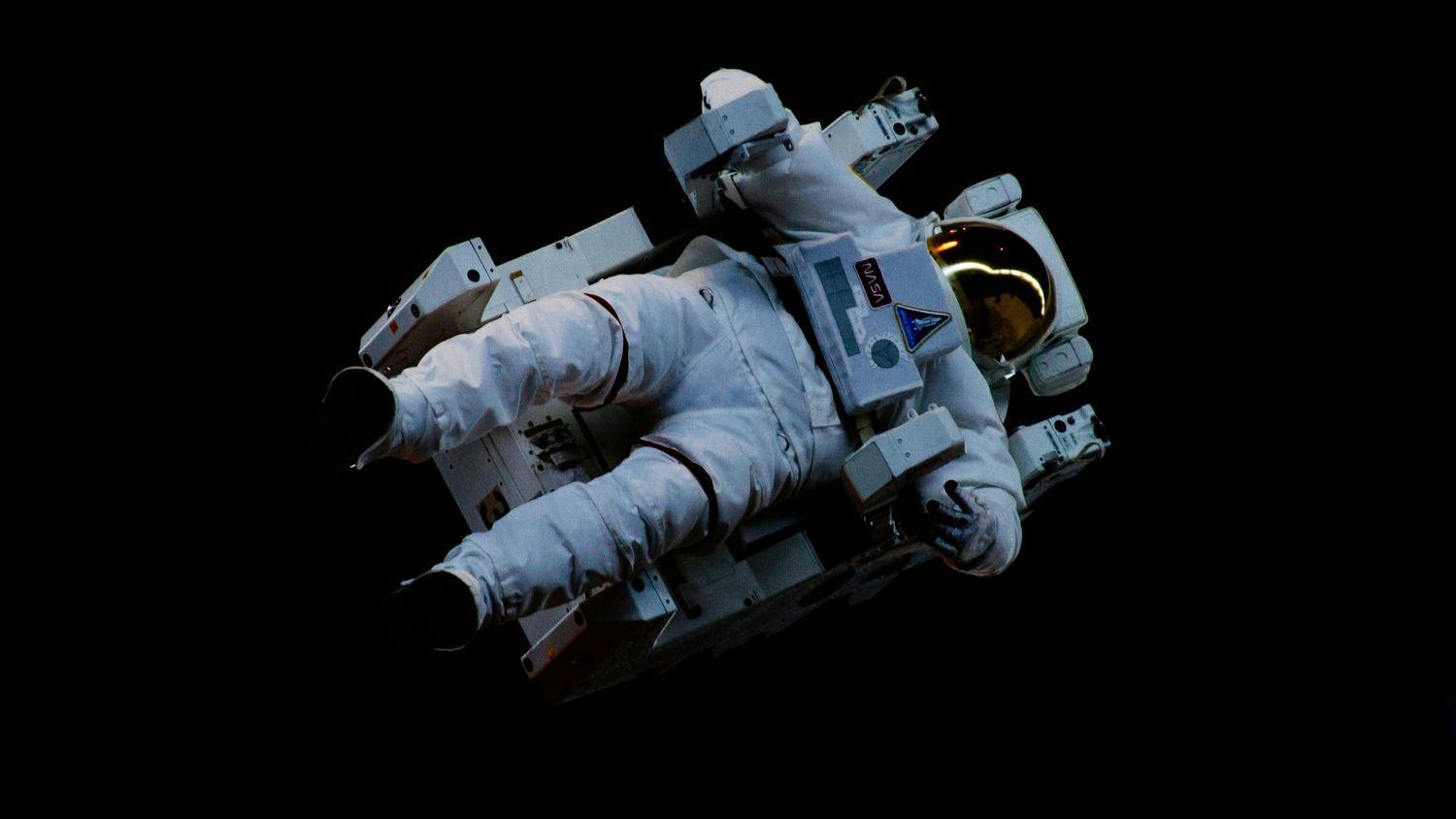
The four astronauts who flew farther from Earth than any humans in history have just come back. The advice they’re giving the rest of us has almost nothing to do with space. – Image for illustrative purposes only (Image credits: Unsplash)
When four astronauts returned to Earth after traveling farther from the planet than any humans before them, the public expected tales of lunar vistas and technical triumphs. Instead, their reflections have centered on everyday priorities that anyone can act on right away. The crew of NASA’s Artemis II mission splashed down in the Pacific Ocean near San Diego on April 10, 2026, after reaching a maximum distance of 252,756 miles. That mark surpassed the previous record of 248,655 miles set by Apollo 13 in 1970, yet the astronauts have spent their post-flight interviews urging people to focus on relationships, resilience, and simple presence rather than the stars.
The Record That Redefined Human Reach
The Artemis II flight marked the first time humans had ventured beyond low Earth orbit since the final Apollo mission in 1972. Launched on April 1 aboard the Space Launch System rocket, the crew followed a free-return path that carried them around the far side of the Moon without landing. Their closest approach to the lunar surface occurred during the swing-by, after which the spacecraft looped back toward Earth. The achievement stands as a clear technical milestone, but the four travelers have consistently downplayed the spectacle in favor of what the journey revealed about life on the ground.
Lessons That Emerged Far From Home
Reid Wiseman, the mission commander, has repeatedly highlighted the value of staying connected with people who matter. He has encouraged others to reach out to old friends, spend time outdoors, and notice small details such as a bird in flight. Christina Koch spoke directly about the daily choice required in any close team: “chose each other day after day, even the days that we wanted to maybe be somewhere else.” Victor Glover described the overwhelming sense of gratitude that came from sharing the experience with his crewmates, noting that the feeling was simply too large for one person to contain. Jeremy Hansen, the first Canadian to travel beyond low Earth orbit, addressed setbacks by observing that his culture refuses to halt at failure and instead keeps building solutions.
These observations share a common thread. Each one grew out of months of intense preparation and the real risks of deep-space travel, yet none of them require a rocket to apply. The astronauts have framed their time away as a reminder that ordinary routines gain sharper meaning when viewed from a distance.
How the Advice Took Shape During the Mission
Throughout training and the flight itself, the crew confronted the limits of what any single individual can manage. Long hours in simulators and the isolation of the spacecraft reinforced the need for mutual support. When technical challenges arose, the group responded by iterating quickly rather than dwelling on setbacks. Upon return, the same habits translated into straightforward guidance for listeners who will never leave the planet. The pattern suggests that extreme environments can clarify what remains essential once the extraordinary part ends.
What Comes Next for the Artemis Program
NASA has identified Artemis III as the next major step, with plans for the first crewed lunar landing of the current era targeted for 2027. Engineers continue to refine landing systems and life-support equipment while the agency evaluates whether the original timeline will hold. Public attention will likely focus on those technical milestones, yet the Artemis II crew’s emphasis on personal priorities offers a parallel takeaway. Their experience shows that record-setting journeys can reinforce the same habits that sustain people through ordinary challenges.
The four astronauts returned with a short list of practices worth carrying forward:
- Reach out to people you have not spoken with in years.
- Step outside regularly and notice the natural world around you.
- Accept that setbacks are part of progress and keep working toward solutions.
- Recognize that meaningful experiences grow larger when shared.
The distance record will eventually be broken again, but the perspective the crew brought back may prove harder to surpass. Their message points to choices available to anyone, regardless of how far from Earth they ever travel.