

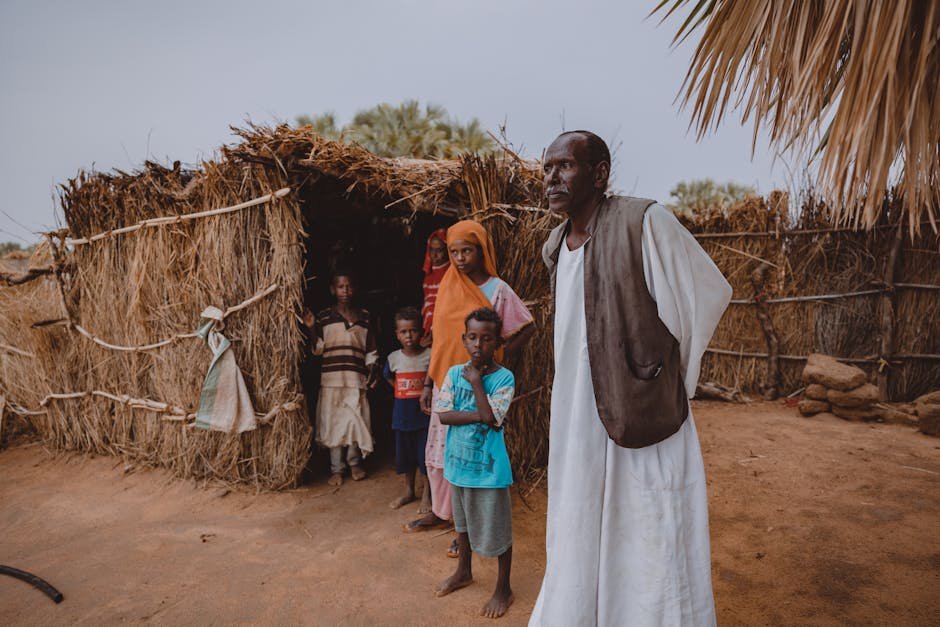
Conflict Dismantles the Food Supply Chain (Image Credits: Pexels)
Sudan – Three years into a brutal civil war, nearly 29 million people grapple with acute food insecurity, representing over 60 percent of the population.[1][2] Families in conflict-ravaged areas survive on a single daily meal, while many endure entire days without food. A coalition of international aid groups highlighted this dire situation in a report released on April 13, underscoring the systematic destruction of the nation’s food infrastructure.
Conflict Dismantles the Food Supply Chain
The war erupted in April 2023 between the Sudanese Armed Forces and the Rapid Support Forces, evolving from a power struggle into a protracted catastrophe.[1] Fighters targeted farms, markets, and vital roads, leaving the food system in ruins. Traders and farmers reported widespread devastation that severed supply lines and halted production.
North Darfur and South Kordofan suffered the most intense impacts. Residents described skipping meals routinely and turning to leaves or animal feed for sustenance. Communal kitchens strained under overwhelming demand as resources vanished. International monitors classified 28.9 million people as acutely food-insecure in the 2026 Humanitarian Needs and Response Plan.[2]
Famine Takes Hold in Hotspots
Independent assessments confirmed famine in el-Fasher and Kadugli, two key conflict zones. The UN-backed Integrated Food Security Phase Classification identified additional breaches in Um Baru and Kernoi, where acute malnutrition among children under five nearly doubled the famine threshold.[1] These declarations relied on evidence amid denials from both the government and paramilitary forces.
Such classifications trigger urgent protocols, yet responses lagged. The NGOs portrayed hunger not as an unintended consequence but as a deliberate tactic, violating international humanitarian law through sieges and targeted destruction. Four verified famine sites signaled a broader pattern across the country.
| Location | Famine Status | Key Indicator |
|---|---|---|
| el-Fasher | Confirmed | Acute malnutrition |
| Kadugli | Confirmed | High child wasting |
| Um Baru | Threshold surpassed | Double famine level in children |
| Kernoi | Threshold surpassed | Severe food shortages |
Vulnerable Populations Bear the Brunt
Displacement affected millions, uprooting over 12 million from homes and severing access to land and markets.[3] Nearly the entire population required humanitarian aid, but delivery faltered amid violence. Disabled individuals encountered insurmountable barriers to aid and safety.
Women and girls faced heightened dangers, including rape risks during food foraging or water collection. Female-headed households experienced worse shortages, trapped in a cycle of vulnerability and trauma. The International Rescue Committee placed Sudan atop its 2026 Emergency Watchlist, citing undercounted deaths and blocked assistance.[1]
- Tens of thousands confirmed killed, likely far more due to collapsed health systems.
- Millions displaced, creating the world’s largest such crisis.
- Starvation used as warfare, eroding food production entirely.
- Donor funding cuts hampered aid efforts further.
- Climate pressures and economic collapse compounded the war’s effects.
Calls for Action Amid Denial and Inaction
Both warring parties rejected famine claims, stalling international protocols and funding. The government avoided admissions that could highlight operational failures, while the RSF evaded accountability in controlled areas. Fragmented global responses failed to match the crisis’s scale.
Without a ceasefire or heightened diplomacy, the catastrophe persisted largely unnoticed. Tens of thousands perished, with indirect deaths from hunger mounting unchecked. Aid organizations urged scaled-up support to avert wider famine spread.
Key Takeaways:
- 29 million acutely food-insecure, many on one meal daily.
- Four areas meet or exceed famine criteria per IPC.
- War tactics deliberately weaponized hunger against civilians.
Sudan’s crisis demands urgent global focus before starvation claims more lives in this overlooked war. What steps should the international community take next? Share your thoughts in the comments.