
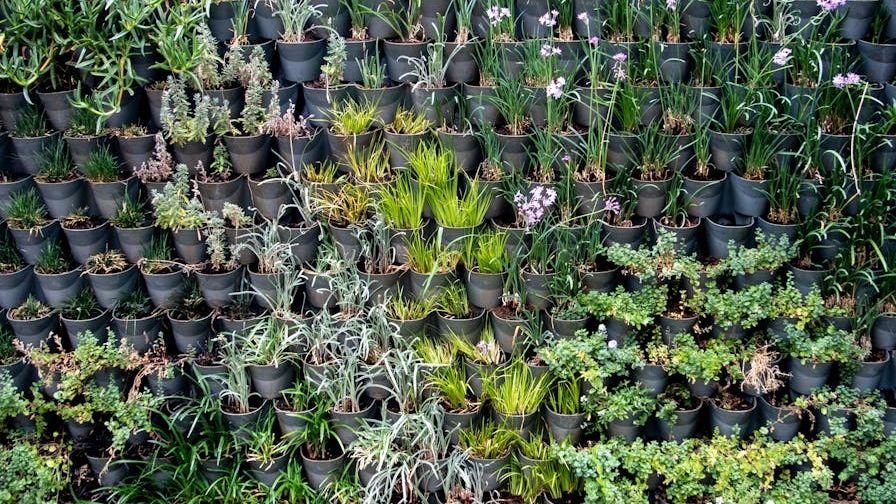

Most people assume growing food at home requires land, a backyard, or at the very least a sunny patio. That assumption is getting harder to defend. A new generation of vertical garden systems is turning spare corners of apartments into real, productive growing spaces. The shift isn’t purely aesthetic. It’s driven by practical research, smarter technology, and a genuine need to rethink where food comes from.
Cities are home to more than half of the world’s population, and that share keeps climbing. Feeding dense urban environments through traditional agriculture alone is an increasingly strained model. Vertical gardening inside apartments doesn’t solve the entire food system problem on its own, but it’s a meaningful, accessible piece of it – and for a family of four, the numbers are more compelling than most people realize.
What a Vertical Garden Actually Is
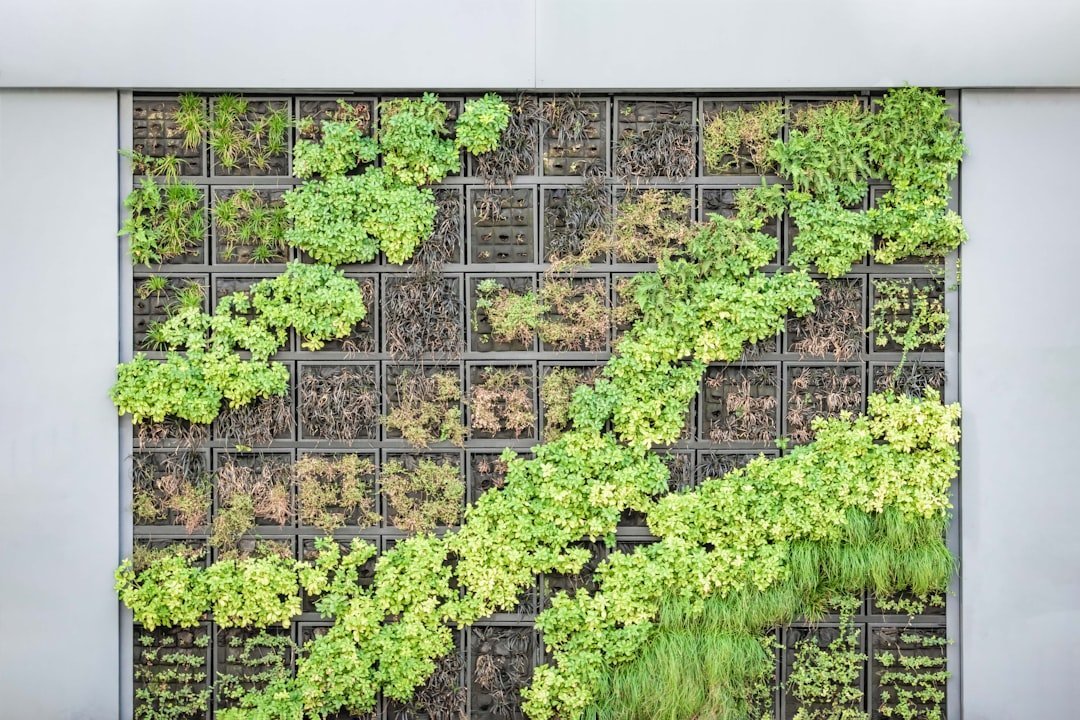
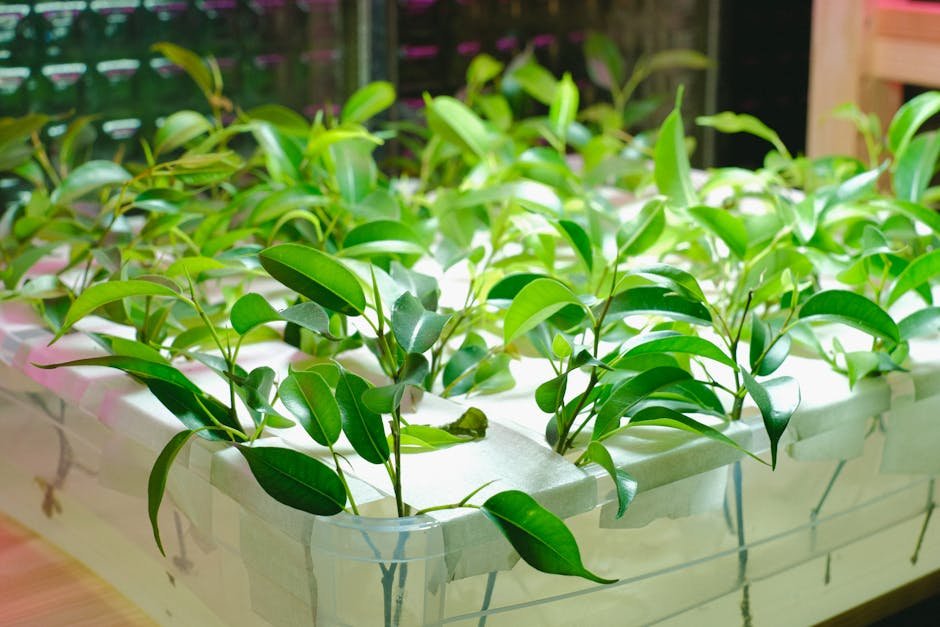
Vertical agriculture refers to the practice of growing crops in vertically stacked layers. In an apartment setting, this typically means a tower, wall-mounted panel, or modular shelf unit where plants grow upward rather than outward. The tower eliminates soil and instead supports roots within inert growing mediums, such as coco coir or rockwool, through which nutrient solutions continuously circulate.
Water is circulated by a pump from a reservoir at the base of the tower to the top, then trickles down to the plants, delivering moisture and vital nutrients from the flowing water. The result is a clean, contained, and surprisingly low-maintenance system that fits inside a kitchen, living room, or bedroom without any soil on the floor.
How Much Space Does a Family Actually Need
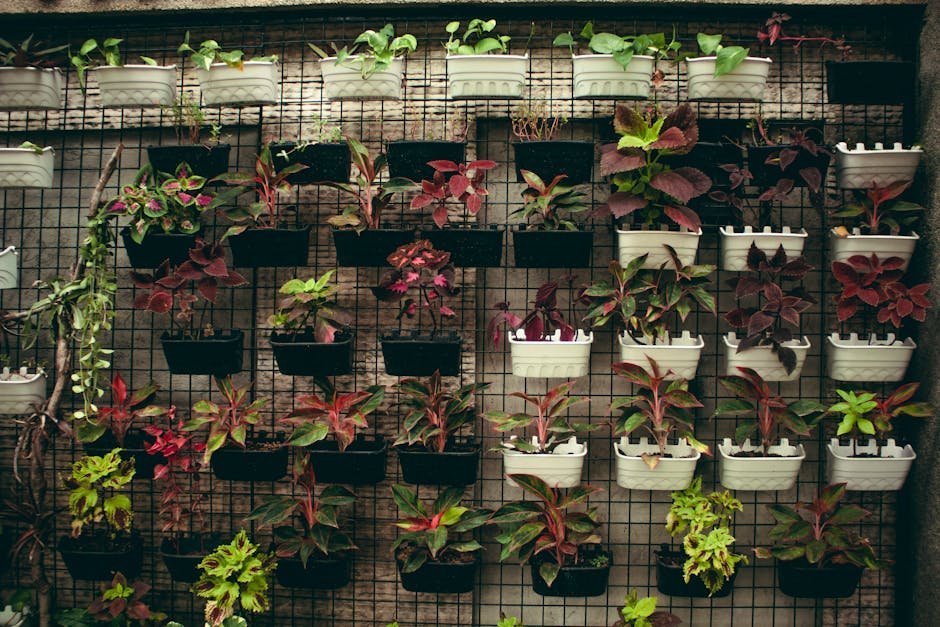
In as little as four square feet, it is possible to grow enough leafy greens to feed a household year-round. That’s a striking number. For a family of four relying on salads, herbs, and greens daily, a pair of well-managed vertical towers can meaningfully supplement what they’d otherwise buy at the store.
With a base measuring just 20 inches by 20 inches, one compact tower takes less than three square feet of floor space, yet offers the same growing capacity as a 30-square-foot garden by growing plants vertically. Because a tower garden takes up less than two square feet of growing space, they are suitable for a wide variety of places. For apartment dwellers, that’s a genuine game-changer.
The Yield Advantage Over Traditional Gardening
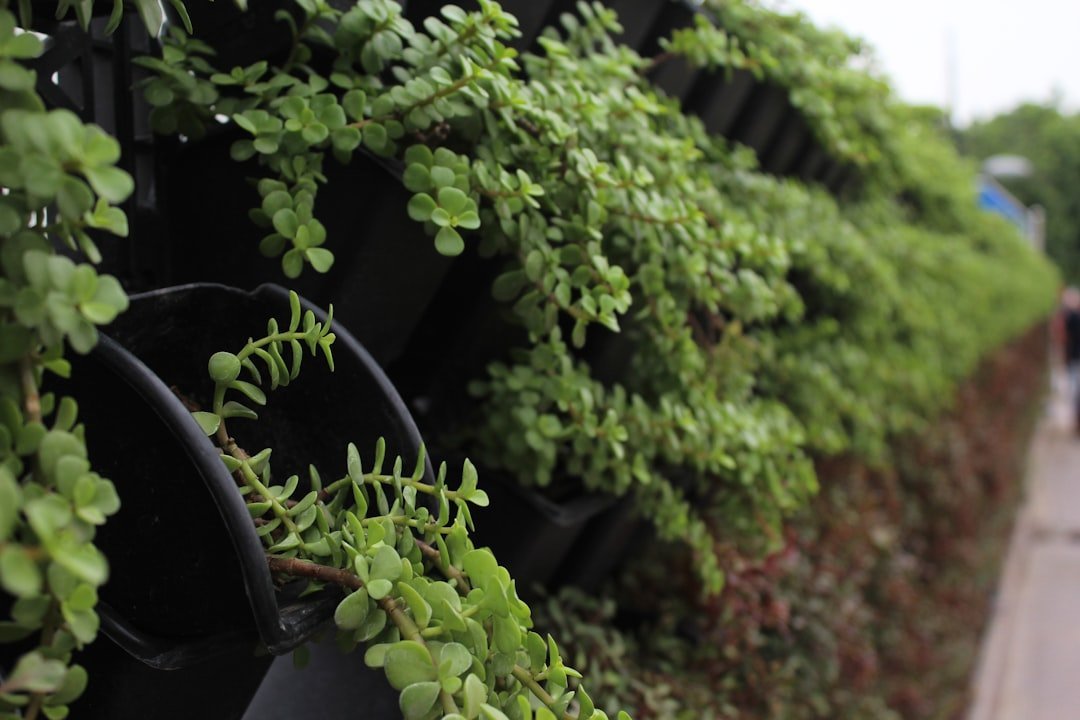
Vertical gardens yield up to 10 times more produce per square foot compared to traditional methods. Some advanced indoor vertical farms push those numbers even further. By stacking plants in vertical layers, these farms can produce up to 390 times more food per square foot than traditional farms – meaning more food even in cities or places with very little farmland.
Leafy greens like lettuce and herbs can be harvested in three to four weeks, while fruiting plants like tomatoes and peppers take eight to twelve weeks. The NFT hydroponic system promotes about 40% faster growth compared to traditional soil gardening. Those are cycles that actually mean something at the dinner table.
Water Savings That Make Sense in 2026
Vertical farming systems use up to 70 to 95 percent less water than conventional agriculture, and up to 99 percent less land by stacking crops vertically. For apartment-based systems specifically, the water efficiency is even more precise. The recycling process used by hydroponic towers results in a 95 percent water savings when compared with growing using traditional soil.
In practical terms, a tower garden circulates the same water repeatedly rather than losing it to soil absorption or runoff. Water is recycled up and down the tower, resulting in 95 percent less water use than conventional farming methods. For cities facing water pressure or families watching utility bills, that efficiency matters.
What Crops Grow Best in an Apartment Tower
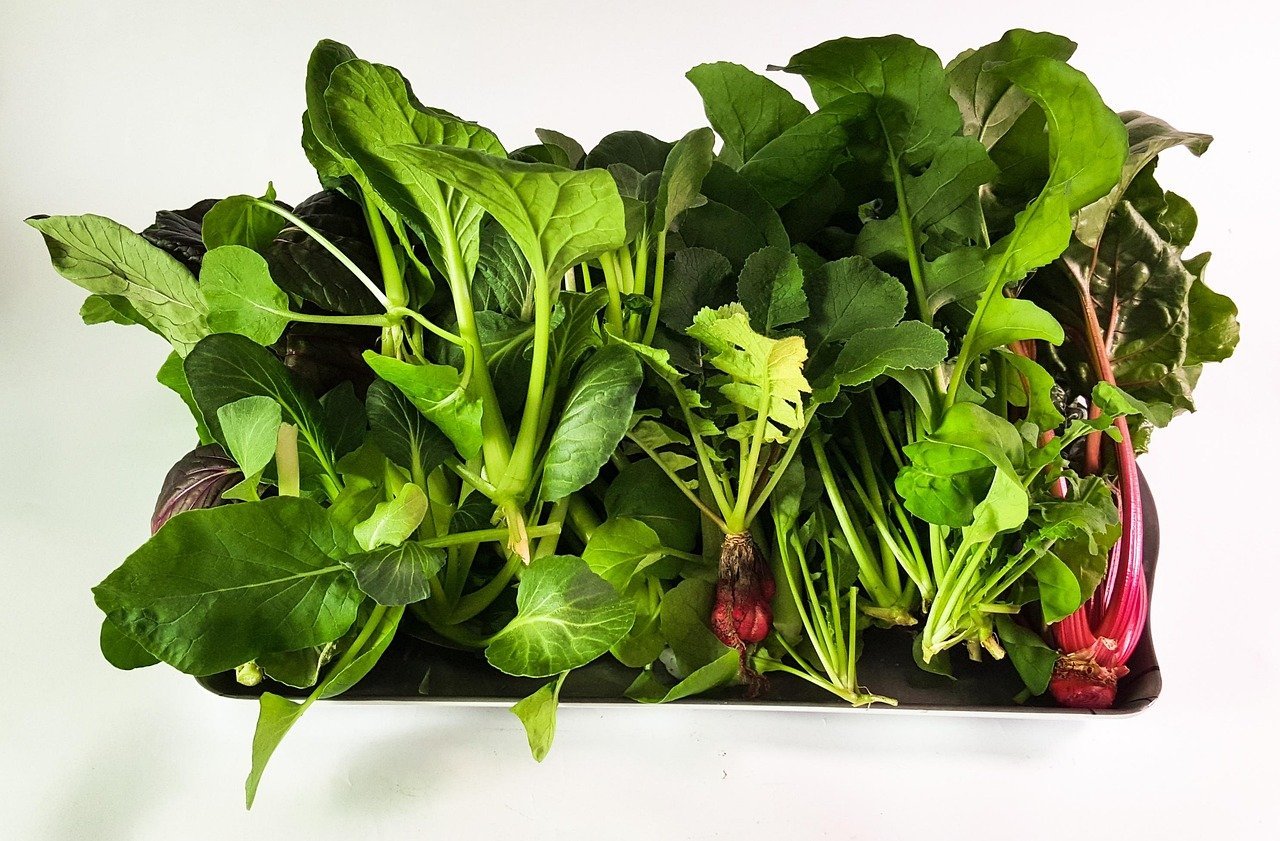
Hydroponic tower systems are particularly well-suited for growing leafy greens, herbs, strawberries, and high-value crops that benefit from rapid, disease-free, efficient urban cultivation. These are also, not coincidentally, some of the most expensive items in grocery stores when bought fresh and organic. With modern indoor systems, over 100 varieties of produce can be grown at home, including leafy greens, herbs, vegetables, fruits, and flowers, with popular favorites including lettuce, kale, basil, mint, cherry tomatoes, peppers, cucumbers, and strawberries.
Lettuces, herbs, leafy greens, strawberries, basil, Swiss chard, kale, and spinach thrive near the top of towers, while eggplants, peppers, beans, and peas do well in the middle, and larger vining plants like tomatoes and squash work best near the base. Positioning crops thoughtfully across tower levels is part of getting the most out of the setup.
The Role of LED Grow Lights
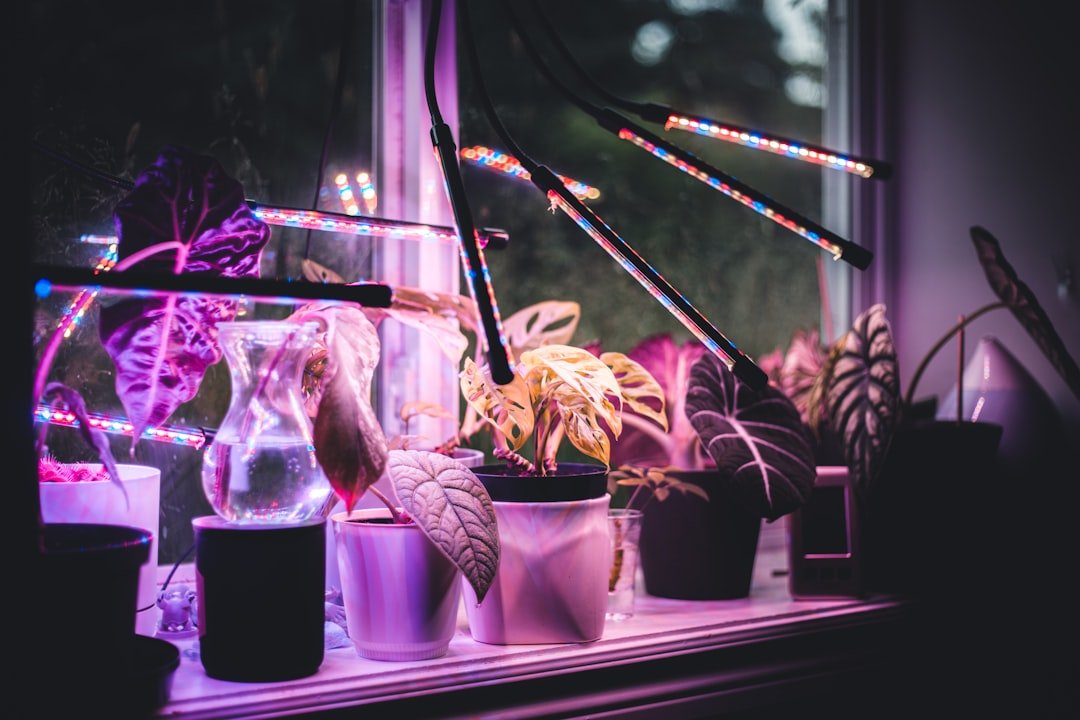
Pairing hydroponics with LED lighting tuned to the exact spectrum plants need allows for growing a year-round indoor salad bar – and as experts point out, LEDs changed everything about indoor farming. Earlier generations of grow lights consumed too much power to make home setups economical. That’s no longer the case. LED lights are used in indoor hydroponic systems due to their energy efficiency, longevity, and ability to produce a wide range of light spectrums, customized to emit specific wavelengths that cater to the needs of different plant species or growth stages.
Full-spectrum LED grow lights replicate natural sunlight, allowing year-round growing regardless of weather or season, and do not require any natural light – a tower can be placed anywhere with access to a standard electrical outlet. That makes the setup practical even for apartments with north-facing windows or limited natural light.
The Real Monthly Cost Breakdown
People often assume indoor growing is expensive. The upfront cost of a quality vertical tower does require an investment, but the ongoing economics are more favorable than expected. Monthly operating costs typically run approximately $15 to $25 for hydroponic nutrients, $10 to $15 for electricity from LED lights, and $5 to $10 for seeds – a total of roughly $30 to $50 per month, while the system can grow produce worth $200 to $250 at retail prices, representing a net savings of $150 to $200 per month.
For maintenance, expect to spend about 15 minutes per week checking water levels, adding nutrients, and harvesting. That’s considerably less time than weekly grocery trips for fresh herbs and greens. The time investment is genuinely low once a system is established and running.
Year-Round Harvests and Food Security at Home
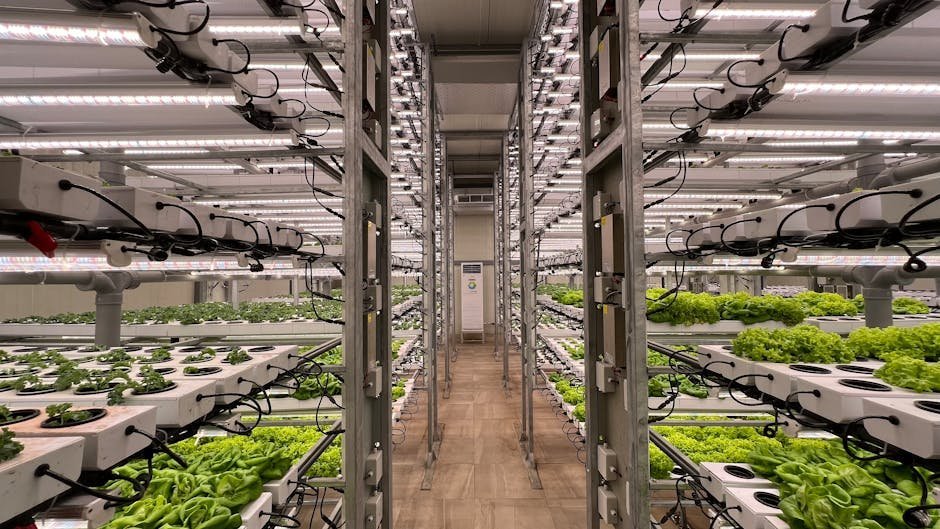
Indoor growth systems serve as a protective environment for plants, contributing to year-round crop production free from the usual market risks of low yields due to changes in weather, while also presenting the ability to grow crops under conditions that would otherwise be unfavorable for common farming. Seasonal disruptions, shipping delays, and supply chain gaps simply don’t affect what’s growing three feet from your kitchen counter.
One key advantage of vertical farming is year-round, consistent crop output. Hydroponic gardeners raising vegetables the vertical way won’t need to worry about severe weather, since they control the essential elements including water, fertilizers, air, lighting, temperature, and pH, allowing crops to be cultivated all year round when indoor conditions remain constant. For families with children, that consistency has real nutritional value.
Health, Pesticides, and Food Quality

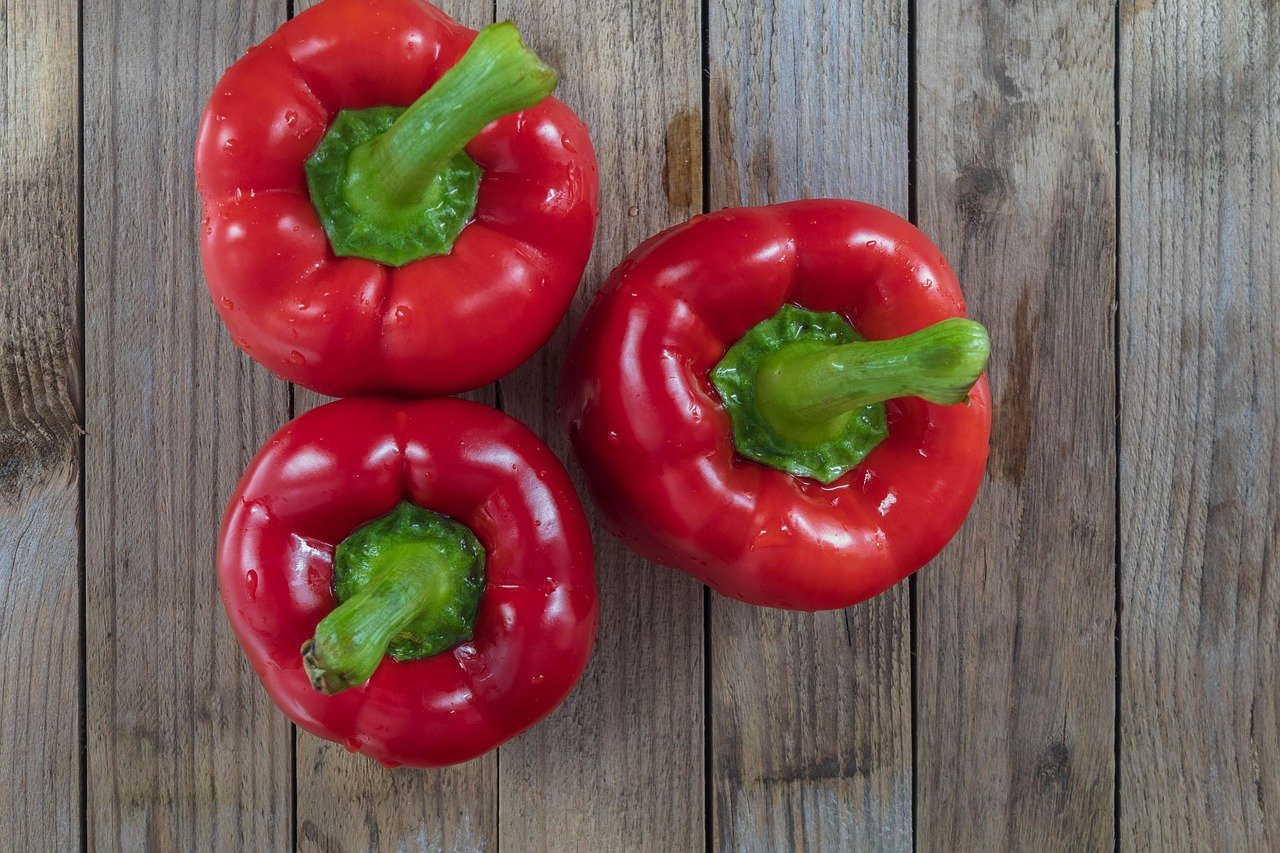
Because vertical farms operate in controlled environments, they require zero or minimal pesticide use, which dramatically reduces chemical runoff and improves food safety. For families concerned about what goes into their food, this is one of the clearest advantages over conventionally grown supermarket produce. Vertical setups also eliminate or greatly reduce chemical pesticides and fertilizers, since crops grow in biosecure indoor environments.
Through control over environmental parameters including light spectrum, temperature, humidity, and nutrient composition, vertical systems can fine-tune growing conditions to maximize the accumulation of essential nutrients, antioxidants, and phytochemicals in cultivated crops. That’s a level of nutritional precision that outdoor farming simply cannot match on a consistent basis.
The Broader Market and Where Home Farming Fits
The global vertical farming market stood at $5.4 billion in 2024 and is expected to advance at a compound annual growth rate of 21.3 percent during 2025 through 2032, reaching $24.9 billion by 2032. Commercial-scale operations and home systems are growing in parallel. Urban vertical farming has emerged as a potential solution to improve food security for urban populations, with existing literature highlighting both direct and indirect benefits to individuals and communities.
In 2025 and looking forward to 2026 and beyond, vertical agriculture systems are gaining widespread adoption globally. Home vertical gardens sit within this larger shift. In 2025 and 2026, hydroponic garden towers are increasingly seen as cornerstones of green infrastructure, with cities integrating them within high-rise rooftops and on balconies and terraces, bringing hyper-local fresh produce to apartment dwellers. The home grower and the urban planner are, for the first time, genuinely working in the same direction.
Conclusion: Growing Up, Not Out
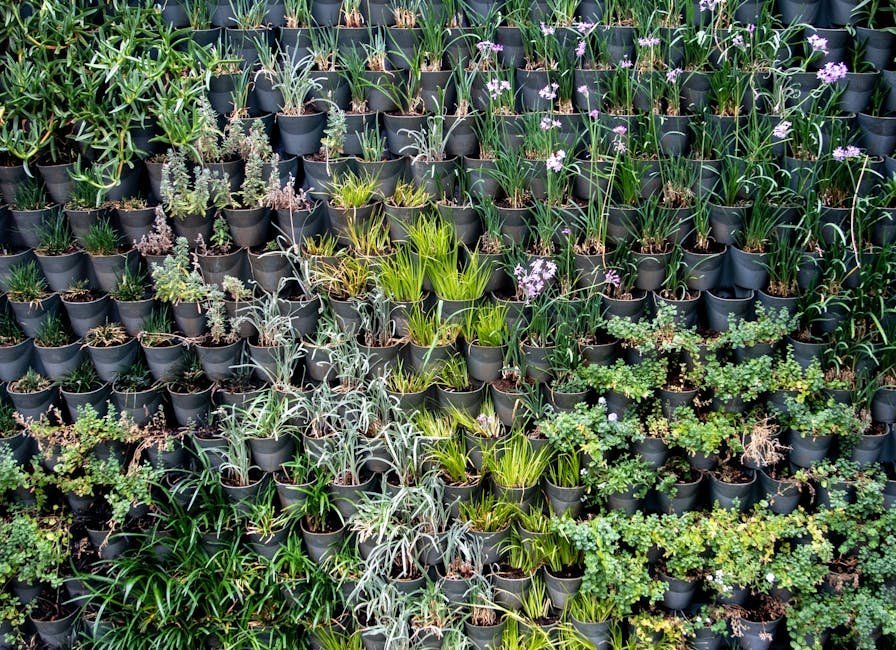
A vertical garden doesn’t replace a full diet. It doesn’t grow staple grains, and caloric density from a tower alone won’t sustain a family in full. What it can do is provide a consistent, pesticide-free supply of the vegetables, herbs, and greens that are simultaneously the most expensive to buy fresh and the most beneficial to eat regularly. For a family of four in an apartment, that’s not a small thing.
The technology has matured considerably. Setup times are short, maintenance is measured in minutes per week, and the water efficiency removes one of the main environmental concerns about indoor growing. Access to fresh produce has been shown to have positive effects on both physical and mental health, and urban agriculture can help reduce stress, improve nutrition, and promote a sense of connection with nature.
The real shift happening in 2026 isn’t just commercial. It’s happening on kitchen floors, in spare bedrooms, and in corner nooks of city apartments. The wall that once separated “farming” from “home” is quietly and literally growing green.