

There are moments in human history where something shifts quietly but permanently. On April 6, 2026, four people flew behind the Moon and saw a universe that no human eye had ever directly witnessed. No films, no rehearsal, no simulation could have prepared them for it.
What came back from that seven-hour flyby wasn’t mystery or conspiracy. It was something stranger and more compelling: verified, documented science that exceeded expectations, observations that surprised even seasoned Mission Control teams, and images that will shape lunar exploration for decades. Here is what actually happened.
A Journey 53 Years in the Making
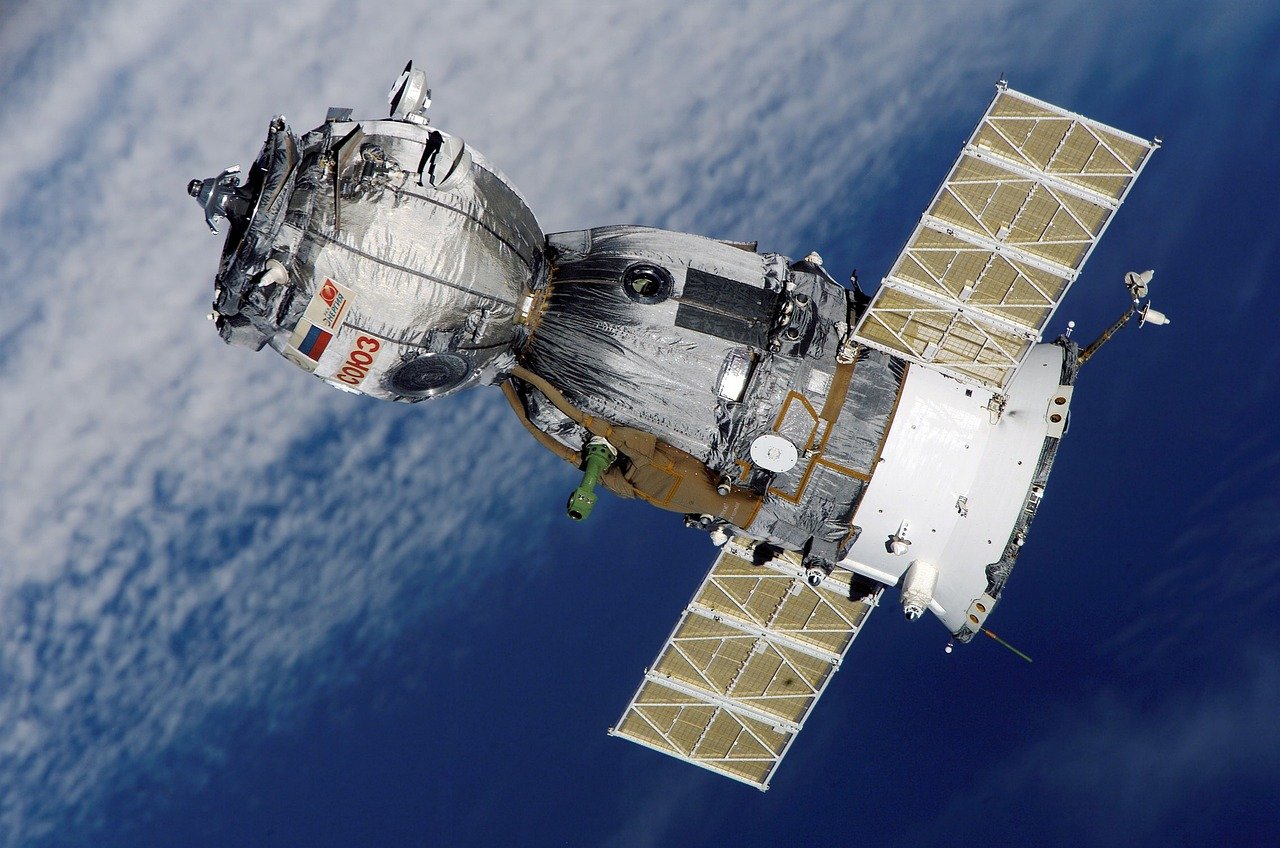
For the first time in more than 50 years, astronauts were bound to fly around the Moon after completing a key burn of Orion’s main engine. The approximately six-minute firing of the spacecraft’s service module engine, known as the translunar injection burn, accelerated commander Reid Wiseman, pilot Victor Glover, mission specialist Christina Koch, and CSA astronaut Jeremy Hansen beyond Earth’s orbit.
During their mission, the crew flew a total of 694,481 miles. Their lunar flyby took them farther than any humans have ever traveled before, surpassing the previous distance record set by Apollo 13 astronauts in 1970. That record had stood for 56 years.
NASA described Artemis II’s mission objectives as comparable to those of both Apollo 7 and Apollo 8, combining tests of the spacecraft in Earth and lunar orbit into a single mission. Unlike Apollo 8, Artemis II did not enter lunar orbit due to performance limitations with the service module. Instead, it flew around the Moon on a free-return trajectory, like Apollo 13 in 1970.
Years of Delays Before Liftoff
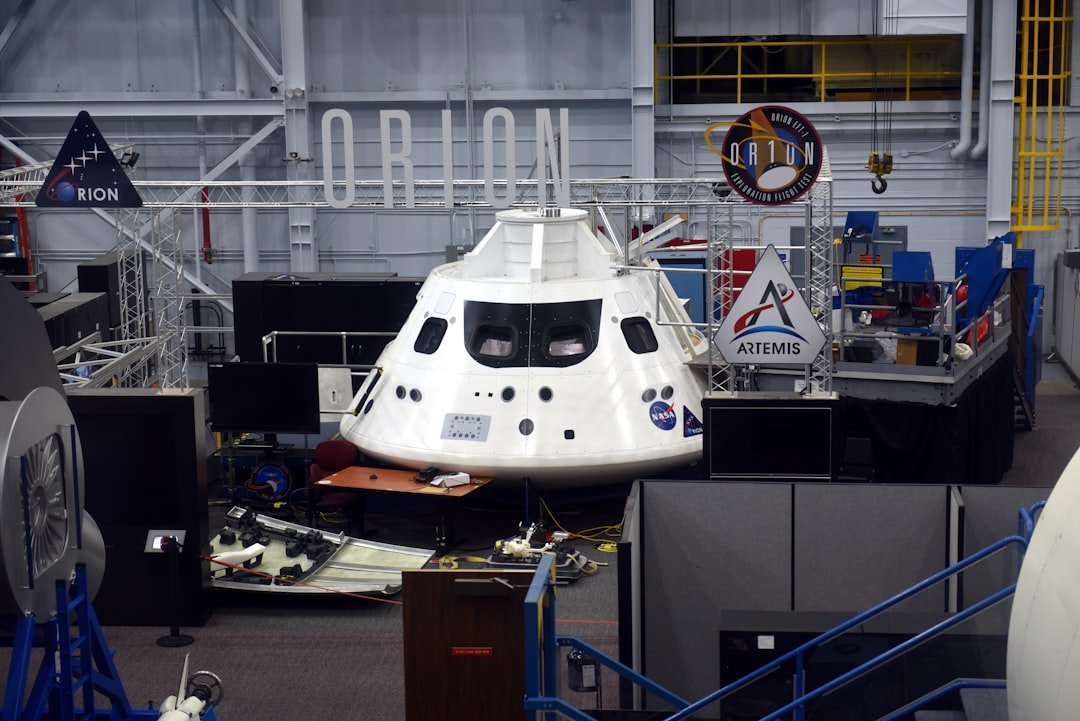
After the uncrewed Artemis I mission in November 2022, NASA engineers identified unexpected erosion of the Orion spacecraft’s ablative heat shield following atmospheric reentry. Post-flight inspections found areas of char loss in the AVCOAT ablative heat shield material, where portions eroded more extensively than predicted by preflight models. NASA reported that temperatures inside the crew module remained within design limits, but the unanticipated behavior prompted further investigation.
Heat built up in the outer layer of the Avcoat ablative material, which led to gases getting trapped inside the heat shield and internal pressure building up. That led to cracking and uneven shedding of the outer layer as the spacecraft followed a “skip return” trajectory, dipping in and out of the atmosphere.
The updated timeline for the Artemis II flight was also informed by technical issues engineers were troubleshooting, including an Orion battery issue and its environmental control system. Launches were called off in both February and March 2026 due to hydrogen leaks and other problems. Artemis II ultimately launched on April 1, 2026, at 6:35 p.m. Eastern Time.
The Spacecraft Named Integrity
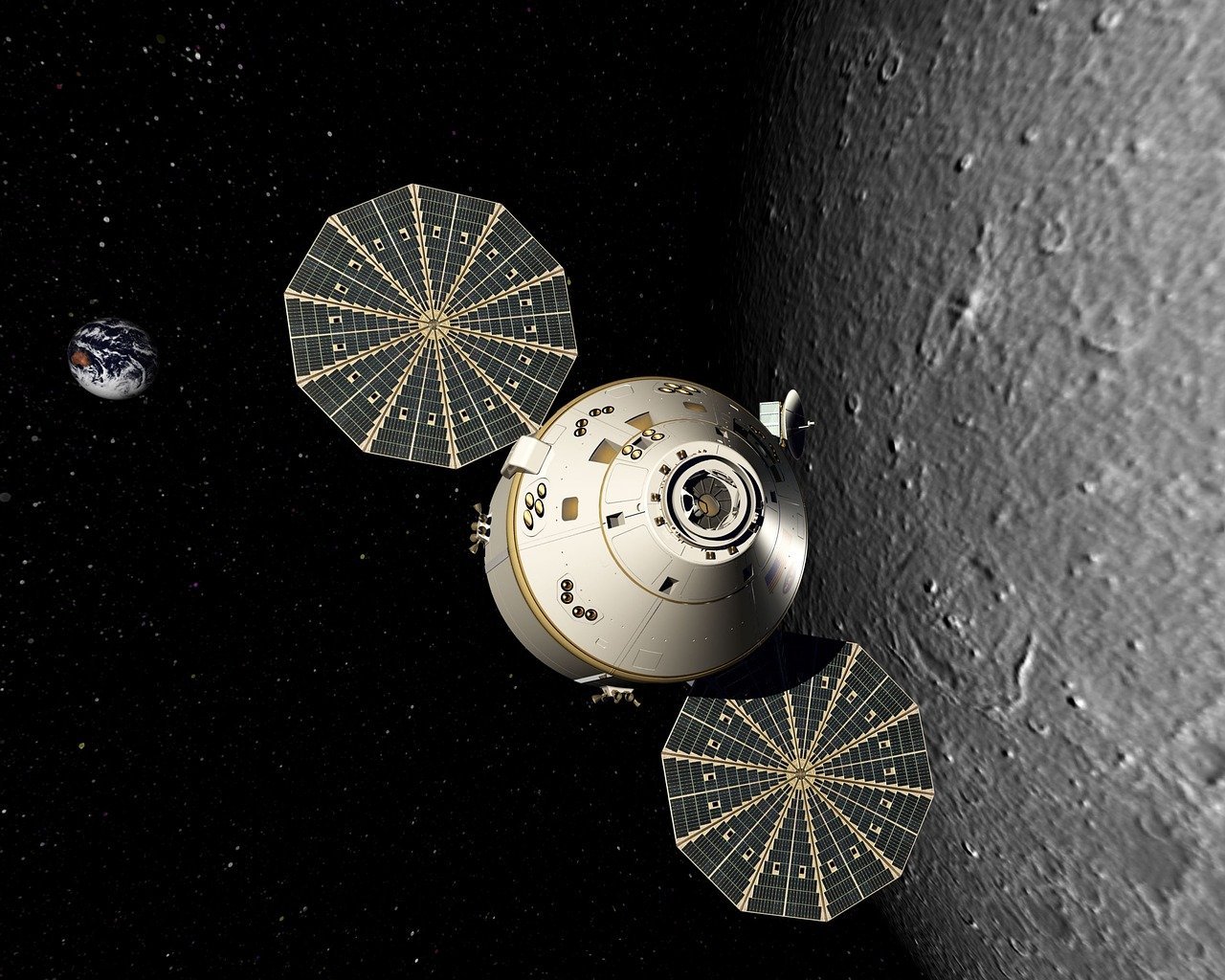
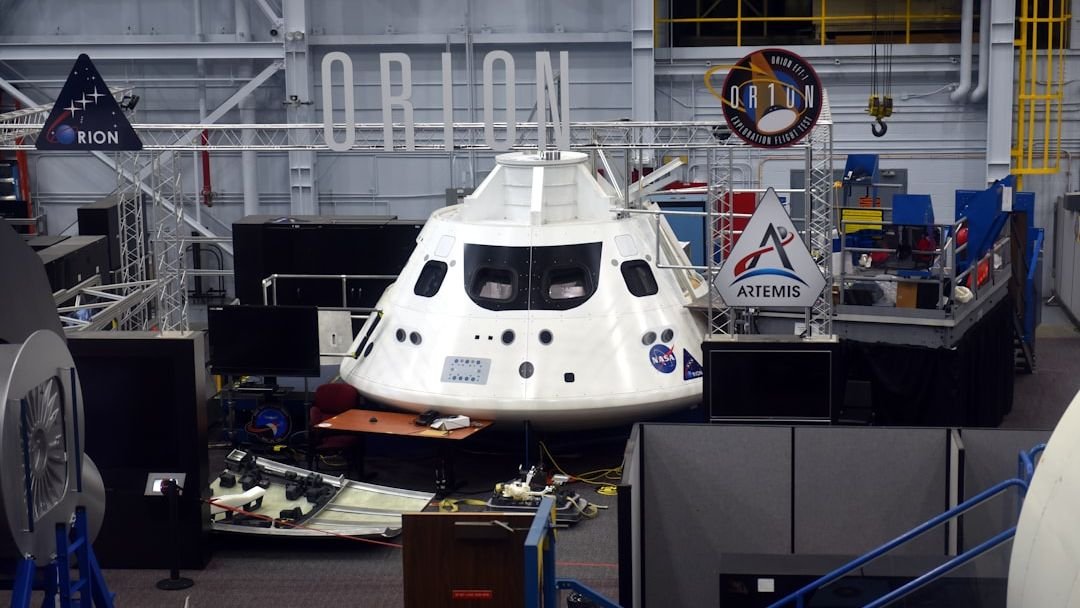
During the first day in space, the astronauts and teams on the ground checked out the spacecraft, named Integrity by the crew, to confirm all systems were healthy ahead of the transit to the Moon. The name was a quiet but deliberate choice by a crew that had watched safety concerns delay their mission for years.
The crew tested the spacecraft’s life support systems, confirming Orion can sustain humans in deep space. During several piloting demonstrations, crew members took manual control of the spacecraft, flying Orion to validate its handling and collect data that will guide future rendezvous and docking operations. The crew completed a series of tests including evaluations of emergency equipment, procedures, the Orion crew survival system spacesuits, and other critical spacecraft systems.
The Communications Blackout: Cut Off from Earth
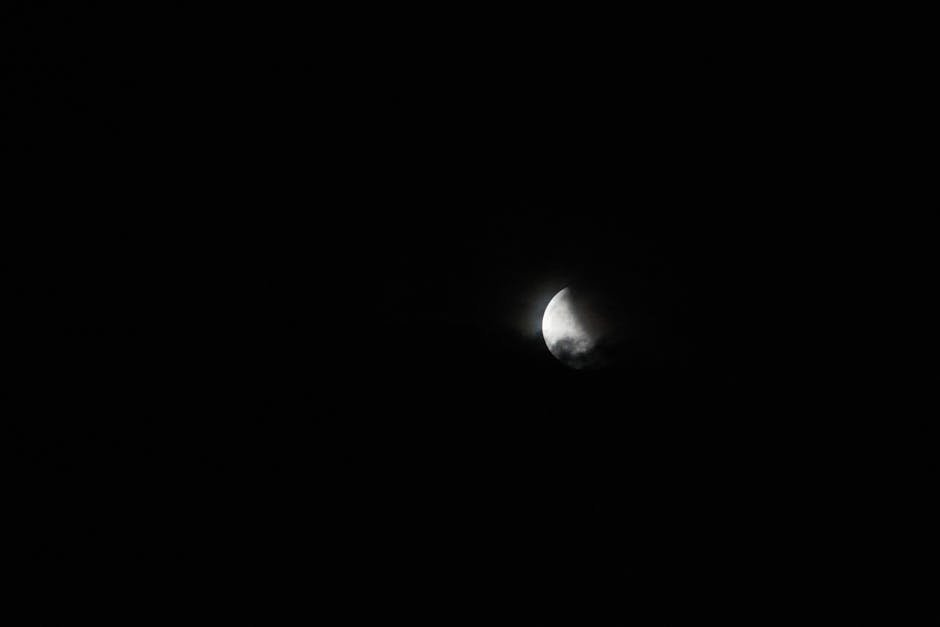
One of the blackout periods occurred during the roughly 40-minute stretch when the crew was traveling closest to the Moon’s surface as they ventured to the lunar far side, blocking data from transmitting to or from Earth. Mission Control went silent. For the astronauts, it was one of the most anticipated moments of the entire mission.
Similar blackouts had occurred during the Artemis I and Apollo missions and are expected when using an Earth-based communications system. Once Orion emerged from behind the Moon, the Deep Space Network quickly reacquired the signal and restored communications with mission control.
The astronauts knew they had reached a milestone as the Orion spacecraft flew behind the Moon, causing the expected communications blackout. The crewmates were busy with their science observations but, as soon as communications dropped, they gathered together to have celebratory maple cream cookies, courtesy of Canadian Space Agency astronaut Jeremy Hansen, to honor the surreal moment. Then it was straight back to work.
First Human Eyes on the Far Side
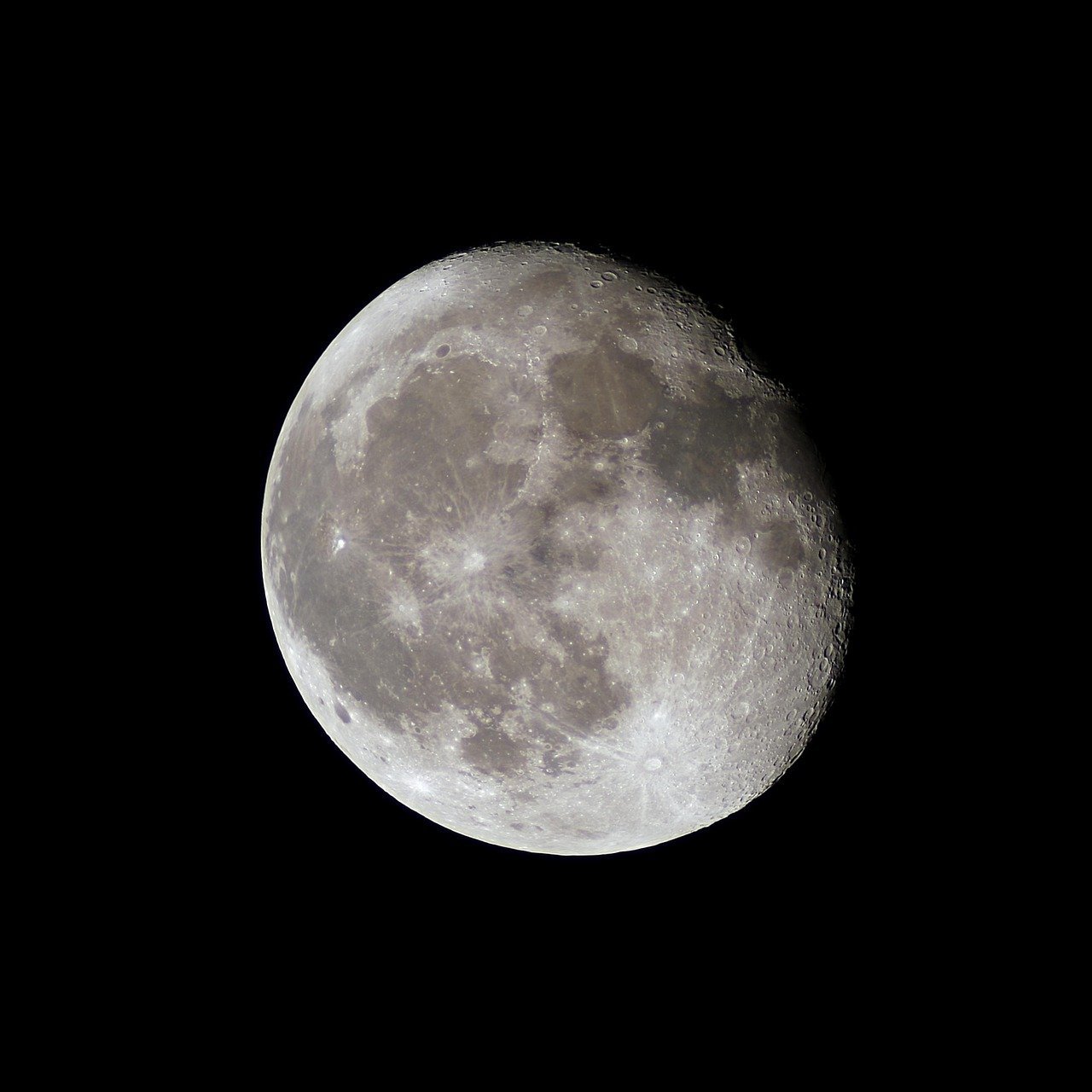
After a historic lunar flyby that carried four astronauts farther from Earth than humanity has ever been, the Artemis II crew sent home spectacular photos of the far side of the Moon. The images include Earth peeking over the limb of the Moon, both setting and rising again; a rare in-space solar eclipse; and high-resolution images of the geology of the far side, heavily pocked with craters that are comparatively absent on the near side.
This was the first time humans had seen the Moon’s Orientale basin, according to NASA. The science team sent the crew the final list of 30 lunar surface targets, including the Orientale basin, a nearly 600-mile-wide crater that straddles the Moon’s near and far sides. This 3.8-billion-year-old crater formed when a large object struck the lunar surface and retains clear evidence of that collision, including dramatic topography in its rings.
The lunar far side is a region of intense scientific interest precisely because it is so different from the near side. The near side is partially covered by large, flat, dark plains of volcanic basalt that seeped from below the lunar surface millions of years ago. The far side, by contrast, has very little basalt resurfacing and is heavily scarred by craters. The reason for this difference is a mystery that scientists have yet to solve.
The Meteoroid Impact Flashes
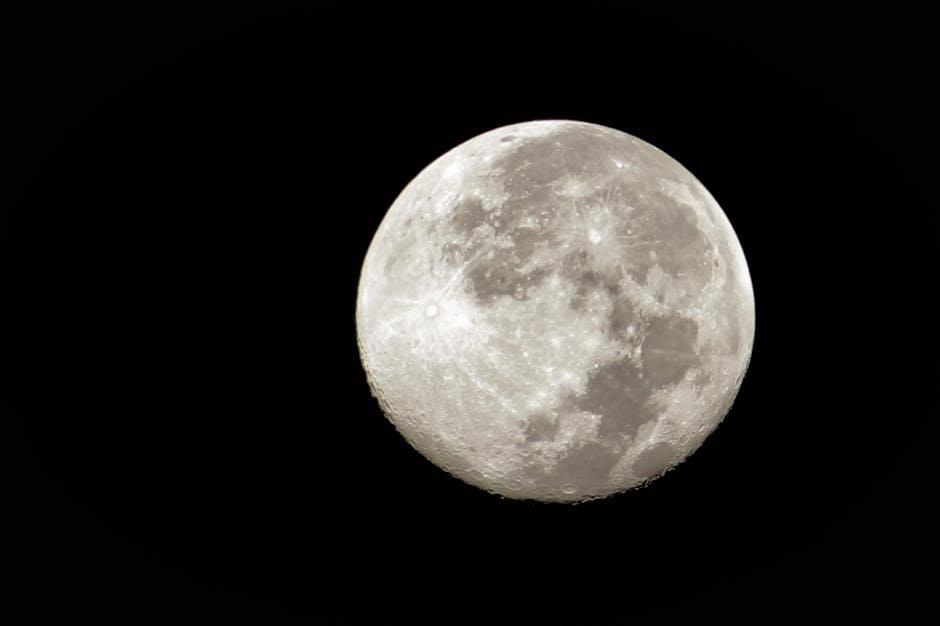
The crew became the first humans to see certain parts of the Moon in full with the naked eye and photograph them directly. As their spacecraft Integrity whisked around the Moon, coming within 6,545 kilometers of the lunar surface, the crew witnessed the flashes of several meteoroid impacts on the Moon’s dark side, an Earthset foregrounded by the Moon, and a solar eclipse.
The crew reported six meteoroid impact flashes on the darkened lunar surface. The fact that meteoroids smashed into the nearside of the Moon was good news for researchers. As lunar scientist Kelsey Young reminded the crew, citizen scientists on Earth are currently monitoring the Moon for impact flashes.
While NASA has photos of the Moon from satellites such as the Lunar Reconnaissance Orbiter, experts told NPR that the ability for humans to observe parts of the Moon for the first time and relay details in their own words is vital to lunar understanding. The human eye catches nuances that instruments sometimes miss.
A Solar Eclipse No Human Had Ever Seen
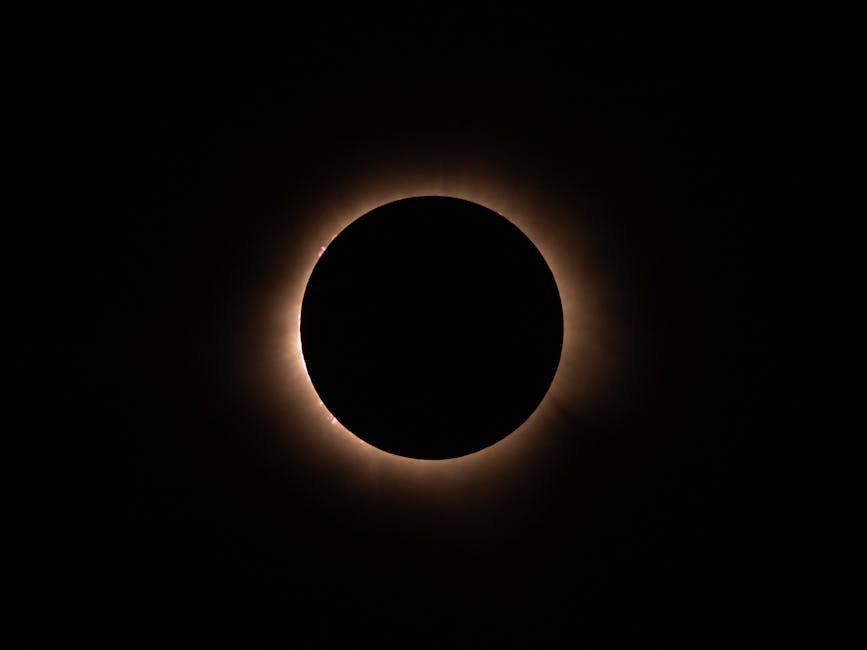
In a rare opportunity not experienced since the Apollo era, the Artemis II astronauts spent about an hour enjoying a total solar eclipse from their perspective in the Orion spacecraft. They were able to photograph and observe the Sun’s outer atmosphere and see stars, planets like Venus, Mars, and Saturn, and the glow of Earth.
From the crew’s perspective, the Moon appeared large enough to completely block the Sun, creating nearly 54 minutes of totality and extending the view far beyond what is possible from Earth. A glowing halo appeared around the dark lunar disk. The science community is investigating whether this effect is due to the corona, zodiacal light, or a combination of the two.
By blocking the powerful light from the Sun, the eclipse revealed part of the Sun’s extended atmosphere called the corona. This diffuse atmosphere is more than a million times fainter than direct sunlight. When the Moon blocked the Sun, the astronauts could clearly see the corona extending out far into the solar system. Nothing in training had quite communicated the scale of it.
More Than 7,000 Images and What Comes Next
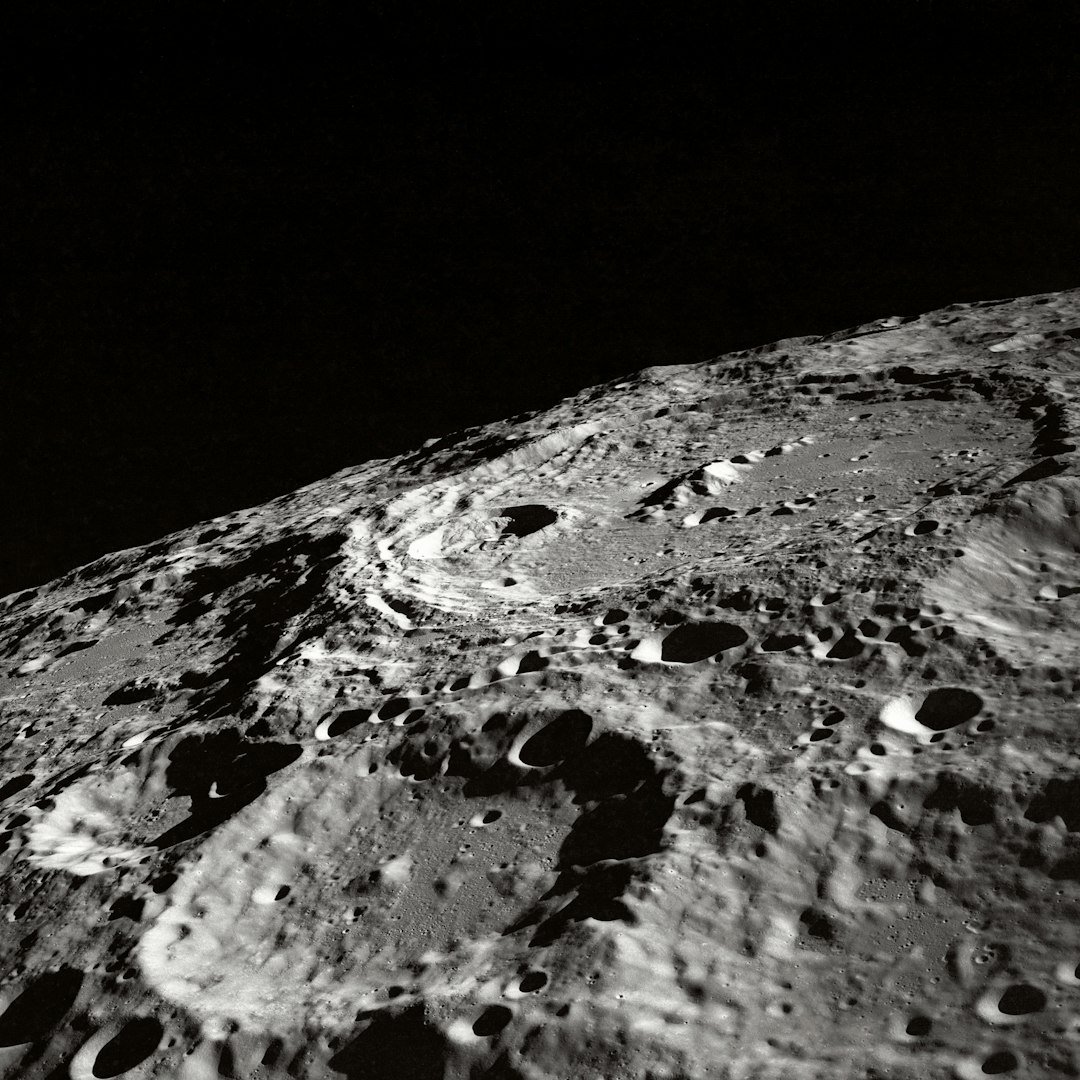
During the April 6 lunar flyby, the astronauts captured more than 7,000 images of the lunar surface and a solar eclipse. The imagery includes striking views of Earthset and Earthrise, impact craters, ancient lava flows, the Milky Way galaxy, and surface fractures and color variations. They documented the topography along the terminator, where low-angle sunlight casts long shadows across the surface, creating illumination conditions similar to those in the South Pole region where astronauts are scheduled to land.
Two small craters near the Orientale basin were named by the Artemis II astronauts during the mission: Integrity, named after the crew’s nickname for the Orion spacecraft, and Carroll, after astronaut Reid Wiseman’s late wife. A small, human gesture written permanently into the Moon’s surface.
The next stage of the program, Artemis III, is currently scheduled for 2027. It will take place closer to Earth, launching crew in the Orion spacecraft on the Space Launch System rocket to low Earth orbit to test rendezvous and docking procedures with commercial spacecraft intended for future lunar landing operations. Artemis IV is currently targeted for early 2028, with NASA aiming for a crewed landing near the Moon’s south pole, where astronauts would conduct science observations and collect samples.
Conclusion
The phrase “anomaly” might suggest something went wrong behind the Moon. Nothing did. What happened was rarer than a malfunction: four human beings witnessed things that had never been witnessed before, reported them in real time to scientists who reacted with visible awe, and brought back evidence precise enough to inform missions for the next decade.
The Artemis II astronauts observed parts of the Moon humans had never seen before. Their findings provide a scientific baseline, and a sense of wonder, for future missions. The “anomaly,” if you want to call it that, is simply this: the universe was more astonishing up close than anyone had words for.
That may be the most honest thing any space mission has ever brought back to Earth.