

There’s a version of the side hustle story that’s everywhere right now. You build one digital product, post it online, and wake up to earnings while you slept. Influencers frame it as practically inevitable. The math sounds clean. The lifestyle looks freeing.
The reality, for most people, looks quite different. Behind the promise of passive income sits a surprising amount of active work, and the data from recent years backs this up with more nuance than the motivational posts let on.
The Scale of the Side-Hustle Economy Is Genuinely Large
The numbers are hard to ignore. The global gig economy was valued at roughly $556.7 billion in 2024, and with a compound annual growth rate of around sixteen percent, it’s projected to reach $2.15 trillion by 2033. That’s not a niche trend. It’s a structural shift in how work gets done.
Nearly two in five Americans, around 38 percent, have a side hustle, though that number is down from 44 percent in 2022. The global gig economy is valued at $674 billion as of 2026, and side hustle participation in the U.S. dropped sharply in 2025, hitting its lowest level since 2017 after several years of decline.
U.S. Bureau of Labor Statistics data shows that 8.9 million Americans are working multiple jobs, representing 5.4 percent of employed workers, the highest figure since the Great Recession. The side hustle economy is real, active, and still growing globally, even if American participation has modestly cooled.
The Passive Income Myth: What the Median Actually Tells You
The average side hustle income in 2025 is $885 per month, but the median is just $200, revealing a wide gap between casual side hustlers and top earners. This is not a small discrepancy. It means the headline average is being pulled upward by a relatively small number of high earners.
The average side hustle brings in $1,122 a month, but the median income is much lower, just $200 a month. That means many side hustlers are at the lower end of that earning spectrum, and in recent survey data from Side Hustle Nation, half of all respondents reported making less than $100 per month.
Only 8 percent of side hustlers make more than $2,000 a month. The viral stories of full-time income replacement are real, but statistically rare. Most people launching a “passive income stream” end up somewhere well below that threshold, at least initially.
The Time Reality: How Many Hours This Actually Takes
If a side hustle were truly passive, the time question would be irrelevant. It isn’t. In most cases, side hustles aren’t passive income. They involve a major time commitment, which can be a real challenge. While 19 percent of side hustlers say they spend fewer than five hours a week on their hustles, 45 percent say they spend at least 10 hours a week.
The average person with a side gig works an additional 13 hours per week. Over a lifetime, this adds up to more than a decade of additional full-time work. That’s a sobering reframe. What gets marketed as “a few extra hours here and there” can compound into something closer to a second career.
Thirteen percent of people devote more than 30 hours a week to their side hustle. At that level, calling it a “side” anything starts to feel dishonest. The average side hustler spends 11 to 16 hours a week on their business, which, when combined with average earnings, works out to roughly $16 to $23 an hour.
Burnout Is the Side Hustle Economy’s Quiet Epidemic

According to data from sidehustles.com, 67 percent of side hustlers say their additional work leads to burnout, and more than half believe that burnout is only worth it if they earn over $500 a week. Most side hustlers, based on the median income figures, are nowhere near that threshold.
According to a 2024 report by Deloitte, over 61 percent of gig workers reported symptoms of burnout, ranging from fatigue and anxiety to reduced performance and health issues. While extra income is appealing, it often comes at the expense of sleep, social life, and mental health.
Managing time is a challenge for nearly one in three side hustlers, who struggle to balance business tasks with other commitments. This issue is linked to burnout, with one in five small business owners experiencing it frequently and over half facing it occasionally. Only about 7.67 percent reported never feeling burnout. That’s a striking number. The majority of people running a side operation know what exhaustion from it feels like.
The Economic Pressure Driving People Toward Side Hustles

A 2025 LendingTree survey found that 61 percent of side hustlers say their lives would be unaffordable without their side hustle income. Those earning less than $30,000 a year, millennials ages 29 to 44, parents of young kids, and women are among the most likely to agree.
Since March 2006, the nominal average weekly wage in the U.S. has risen by 82 percent, but once adjusted for inflation, that same wage only grew by about 12.7 percent in real terms. Over nearly two decades, a nominal pay increase of $564 per week translated to a real purchasing power increase of just $141 per week. This long-term pressure on real wages helps explain why so many Americans feel the need to supplement their primary income.
SurePayroll found that nearly a third of workers say the state of the economy in 2025 has made them more interested in launching a side hustle, lining up with survey data showing that the same proportion of Americans cite inflation and cost of living as their top financial concern. For many people, this isn’t ambition driving them. It’s arithmetic.
The Illusion Sold by Influencer Culture

Most side hustles are pitched with unrealistic expectations. People are promised quick cash, passive income, or a six-figure exit, but not told about the steep learning curve, upfront investment, or how long it takes to build momentum. Social media content is structurally designed to showcase the outliers.
Many people fall into the trap of spending before earning, buying software, paying for courses, or building websites without validating the business model. Months later, they have receipts but no revenue. The course-selling economy has created an entire industry built on selling people the tools for income they may never generate.
Many side hustles aren’t businesses. They’re gigs. They depend entirely on your time. The minute you stop working, the money stops flowing. That’s the core structural problem with calling anything a “passive income stream” when it requires daily or weekly attention to stay alive.
The Gender Gap Nobody Talks About
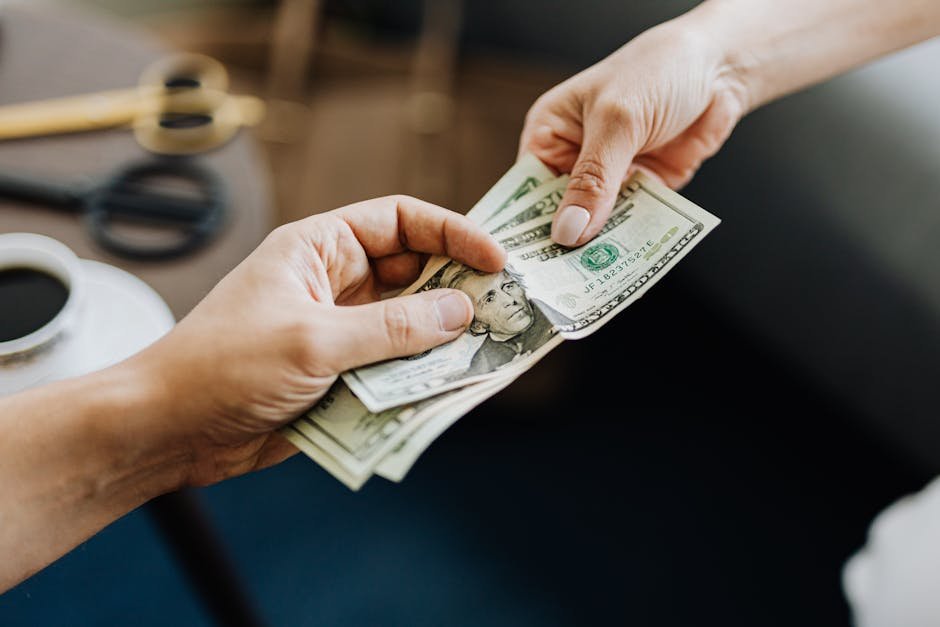
The side hustle economy doesn’t treat everyone equally. Men report earning more than double what women say they earn from side hustles, an average of $1,580 per month versus $749. That’s not a small gap. It mirrors and in some cases amplifies existing labor market inequalities.
Men earn more from side hustles than women, with an average monthly income of $1,195 versus $611 and median earnings of $247 versus $148. The median figures are particularly telling because they strip out the distortion of high earners, and the disparity still holds.
The majority of women would struggle financially without their side hustle, and things aren’t much better for men. More than half of male side hustlers also agree they would struggle financially without the extra income. The dependency is broad, but the earnings and the safety net are not evenly distributed.
When Platforms Promise Freedom but Deliver Something Else

App-based side hustles were supposed to democratize earning. The reality has been more complicated. Behind the promise of flexibility and freedom, many gig economy apps operate in ways that prioritize profit over people. Platforms like Instacart, DoorDash, and TaskRabbit have been accused of using algorithmic manipulation to reduce visibility, suppress pay, and push workers into accepting jobs they wouldn’t choose under fair conditions. In 2025, this exploitation has become more sophisticated and harder to detect.
According to a study from Mental Health America, 47 percent of gig workers say they feel pressure to be available 24 hours a day, especially those in freelance or app-based roles. This pressure can lead to burnout not just physically, but emotionally. The fear of missing opportunities or losing clients creates a constant state of tension.
Uber and Instacart drivers report the highest burnout rates at 74 percent, despite promises of flexible scheduling. Flexibility and exhaustion are not mutually exclusive, and for a significant portion of gig workers, they come as a package deal.
What Genuine Passive Income Actually Requires

There are income streams that do become genuinely low-effort over time, but they almost always require significant upfront work or capital. With interest rates stabilizing, the Federal Reserve holding rates at 4.25 to 4.5 percent in late 2024, dividend stocks attract investors seeking steady payouts. That’s a real income stream, but it requires existing capital to make it meaningful.
Most side hustles start as active, trading time for money. The smartest side hustlers in 2025 are building assets that pay them while they sleep. Building those assets, a course, a content library, a portfolio of rental properties, takes months or years of consistent active labor first.
Success doesn’t happen in a single viral post or overnight launch. It comes from showing up, adjusting, and staying in the game long enough to see knowledge and efforts compound. The word “passive” in passive income refers to the endpoint of a long active journey, not the process of getting there.
The Smarter Way to Think About Extra Income in 2026
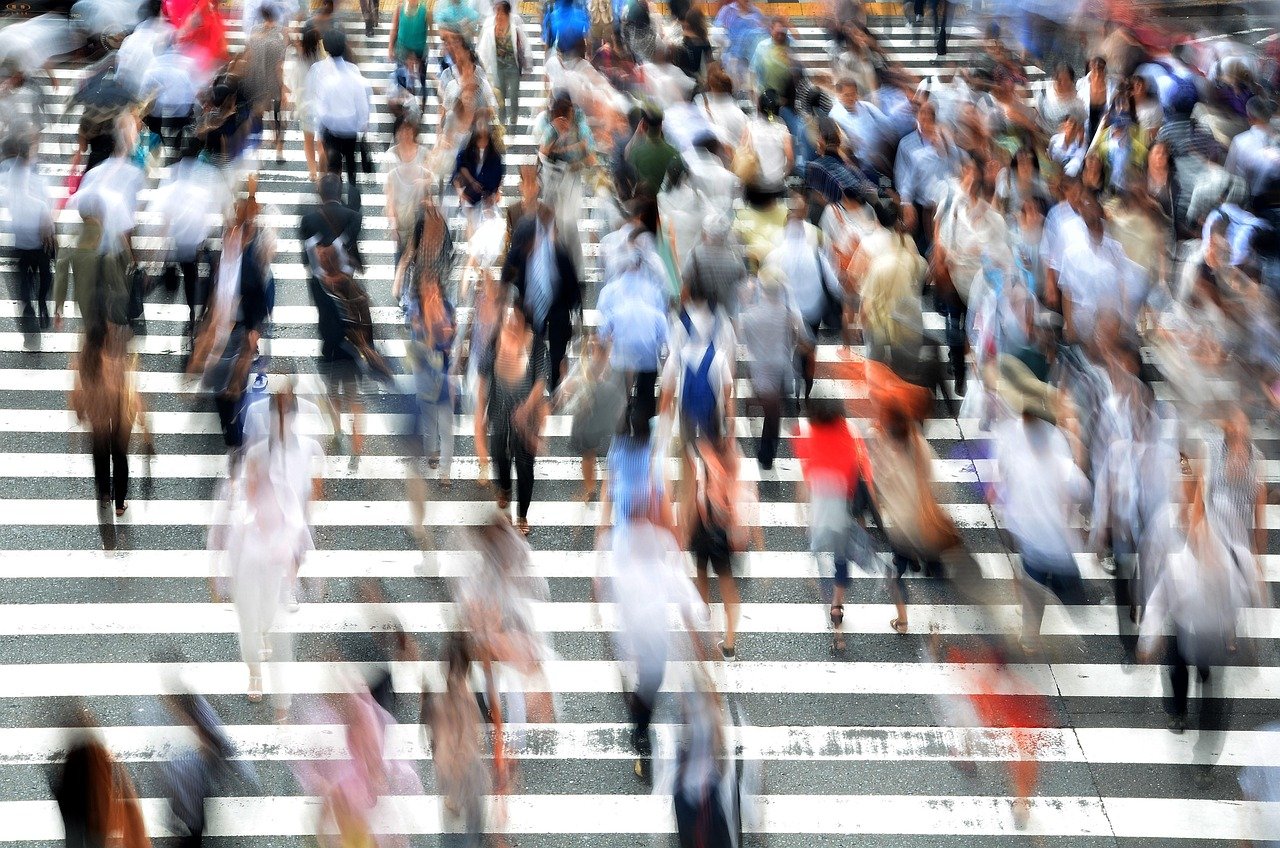
According to a 2026 survey from The Penny Hoarder, 57 percent of Americans with a side hustle have two or more side gigs simultaneously. That’s not passive income. That’s portfolio employment, and it requires active management across multiple fronts.
More side hustlers than ever are taking on extra jobs not because they need to, but because it funds discretionary expenses, with roughly four in ten side hustlers using their side gig to finance voluntary purchases, outpacing financing living expenses, paying down debt, and boosting savings. That’s a healthier posture. It suggests people are increasingly treating side income as a supplement rather than a lifeline.
The top reason people don’t have a side hustle is a lack of time, cited by nearly 44 percent, followed by a lack of the right skills at around 35 percent. These are honest answers. They also hint at the most realistic framing: a side hustle is a genuine commitment, not a vending machine. The people who do well with it tend to be the ones who go in knowing that.
The side hustle conversation needs a more honest middle. Yes, real income is possible. Yes, some people do reach a point where their digital products or investments generate meaningful earnings with limited daily effort. But the road there runs through real work, real time, and real risk. Calling something passive before you’ve built it is less a strategy and more a hope. The data, at this point, is pretty clear on that distinction.