


Something quiet has been happening to the way we think. It didn’t arrive with a warning. It crept in through a phone screen, a swipe, a brief video about something mildly entertaining, and then another, and then fifty more. Before long, sitting still felt uncomfortable. Reading a full article felt like effort. The attention economy isn’t a conspiracy theory or a tech-world abstraction. It’s a measurable, documented shift in how human beings now spend their mental lives.
Theoretical concepts like the “attention economy” explain how digital platforms are designed to capture and retain users’ attention, often reinforcing compulsive behavior. The stakes are real, and the research is growing. Understanding what’s actually happening inside the brain, and what you can do about it, is increasingly one of the more practical things a person can do in 2026.
What the Attention Economy Actually Means

The term sounds economic because it is. Your attention is a resource, and platforms trade it like a commodity. Every second you spend on a feed generates data, impressions, and advertising revenue for companies whose survival depends on maximizing that time. Platforms are designed to maximize attention and time spent, using algorithms that recommend content not based on social connections, but through data attraction models that analyze previous user behavior.
TikTok’s screen time dominance isn’t accidental. The platform is engineered to hold attention longer than any competitor. The For You Page algorithm learns what holds your attention, not what you say you like. Every swipe, pause, rewatch, and share is training data. The algorithm doesn’t care about your stated preferences. It cares about revealed behavior.
The Numbers Are Harder to Ignore Than You’d Expect
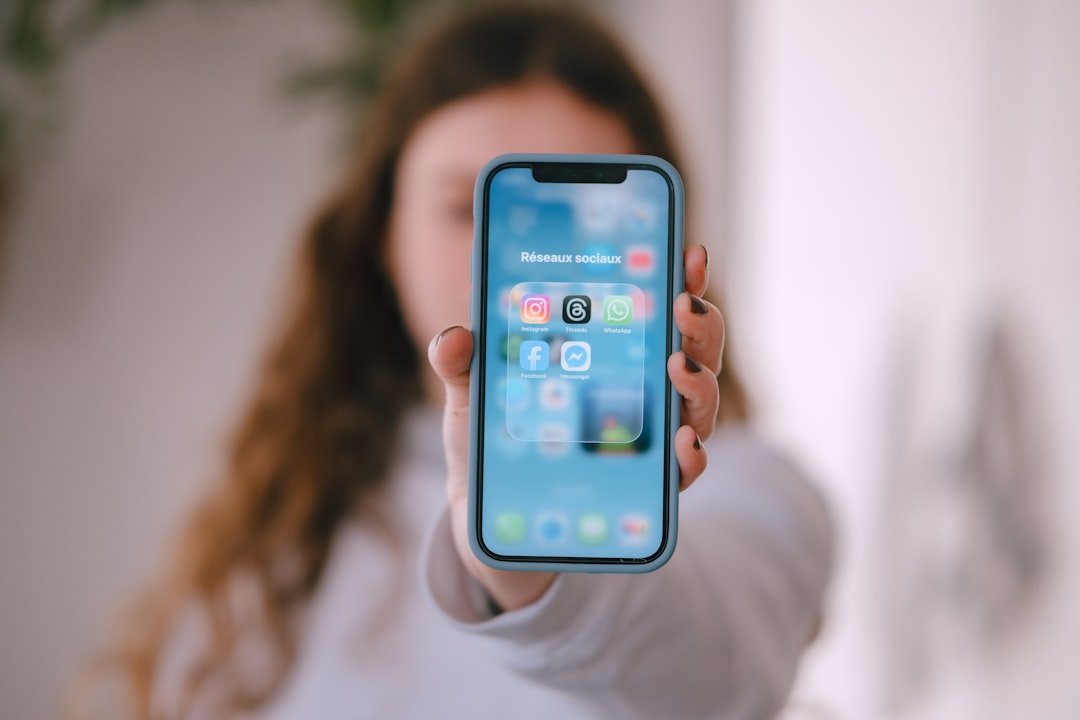
Globally, the average time spent on TikTok is 95 minutes per day, more than any other social network. That’s not a fringe behavior. The average person spends about 34 hours per month on TikTok – almost a full work week watching short videos.
Most users open the app at least 19 times a day, and unlike the quick glances given to other social platforms, people stay on TikTok for almost 11 minutes per session. Young people spend an average of 4.8 to 5.8 hours per day on social media, with children spending an average of up to 2 hours per day on TikTok. These aren’t flukes. They reflect a system working precisely as intended.
What Short Videos Do to the Brain’s Reward System
Short-form videos work by giving the brain fast, frequent bursts of dopamine, the chemical that supports reward and motivation. When the brain constantly receives these tiny rewards, habits start to form. Each swipe becomes a signal that something new and exciting might be waiting, which trains the brain to keep checking for the next hit.
Short, emotionally stimulating and rapidly changing videos stimulate the dopamine pathways and evoke feelings of reward. The pattern of high arousal and gratification is consistent with incentive salience theory, which describes how repeated exposure to rewarding content increases the brain’s drive to “want” without a corresponding increase in genuine “liking.” In plain terms: you keep scrolling not because you’re enjoying it, but because your brain is chasing a hit it rarely quite gets.
The Shrinking Attention Span Problem

People are more distracted than ever, and most people today can’t concentrate on a single screen for more than 47 seconds – while recovering from an interruption can take almost half an hour. Research at UC Irvine first began tracking how long people pay attention to a single screen more than 20 years ago, at the dawn of the digital revolution. Back then, the number was two-and-a-half minutes.
Research shows a clear pattern: heavy short-form video use is linked to weaker attention, reduced focus, and more difficulty staying on task. A large meta-study of nearly 100,000 people found that frequent users scored lower in attention, inhibitory control, and working memory. This neuropsychological pattern, characterized by impulsivity, preference for novelty, low tolerance for delayed gratification, and difficulty maintaining attention, has been colloquially termed “TikTok brain.”
The Hidden Cost of Every Interruption

Gloria Mark, who researches digital distraction at the University of California, Irvine, discovered in her research that it takes over 23 minutes to fully regain focus on your original task after an interruption. That number compounds quickly. Every casual scroll break, every notification check, every quick clip that turns into twenty – each one resets the clock.
Research from UC Irvine finds that people spend an average of 47 seconds or less on a task before self-interrupting. The implications for anyone trying to do serious thinking, creative work, or even meaningful conversations are significant. Distractions don’t just affect output, they damage mental health by preventing deep focus, which is crucial for psychological well-being. When you can’t get “in the zone,” stress levels rise. You feel busy, but not productive, leading to feelings of frustration, anxiety, and helplessness.
Young People Carry the Heaviest Load

Excessive use of digital social media may affect the normal development of the adolescent brain and even impair attention, memory, and learning abilities. Research found a negative correlation between hours spent on short videos and academic achievement in secondary school students, with students who had more daily TikTok viewing time tending to have lower exam scores.
Many observers worry that exposure to short-form media may be “killing” attention spans, a phenomenon colloquially dubbed “TikTok Brain.” Reports from educators and parents describe teens struggling to focus in class or during prolonged tasks, behavior changes often attributed to constant stimulation from social media scrolling. The total daily screen time of Generation Z reaches 9 hours. That’s a generation spending the majority of their waking hours in a state of fragmented attention.
The Brain Isn’t Broken, But It Is Adapting
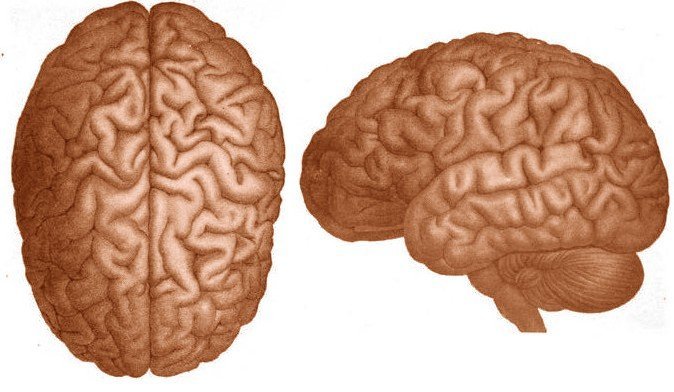
Neuroimaging evidence shows disrupted connectivity in networks governing executive function, salience, and reward processing, namely the prefrontal cortex and striatum. These changes suggest heightened reward sensitivity and compromised self-regulation, reinforcing behavioral observations of reduced attention stability.
Over time, this leads to hedonic adaptation: users require increasingly novel or extreme content to achieve the same emotional impact, mirroring behavioral addiction processes. The brain isn’t passive here. It’s doing exactly what brains do: adapting to the environment it lives in. Your brain isn’t decaying or permanently damaged, and watching TikTok doesn’t destroy brain cells. The shifts are real, but so is the brain’s capacity to change course.
Practical Tools That Actually Work
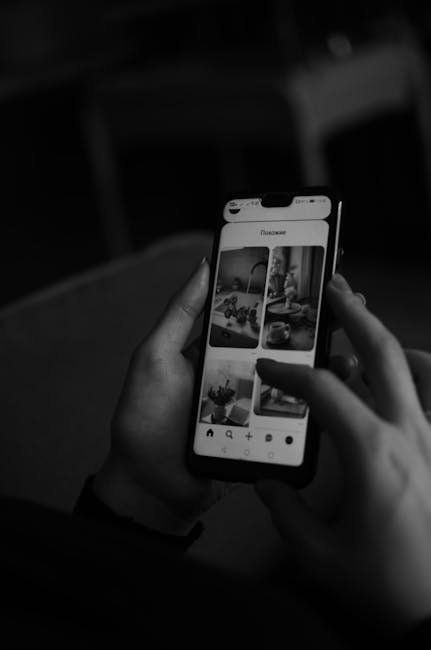
Research interventions have directed participants to change their smartphone’s color setting to grayscale mode, turn off social media notifications, remove social media icons from the smartphone home screen, and place the device away from their bed when sleeping. Results revealed a reduction in both smartphone and social media use, reduced allure because of grayscale mode, and general improvements in sleep, face-to-face interactions, and overall well-being.
Research combined app time limits and downtime features as active nudges, while grayscale mode was used as a passive nudge. The passive nudge led to an immediate and substantial reduction in objectively measured screen time compared to the control group. Small, friction-adding changes to your phone environment can produce real, measurable differences in behavior. Reintroducing long-form content like podcasts, articles, or longer videos back into your routine can help retrain your attention span and reduce the need for instant dopamine hits.
Reclaiming Your Brain Is a Practice, Not a One-Time Fix
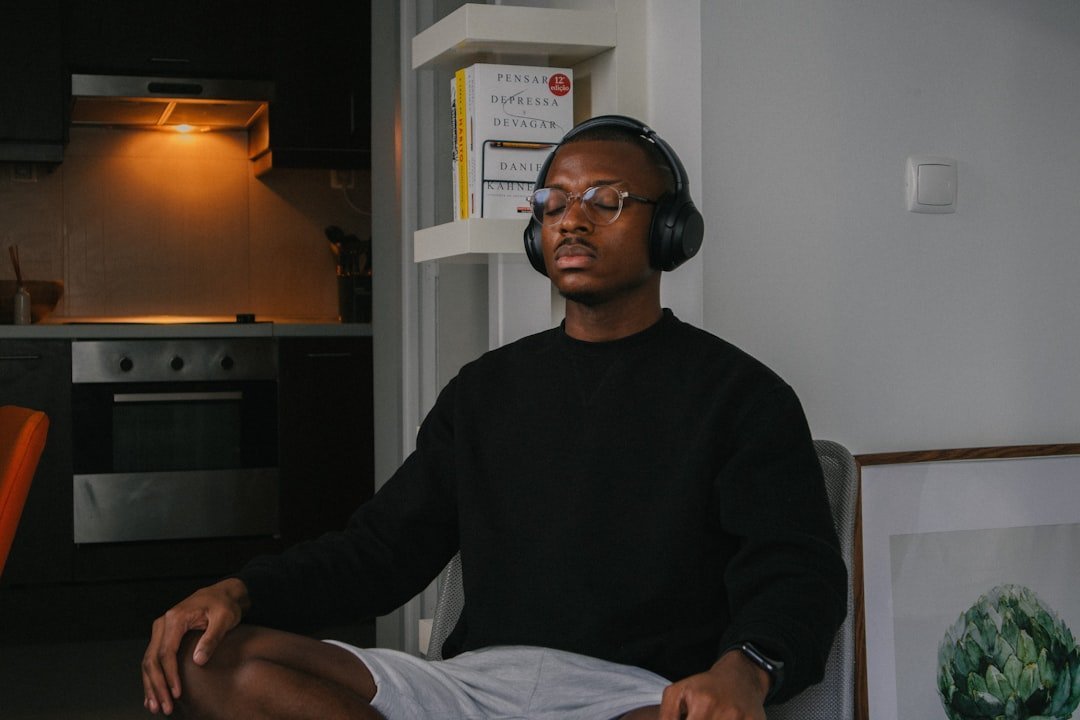
The good news is that it’s not too late to reclaim your attention span and find your focus – and going cold turkey or ditching your phone entirely isn’t necessarily the right approach. Studies show that planned “attention shifts” at natural stopping points allow the brain’s default-mode network to consolidate information and restore focus capacity. The distinction between deliberate recovery and involuntary fragmentation is critical: one strengthens the attention system, while the other degrades it.
Mindful scrolling, where you pause between videos and stop once you notice mental fog or restlessness, can help. Rather than quitting cold turkey, short breaks during the day, tech-free mornings, or screen-free hours before bed are more realistic and sustainable approaches. The goal isn’t to become a digital hermit. It’s to stop being a passive participant in a system that was never designed with your cognitive health in mind.
Conclusion

The attention economy is not going to dismantle itself. Platforms are profitable precisely because they’ve solved the puzzle of keeping you scrolling, and the algorithms will only get sharper. What’s changed is our understanding of what’s actually happening – not just culturally, but neurologically.
The research is clear enough that informed choices are now possible. Turning off notifications, switching to grayscale, setting hard limits on apps, and simply protecting chunks of uninterrupted time are not dramatic gestures. They’re small acts of recalibration. What we pay attention to shapes what we think, create, and remember. In a world designed to fragment all three, guarding your focus might be one of the more consequential decisions you make this year.