


Every month, without fanfare, the sky goes dark. The new moon arrives and leaves no trace – no glow, no pull on the eye. For most people, it passes unnoticed between scroll sessions and notifications. Yet for a growing number of people who are quietly fed up with their screen habits, this moment of cosmic quiet has become something worth paying attention to.
The idea of using the new moon as a starting point for a digital detox isn’t mysticism dressed up in wellness language. It sits at an honest crossroads of behavioral psychology, sleep science, and a genuine cultural hunger for something less saturated. The research is worth understanding – and the timing, as it turns out, might matter more than you’d think.
The Scale of the Problem We’re Not Talking About Enough

There’s a gap between how much time most people think they spend on screens and how much they actually do. The average American spends over five hours per day on their phone – or more. When you add laptops, tablets, and televisions to that number, the total climbs well past six hours for most adults.
A recent Pew Research Center study found that roughly a quarter of adults report being online “almost constantly,” with younger generations exceeding that rate. That’s not casual use – that’s a condition that shapes mood, attention, sleep, and the texture of daily life.
According to a 2024 survey of two thousand consumers in Germany, about 84% of phone users between the ages of 18 and 24 feel overburdened, and another 55% of users under 45 feel they are spending more time on devices than they did the previous year. The awareness is there. The change, for many, is not.
What Heavy Screen Use Actually Does to the Mind

Excessive screen time is linked to a notable increase in anxiety and depression symptoms in young adults, according to research published in the Journal of Social and Clinical Psychology in 2023. These aren’t mild or easily dismissed effects. They’re patterns that accumulate quietly over months and years.
Too much screen time can lead to negative mental health outcomes and take time away from more important activities, such as exercise, social encounters, and hobbies, according to psychology researchers studying how technology affects human happiness. The displacement effect – trading real life for screen time – rarely announces itself. It just happens, gradually.
Social media withdrawal can feel much like withdrawal from any other habit, often bringing with it feelings of irritability, mood swings, frustrations, boredom, and decreased levels of inspiration. That discomfort is real and worth acknowledging. It also passes.
The Science Behind the Fresh Start Effect

Behavioral psychology has a name for what happens when people use a symbolic date to change a habit: the fresh start effect. Research by Dai, Milkman, and Riis revealed that people are significantly more successful in acting on their good intentions when they choose certain times or dates to mark a fresh start. The mechanism is genuine, not just motivational folklore.
The psychology behind fresh starts is rooted in the idea that people often view new beginnings as an opportunity to distance themselves from past failures. This can lead to a psychological reset, with individuals experiencing a renewed sense of optimism and motivation. The fresh start effect is also associated with temporal landmarks, which serve as points of reference that people use to organize their lives and set goals.
New Year’s effects are bigger and last longer than Monday effects, but Monday still beats Tuesday – and so on. Research found that “the first day of Spring” made a better time to change habits than “the third Thursday of March” – despite being exactly the same date – because people perceive it differently. The new moon, recurring monthly, offers that same symbolic weight on a far more accessible cycle.
Why the New Moon Specifically
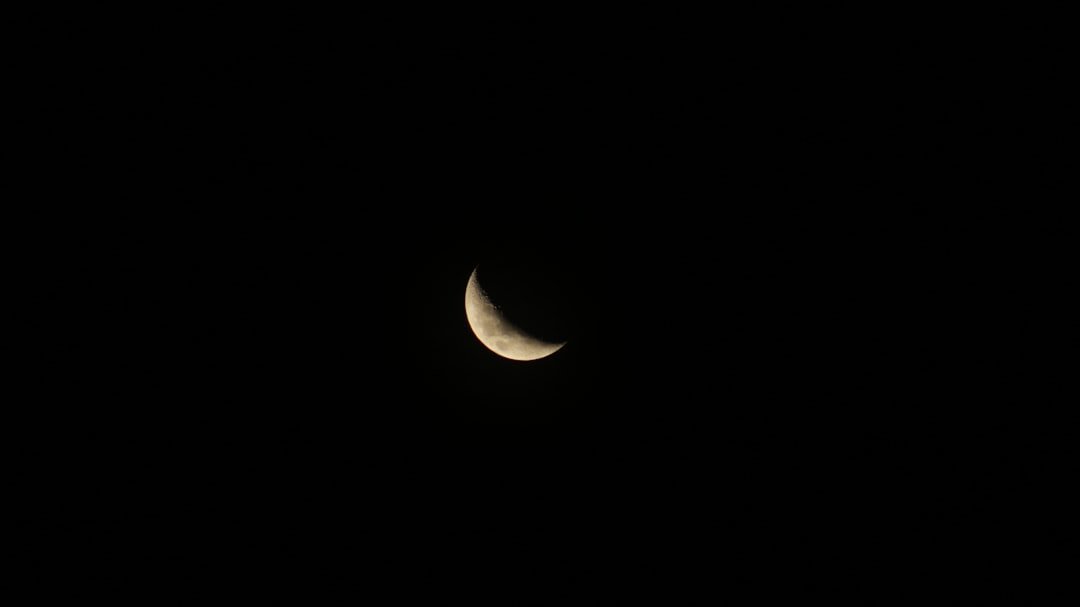
The new moon has carried meaning across cultures for thousands of years. The belief that the moon is able to exert an influence on behavior on Earth has existed for thousands of years and is reflected in history, language, art, and literature. Whether or not that influence is literal, the cultural resonance creates real psychological conditions for change.
The lunar cycle runs through eight phases – new moon, waxing crescent, first quarter, waxing gibbous, full, waning gibbous, last quarter, and waning crescent – each following the previous at an interval of roughly three and a half days. One full lunar synodic cycle takes approximately 29.5 days, meaning a new moon arrives roughly once a month – frequent enough to feel usable, rare enough to feel meaningful.
The new moon phase, specifically, is culturally associated with beginnings rather than endings or peaks. It’s the quietest point in the cycle. No light competes for attention in the sky. There’s a certain logic to starting something new in that kind of stillness – especially something that involves stepping back from noise.
What a Short Detox Actually Delivers

The results from recent research on digital detoxes are more concrete than most people expect. A one-week social media detox intervention significantly reduced symptoms of anxiety by about 16%, depression by nearly a quarter, and insomnia by roughly 15%. These are meaningful shifts from a relatively short period of intentional change.
Studies have found that digital detoxes positively affect well-being and mental health. On average, participants halved their screen time. Participants completed before and after questionnaires containing established indicators of well-being, mental health, positive emotions, and symptoms of anxiety and depression – and detoxes positively influenced all these metrics.
Participants also slept 20 minutes more per night on average when they were detoxing. That might sound modest, but compounded over a week it represents a meaningful recovery in sleep quality – which, as researchers consistently note, touches almost every other dimension of health.
The Blue Light and Sleep Connection

One of the clearest mechanisms linking screens to poor wellbeing runs through sleep. A variety of scientific studies have shown that blue light exposure, especially before bedtime, can create circadian disruptions and inhibit melatonin secretion in the brain, which ultimately results in deteriorated sleep quality and duration.
In a cross-sectional analysis of over 122,000 participants, screen use was associated with decreased sleep duration and worse self-reported sleep quality. These associations were more pronounced in participants with a later chronotype. In other words, those who already tend to stay up late are hit the hardest.
Electronic screen use before bed may disrupt circadian rhythms, leading to poorer sleep. Daily screen use was associated with later bedtimes and approximately 50 minutes less sleep each week. Starting a detox at the new moon – and using those initial nights to restore sleep before the full moon cycle – gives the body time to recalibrate its natural rhythm.
The Wellness Industry Is Paying Attention

Interest in structured digital detox isn’t only personal. The global digital detox retreats market is expected to see a growth rate of roughly 10% and may reach a market size of nearly two billion dollars by 2033, from around 0.9 billion dollars in 2024. That kind of trajectory reflects a real cultural shift, not just a passing trend.
Major trends in the forecast period for the wellness retreat market include mental health-focused retreats, personalized wellness programs, nature-based healing experiences, and digital detox retreat models. Urban stress, long screen times, and the rising awareness of burnout are prompting many individuals to prioritize holistic health.
Roughly 43% of total respondents in a 2025 consumer study say they have intentionally reduced screen time in the past six months. Millennials and Gen Z are the most likely to make this effort, showing that younger consumers are recognizing screen burnout and trying to regain balance. The appetite for change is clearly there.
How to Actually Do It: Starting with the Next New Moon

A lunar reset doesn’t need to be absolute to be effective. Even partial digital detoxes to limit some screen time can still be effective. Charging your phone outside of your bedroom and setting timers for specific apps are practical ways to start. The aim is reduction and intention, not dramatic withdrawal.
Scheduled screen breaks can lower digital eye strain and reduce mental fatigue, especially during work hours. Replacing screens with paper for tasks like journaling or planning improves retention, attention, and creativity. Even short-term digital detoxes of 24 to 48 hours have been linked to lower stress levels, improved mood, and greater life satisfaction.
Digital detox interventions may alleviate depression and problematic internet use, and individuals with higher baseline symptom severity appear to derive higher benefits. That last point matters. If you’re feeling particularly drained or overwhelmed by screens right now, the new moon reset may have more to offer you than you’d expect.
The new moon arrives whether you notice it or not. What changes when you do notice it – and choose to use it – is the frame you bring to your own habits. You don’t need to believe in celestial energy to benefit from a monthly marker that says: this is a moment to pause, reassess, and start something quieter. The science of fresh starts, the evidence on screen time, and the biology of sleep all point in the same direction. The sky just happens to offer a surprisingly reliable calendar.