
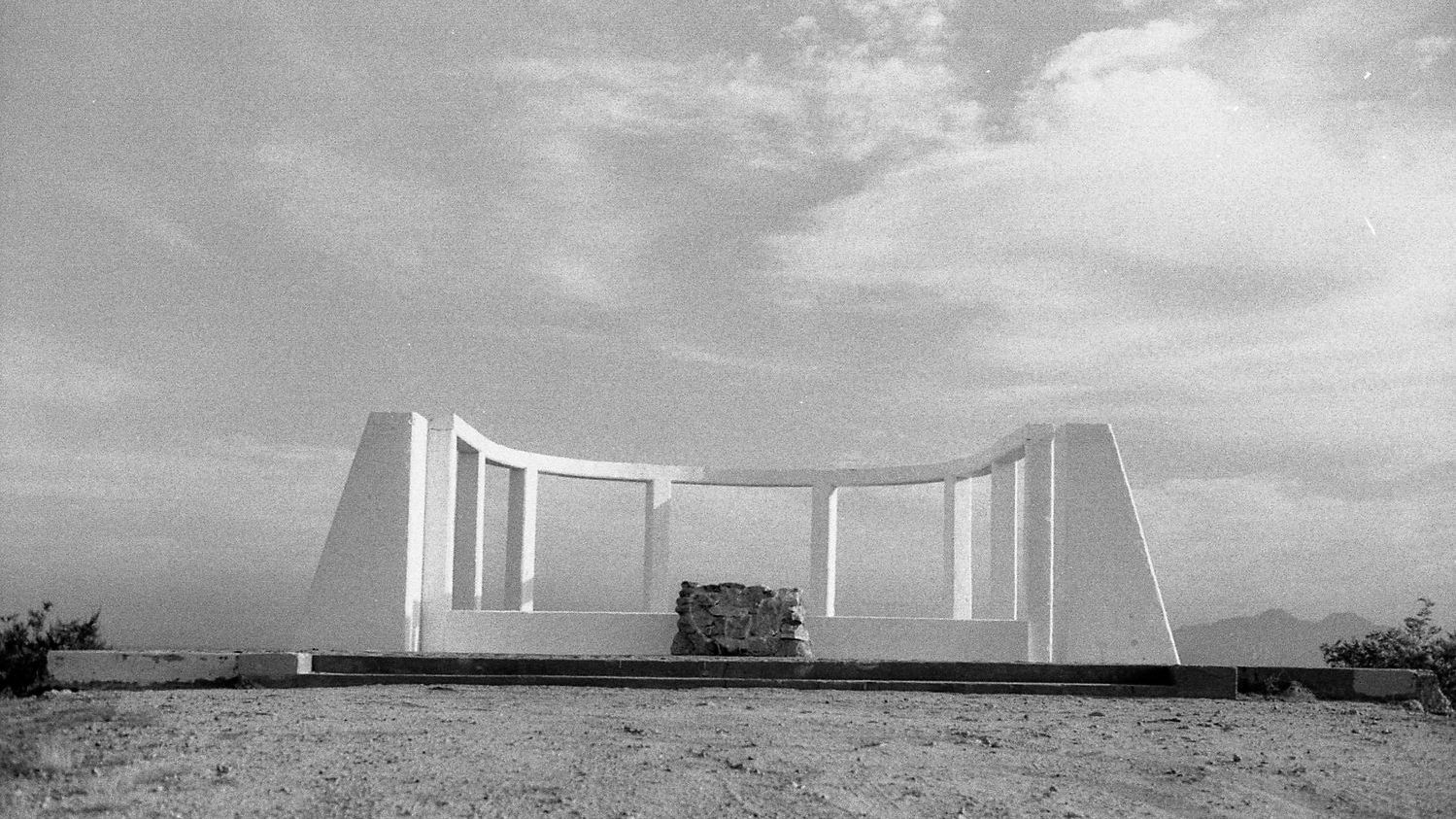

The Order That Built a Prison System from Scratch
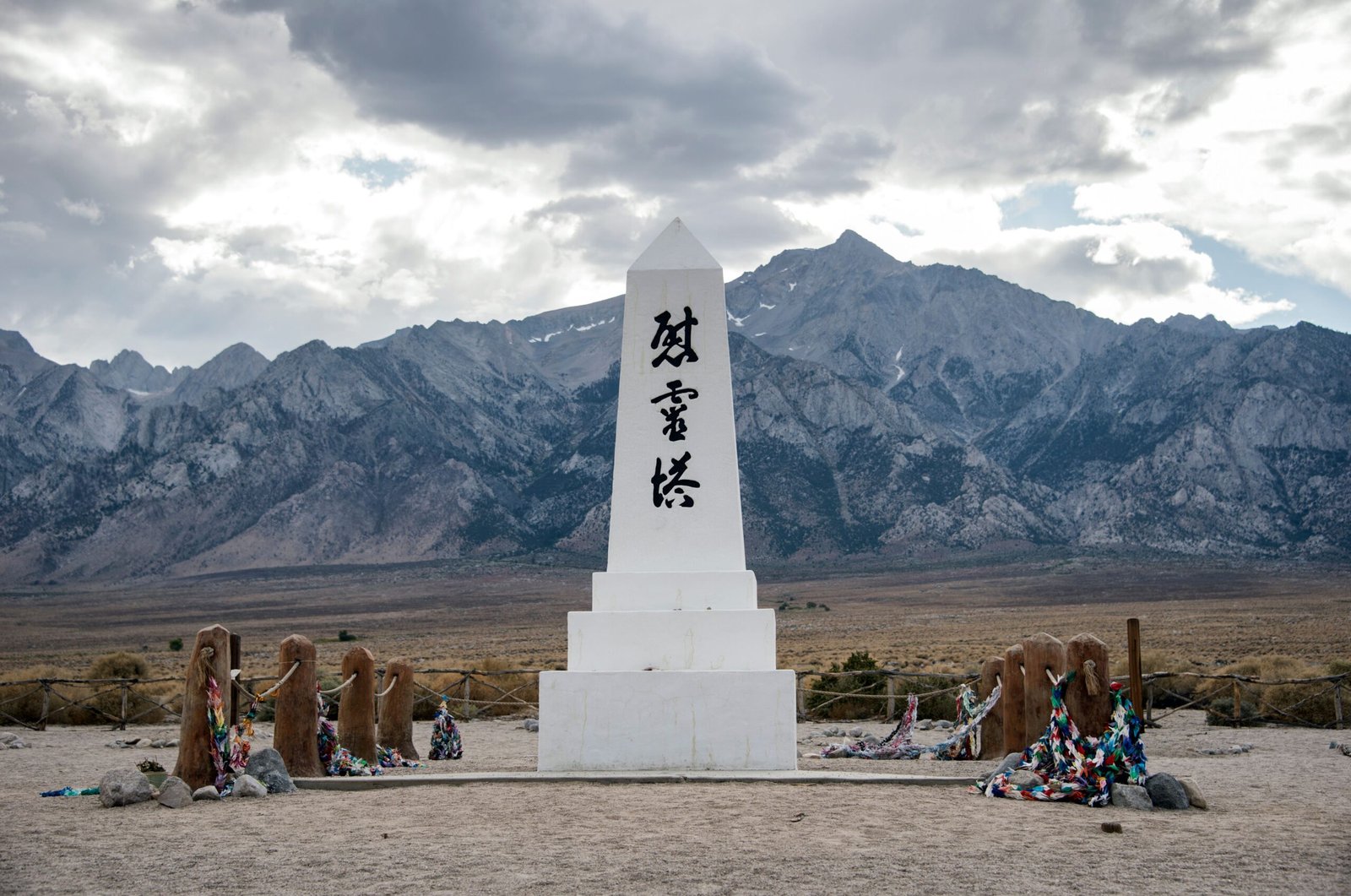
On February 19, 1942, President Franklin Roosevelt signed an order authorizing the forced removal of all persons deemed a threat to national security from the West Coast to “relocation centers” further inland. It was a single document, just a few paragraphs long. Yet behind that document lay one of the most elaborate and deliberately engineered systems of civilian detention ever constructed on American soil.
Executive Order 9066 authorized the removal of all persons of Japanese ancestry from the West Coast. However, it was signed before there were any facilities completed to house the displaced Japanese Americans. That detail matters. The machinery of confinement had to be invented rapidly, and under wartime pressure, the government made decisions that would define how more than 100,000 human beings lived, slept, ate, and breathed for years. The infrastructure it built was not improvised. It was planned, blueprinted, and executed with a bureaucratic thoroughness that is, in its own way, deeply unsettling.
The War Relocation Authority: The Agency Behind the Blueprint
On March 18, 1942, the War Relocation Authority was formed via Executive Order 9102. Its mandate was to manage what the government euphemistically called “relocation.” In practice, it meant designing and operating a nationwide network of detention sites capable of holding a population roughly the size of a mid-sized American city.
The camps had to be built from the ground up, and wartime shortages of labor and lumber combined with the vast scope of each construction project – several of the WRA camps were among the largest “cities” in the states that housed them – meant that many sites were unfinished when transfers began to arrive from the assembly centers. The WRA wasn’t just a bureaucratic overseer. Its staffers prepared guidelines for the use of euphemistic terminology. Staff members were required to refer to inmates as “evacuees” and to the facilities they planned to create as “relocation centers” or “relocation projects” rather than “internment centers.” The language, like the architecture, was deliberately constructed to obscure what was really happening.
Choosing the Sites: Remote, Controlled, and Deliberate
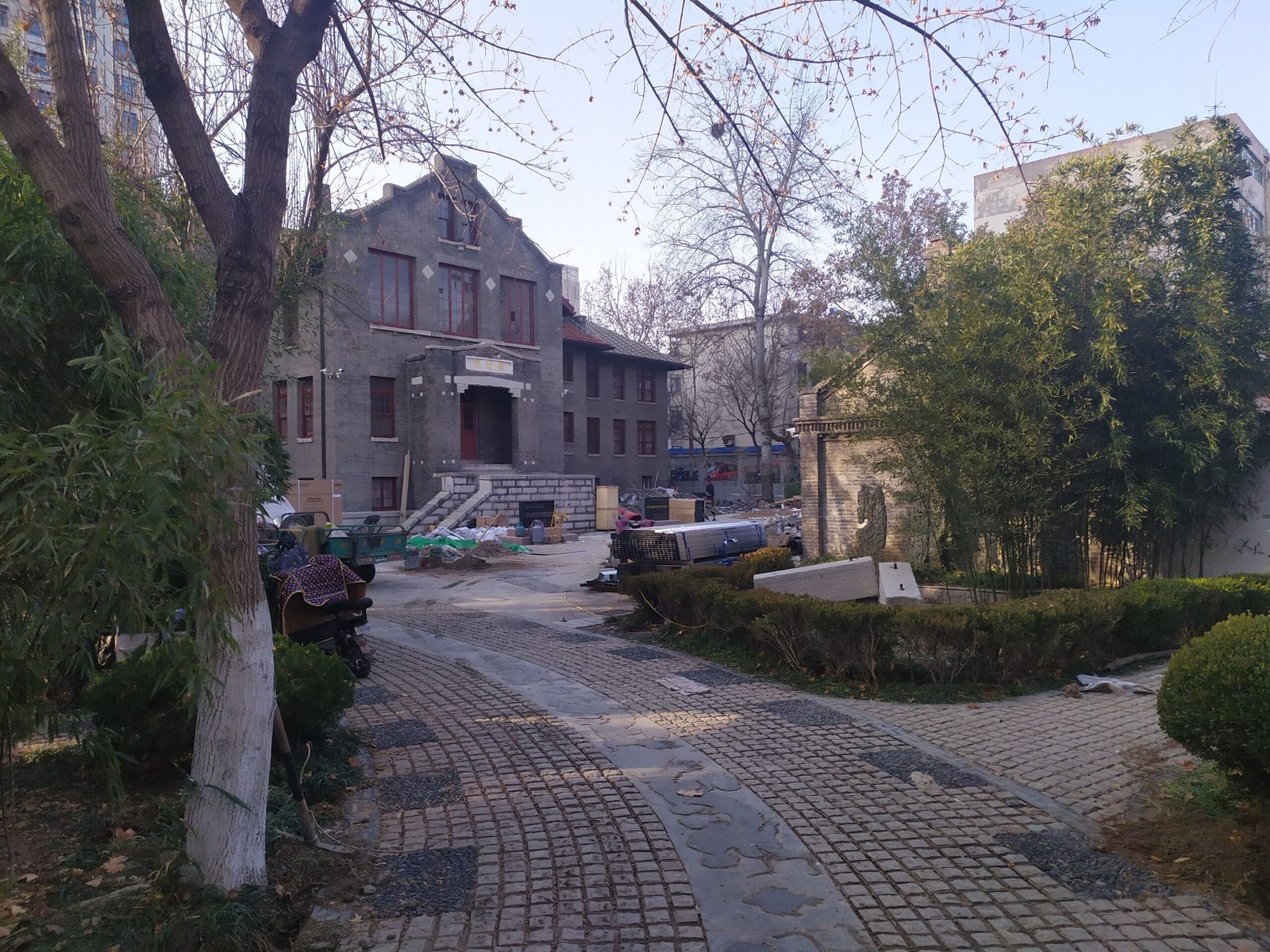
The ten sites were in remote areas in six western states and Arkansas: Heart Mountain in Wyoming, Tule Lake and Manzanar in California, Topaz in Utah, Poston and Gila River in Arizona, Granada in Colorado, Minidoka in Idaho, and Jerome and Rohwer in Arkansas. These locations were not chosen at random. They were selected with strategic intent, far from the coast, far from population centers, and far from any sympathetic witness.
Rural areas like the Arizona desert or the rural Mississippi Delta region of Arkansas made for prime camp locations because they were remote and far removed from major cities and industrial areas. If the Army and the U.S. government were going to detain Japanese Americans in camps after identifying them as security risks, it would make good, defensive sense to avoid placing them near strategic locations and populated cities and towns. These were considerations for the WCCA and WRA, but so was the possibility of using incarcerated Japanese Americans for work. In some cases, the selection of land on Native American reservations added another troubling layer. The WRA was charged with selecting locations to build internment camps, which were essentially American concentration camps. Most of the land they chose was Native American tribal land that was far from military strategic locations.
The Architecture of Confinement: Barracks, Blueprints, and Barbed Wire
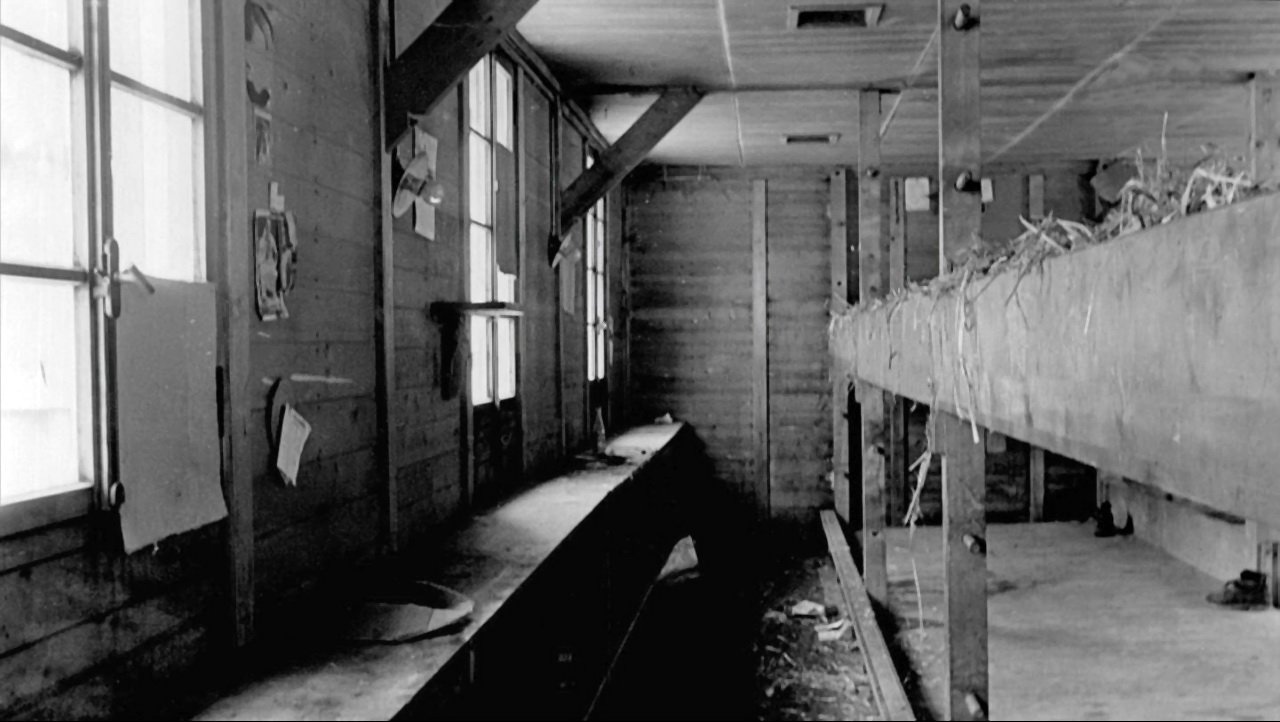
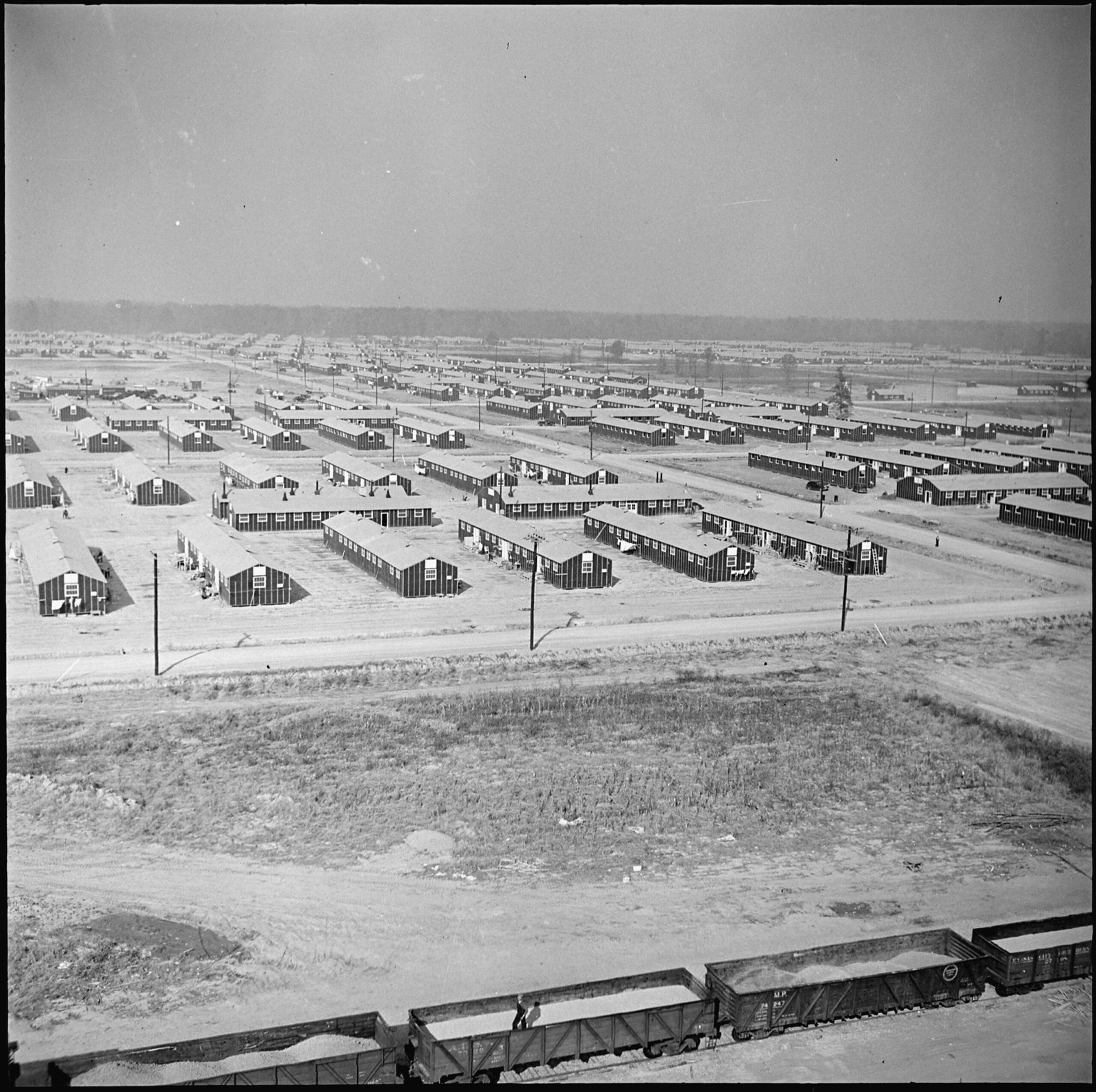
The National Archives holds architectural and engineering plans covering drawings and plans for each of the WRA internment centers. These documents survive as cold, technical records of an injustice, showing floor plans, structural layouts, and construction specifications for what were, in effect, prisons. The camps were built from scratch, with barbed wire fences around the perimeter and guard towers overlooking them. Wooden barracks with tar-paper walls, with one 20″x20″ room to a family, were designated as housing. Separate, and much nicer, quarters were built for administrative personnel.
Many camps were built quickly by civilian contractors during the summer of 1942 based on designs for military barracks, making the buildings poorly equipped for cramped family living. Throughout many camps, twenty-five people were forced to live in space built to contain four, leaving no room for privacy. At the Manzanar site in California, the center comprised a 6,000-acre site, enclosed by barbed wire fencing, and within that site a 560-acre residential site with guard towers, searchlights, and machine gun installations. These were not temporary inconveniences. They were permanent structural facts of daily life.
Inside the Living Units: The Mathematics of Indignity
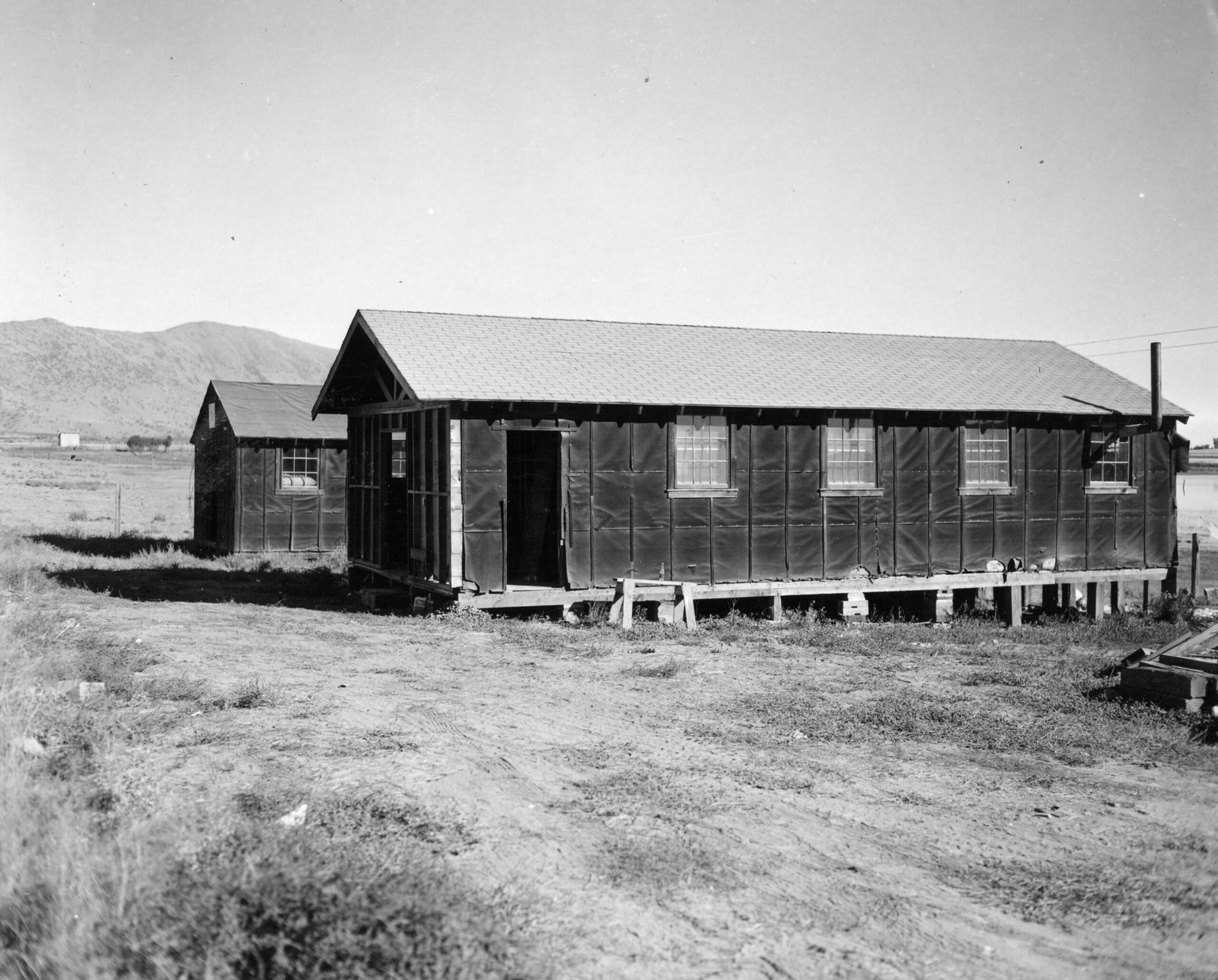
Families lived in army-style barracks partitioned into “apartments” with walls that usually did not reach the ceiling. These “apartments” were, at the largest, twenty by twenty-four feet and were expected to house a family of six. In April 1943, the Topaz camp averaged roughly 114 square feet per person. To understand what that means: a standard parking space is about 160 square feet. Families of multiple generations were expected to live, sleep, and maintain dignity within that kind of space.
Living conditions were bare bones, with uninsulated barracks heated by coal-burning stoves, common latrines, little hot running water, and food being rationed. The Heart Mountain War Relocation Center in northwestern Wyoming was a barbed-wire-surrounded enclave with unpartitioned toilets, cots for beds, and a budget of 45 cents daily per capita for food rations. The design of the camps made privacy structurally impossible. It wasn’t an oversight. It was embedded into the architecture from the beginning.
The Surveillance System: Watchtowers, Guards, and the Inward-Facing Guns
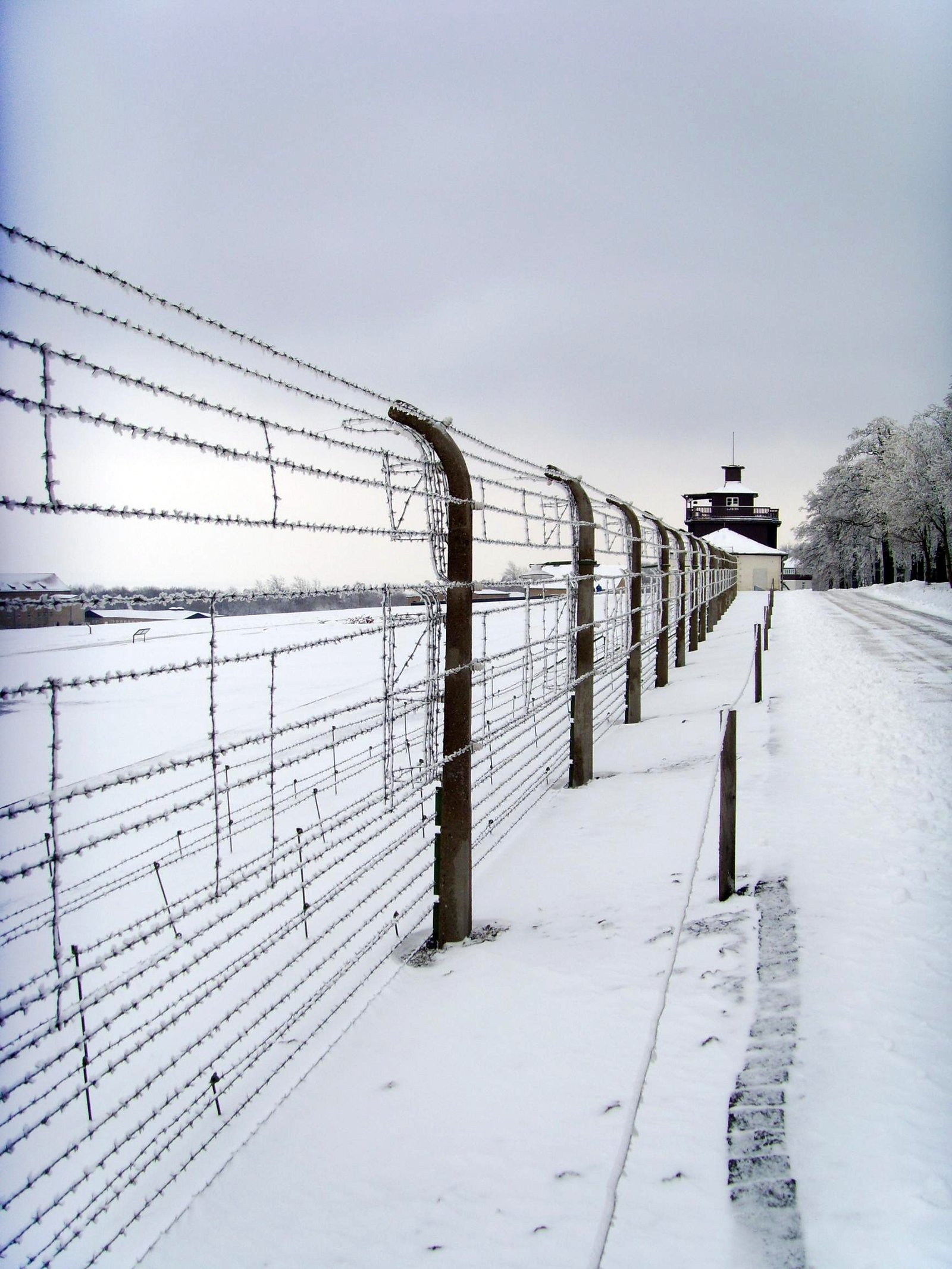
When they reached the camps themselves, internees saw spare, prison-like compounds situated on sun-baked deserts or bare Ozark hillsides, dotted with watchtowers and surrounded by barbed wire. The security infrastructure was elaborate and intentional. The Works Projects Administration was instrumental in creating such features of the camps as guard towers and barbed wire fencing. Drawing on his background in New Deal road construction, administrator Clayton Triggs installed such familiar concentration camp features as guard towers and spotlights.
Physical mistreatment was rare, but the armed guards and the ever-present snipers in the watchtowers were constant reminders of the residents’ new status. One internee famously asked that if Japanese Americans were supposedly placed in camps for their own protection, why were the guns in the guard towers pointed inward rather than outward? Camps were surrounded by barbed wire fencing and had guard towers. Guards shot at inmates who came too close to the fencing, in some cases killing them. The design enforced obedience through the ever-present threat of violence.
Assembly Centers: The Forgotten First Stage
Three days after the order was issued, the WCCA began transporting Japanese Americans to a network of holding centers, dubbed “assembly centers” in officialese, located in hastily-adapted racetracks or fairgrounds within the exclusion areas. These were the camps before the camps. They were never intended to be permanent, but they housed thousands of people in conditions that were, if anything, even more chaotic than what followed.
The assembly centers were usually converted racetracks and fairgrounds, where thousands of people slept in stables, livestock stalls, or the open air while they waited to be transported to their assigned internment camps. One assembly center established at Santa Anita Park, a racetrack in southern California, housed entire families in horse stalls with dirt floors. Families that had owned homes, businesses, and farms were now sleeping in stalls built for animals, waiting to be moved to something described as better, but that turned out to be only marginally so.
Coerced Labor and the Camp Economy
![Coerced Labor and the Camp Economy ([Library of Congress on Flickr https://www.flickr.com/photos/library_of_congress/2179117045/], No restrictions)](https://nerdydigest.com/wp-content/uploads/2026/04/1776462012294_1776461987324_tulelakeinternmentcamp.jpeg)
Each Relocation Center was its own “town,” and included schools, post offices and work facilities, as well as farmland for growing food and keeping livestock. This gave the camps a deceptive appearance of normalcy. Net factories offered work at several Relocation Centers. One housed a naval ship model factory. There were also factories in different Relocation Centers that manufactured items for use in other prison camps, including garments, mattresses, and cabinets.
The camps were not simply places of confinement. They were productive economic units that extracted labor from a captive population. These considerations included the possibility of using incarcerated Japanese Americans for work. The two agencies selected the Colorado River Indian Tribes Reservation in Arizona to host the Poston camp because the region was in need of a new irrigation system. Labor shortages because of the war caused construction to progress slowly, and some Japanese Americans were forced to live in unfinished structures and help complete their construction. In some cases, the people being imprisoned were conscripted to build the very walls around them.
The Economic Destruction Left Behind
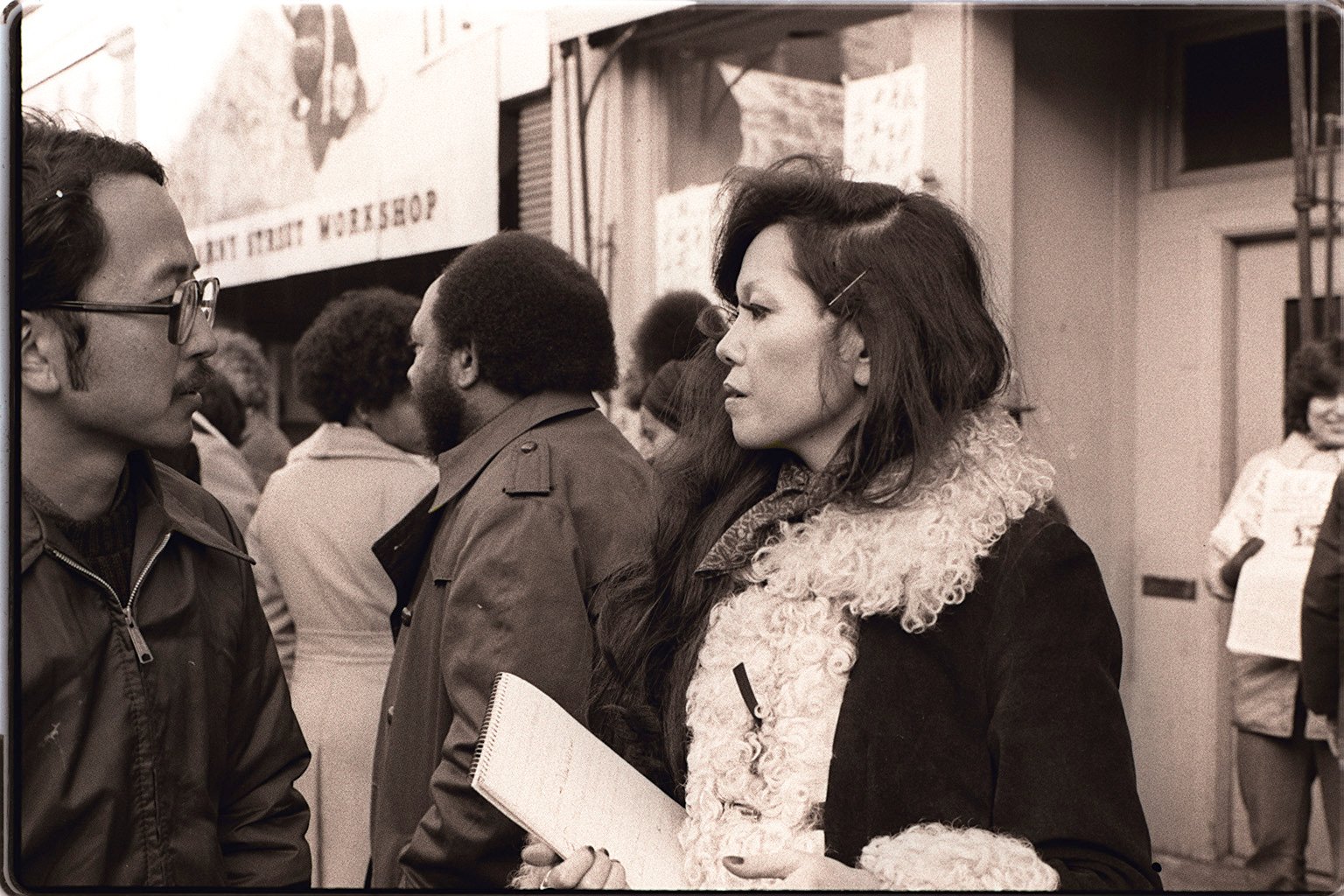
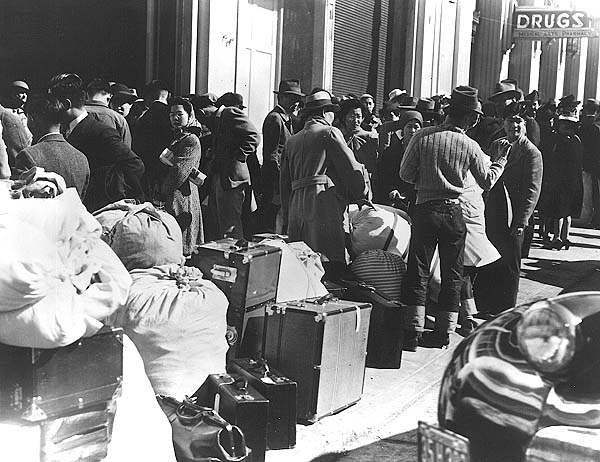
Once an exclusion order was issued, Japanese Americans were given one week in which to register with the authorities, gather whatever possessions they could carry, and report to an assembly center nearby. The evacuees were required to liquidate their assets in just a few days, so homeowners were required to sell their houses, and business owners their farms, stores, and restaurants, hurriedly and at steep discounts, often for pennies on the dollar. The financial consequences were immediate and catastrophic.
The speed of the “evacuation” forced many homeowners and businessmen to sell out quickly. Total property loss is estimated at $1.3 billion, and net income loss at $2.7 billion, calculated in 1983 dollars based on a congressional commission investigation. Because they were given so little time to settle their affairs before being shipped to internment camps, many were forced to sell their houses, possessions, and businesses well below market value to opportunistic buyers. When released, many Japanese Americans had very little to return to except discrimination. The camps didn’t just confine people. They dismantled everything those people had spent decades building.
Resistance Within the Wire
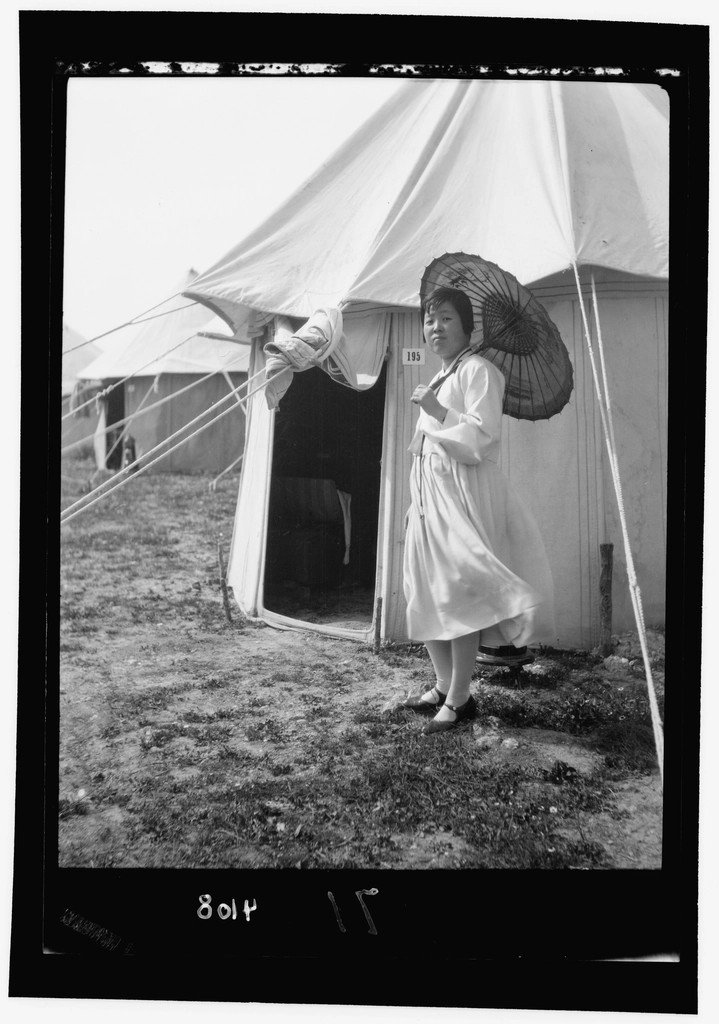
Although Japanese Americans attempted to create a semblance of community by setting up schools, sports, and other activities, they did so under the constant watch of armed guards with orders to shoot anyone who tried to leave. Resistance took many forms, from outright protest to quieter acts of cultural preservation. In 1943, the War Relocation Authority subjected all Japanese Americans in the camps to a loyalty test, in which they were asked to reject allegiance to the Japanese emperor and assert whether they were willing to serve in the U.S. military.
Many of the camp residents, especially those who were American citizens, were deeply offended by the government’s obvious suspicion that they might still be loyal to Japan. About 8,500 of these people, mainly second-generation Japanese American men, answered “no” to both questions, often in protest. All of these so-called “no-no” residents were labeled as disloyal, were separated from their families, and were sent to the relocation center at Tule Lake, California. These internal segregations created new camps within camps, and new layers of surveillance and control within an already controlled environment.
The Civil Liberties Act and Its Limits
The Civil Liberties Act of 1988 is a United States federal law that granted reparations to Japanese Americans who had been wrongly interned by the United States government during World War II and was designed to “discourage the occurrence of similar injustices and violations of civil liberties in the future.” The act granted each surviving internee $20,000 in compensation, equivalent to roughly $46,000 in 2024, with payments beginning in 1990. It also included a formal presidential apology, one that acknowledged the government’s own role in what had been done.
The act stated that these actions were carried out without adequate security reasons and without any acts of espionage or sabotage, and were motivated largely by racial prejudice, wartime hysteria, and a failure of political leadership. After paying out more than $1.6 billion to more than 82,250 persons of Japanese ancestry who were interned during World War II, the Justice Department’s Office of Redress Administration officially closed its doors. Still, no reparation payment could restore a family business sold in two days, or the years lost behind barbed wire, or the psychological inheritance passed down through generations.
What the Blueprints Tell Us Today
Each WRA Center constituted a new small city requiring significant investments in infrastructure to provide basic functions for living. That fact, stated plainly in administrative records, is worth sitting with. The U.S. government designed, funded, and built small cities specifically intended to hold its own citizens without charge or trial, based solely on their ancestry. The army was never required to prove that the Americans interned in the camps posed any military threat, or that the relocations in any way made the nation safer from attack. No Japanese American was ever convicted of any act of sabotage during World War II.
The end of World War II and the closing of the camps did not lead to an immediate return to normal life for the formerly incarcerated. Mass removal and confinement continued to have far-reaching effects in the years and decades that followed. February 19, the anniversary of the signing of Executive Order 9066, is now the Day of Remembrance, an annual commemoration of the unjust incarceration of the Japanese-American community. The blueprints of the camps are archived. The watchtowers are largely gone. What remains is the question every generation has to answer for itself: what systems of power are we willing to build, and against whom.