

Few questions in Marvel Comics fandom have sparked as much genuine curiosity as this one: why does the Venom symbiote keep seeking new hosts, and what makes one person’s biology a better fit than another’s? Following the events of Venom War, in which Eddie Brock and his son Dylan fought over ownership of the symbiote, Venom selected a new host entirely. That host turned out to be none other than Mary Jane Watson, as revealed in All-New Venom #5 by Al Ewing and Carlos Gómez.
The choice wasn’t just a narrative surprise. Looked at through the lens of real biology, specifically parasitology, neuroscience, and the science of host-symbiont relationships, the case for Mary Jane as a superior host actually holds up in fascinating ways. The symbiote didn’t just find a new body. It may have found a more stable one.
What Symbiotic Compatibility Actually Means in Biology
In real biology, symbiosis involves the most complex and important examples of both cooperation and exploitation in the living world, encompassing many types of dependent or interdependent associations between species. Compatibility isn’t just about physical tolerance. It’s a layered negotiation between immune systems, metabolic environments, and neurological chemistry.
Symbiotic interactions can significantly influence ecological dynamics and species diversity, as they often involve complex adaptations and coevolution. For a symbiont to thrive inside a host, it needs more than permission to exist. It needs active metabolic support, reduced immune hostility, and a neurological environment it can work with rather than against. A host wrapped in chronic emotional turmoil, like Eddie Brock has historically been, creates a biological environment that is anything but cooperative for a would-be mutualistic partner.
Chronic Stress and Its Effect on Host Biology

Acute stress can temporarily strengthen immunity and promote protection during infection, but chronic stress dysregulates or inhibits immune functions. Chronic stress causes an increase in cortisol levels through the HPA axis, ultimately suppressing the immune response. Eddie Brock’s defining characteristic in Marvel canon is his deep, festering resentment and rage. Translated into biological terms, that psychological state maps almost directly onto the physiological profile of a chronically stressed organism.
Chronic stress can trigger the release of pro-inflammatory cytokines like interleukin-6, contributing to the development of several chronic illnesses. Vertebrates activate a stress response to manage harmful stimuli, involving physiological, hormonal, and behavioral changes. While adaptive in the short term, chronic stress becomes harmful, leading to conditions like depression, anxiety, and heart disease. A host in this state is biologically disruptive. The symbiote, which needs a stable internal environment to maintain long-term integration, is essentially being housed in a system constantly at war with itself.
The Neuroendocrine Bridge Between Host and Symbiote
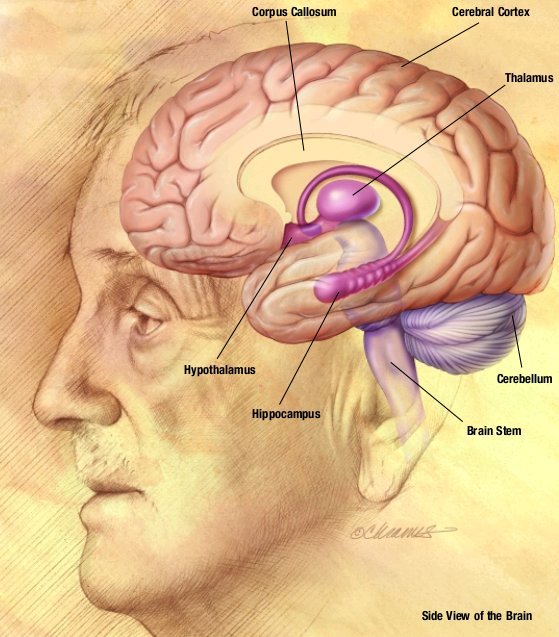
Psychosocial stress exposure can disturb communication signals between the immune, nervous, and endocrine systems that are intended to maintain homeostasis. This dysregulation can provoke a negative feedback loop between each system that has high pathological risk. In the fiction of Venom, the symbiote integrates with the host’s nervous system. This makes the health of that nervous system absolutely central to whether the bond works well or deteriorates.
The two key pathways connecting stress and immunity are the hypothalamic-pituitary-adrenal axis and the sympathetic nervous system. Stress activates the neuroendocrine system and triggers microglia in the brain, releasing stress hormones and neurotransmitters that modulate the function and movement of immune cells. For a symbiote that presumably operates through neurochemical integration, a host whose brain is perpetually flooded with stress hormones and inflammatory signals would represent poor wiring. Mary Jane, by contrast, is written with far more psychological resilience and emotional range, which biologically translates to a more regulated neuroendocrine baseline.
How Parasites Hijack the Nervous System: A Real-World Parallel
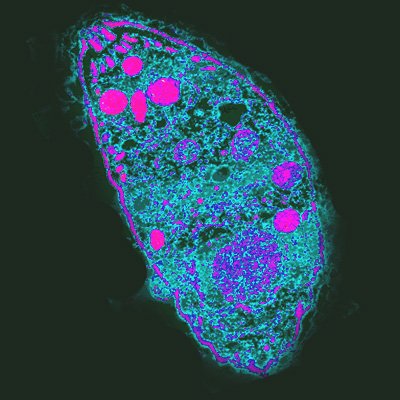
Certain parasites can manipulate host behaviour for their own benefit, but the mechanisms remain largely unknown. Toxoplasma gondii is a canonical example, altering behaviour in rodents and other hosts, including humans. Dopamine dysregulation has been suggested as a mechanism, with parasite-encoded tyrosine hydroxylases proposed as a direct source of dopamine. This is one of the most striking real-world parallels to the fictional symbiote. Toxoplasma doesn’t just live in the brain. It actively reshapes how the brain functions.
The physiological basis includes dopamine dysregulation and the gamma-aminobutyric acid pathway, and the neuroendocrine programs and neurotransmitter imbalance may play a key role in this process. Venom’s fictional ability to communicate with its host, shape behavior, and amplify emotional states mirrors this real biological phenomenon with striking accuracy. The critical difference, though, is that a host with pre-existing dopamine instability or neurochemical volatility due to chronic emotional states like rage would make this kind of integration chaotic rather than stable. Eddie Brock’s anger-driven neurochemistry would be a noisy, unpredictable signal for any foreign organism trying to integrate with it.
Emotional Stability as a Biological Asset for Symbiosis

In Marvel’s symbiote lore, the organisms amplify traits already present in the host. This fictional rule actually has a real biological analogue. Toxoplasma gondii infection affects the immune system, the nervous system, the endocrine system, and the gut microbiome simultaneously. A host who brings regulated systems across all of those domains to the relationship simply gives the symbiont more stable ground to integrate with.
Mary Jane Watson, across decades of publication, is characterized by emotional adaptability and resilience under pressure. The Venom symbiote is finding new life with a more positive and optimistic host. Biologically, optimism and psychological stability correlate with lower baseline cortisol, healthier inflammatory profiles, and more regulated autonomic nervous system activity. All three of those factors would, in theory, create a far more hospitable and productive internal environment for a neurologically integrating organism than the cortisol-saturated, rage-primed biology that has defined Eddie Brock for most of his time as a host.
Immune Tolerance and the Problem of Rejection
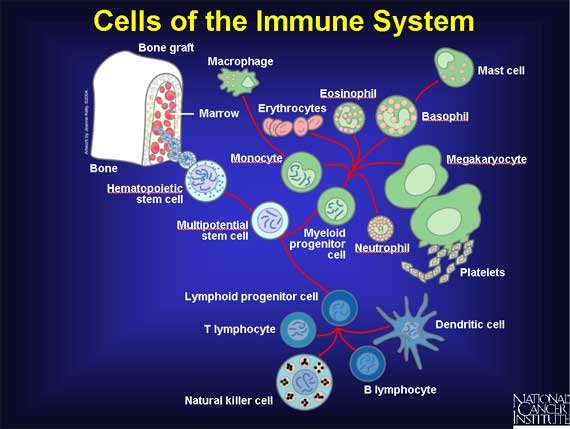
One of the central challenges of any symbiotic relationship is immune rejection. The host’s immune system is designed to identify and eliminate foreign entities. Successful long-term symbionts, like beneficial gut bacteria, survive by either evading detection or actively modulating the immune response to reduce hostility. Acute stress temporarily enhances immune responses by activating immune cells, while chronic stress suppresses immune function, leading to increased inflammation and greater susceptibility to illness.
This creates a real paradox for someone like Eddie Brock. His chronic stress suppresses certain immune functions while simultaneously creating a pro-inflammatory environment. That’s a destabilizing combination for a symbiotic organism trying to establish a lasting bond. Maintaining immune homeostasis is crucial for the immune system to function optimally, ensuring that responses to pathogens are appropriately calibrated without triggering excessive inflammation or autoimmunity. Stress can disrupt this delicate balance, leading to a state of immune dysregulation. Mary Jane’s comparatively stable physiological baseline would create a far less combative immune context for the symbiote to navigate.
Mutual Benefit and the Logic of True Symbiosis
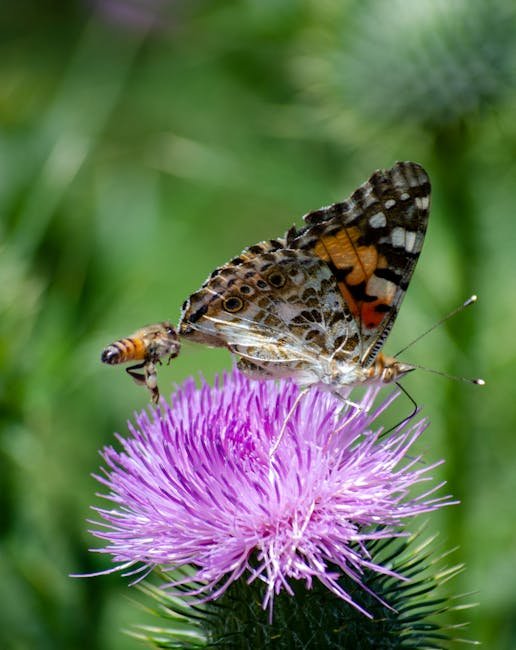
Mutualism involves reciprocal benefits for both species, such as clownfish and sea anemones, where the clownfish gains protection and the anemone receives food scraps. Real symbiosis isn’t a one-way extraction. Both parties gain something functional. The Venom symbiote in Marvel fiction doesn’t just want a body to inhabit. It wants a partner capable of mutual support, something the Eddie Brock relationship has historically struggled to deliver in a stable way.
Mary Jane’s greatest nightmare is fused to her on a molecular level. She literally can’t survive without Venom nor can Venom survive without her. This fictional description of molecular fusion actually maps onto real mutualistic biology quite well. The most successful symbiotic organisms in nature are those where separation would compromise both parties, like mycorrhizal fungi and plant roots, or the mitochondria inside every eukaryotic cell. When both organisms become functionally dependent on each other, the bond becomes evolutionarily stable. Mary Jane’s fusion represents that kind of irreversible, mutually necessary integration. Eddie’s bond, rooted in shared hatred and rage, was always more antagonistic than mutualistic.
The Microbiome Model and What It Tells Us About Host Quality
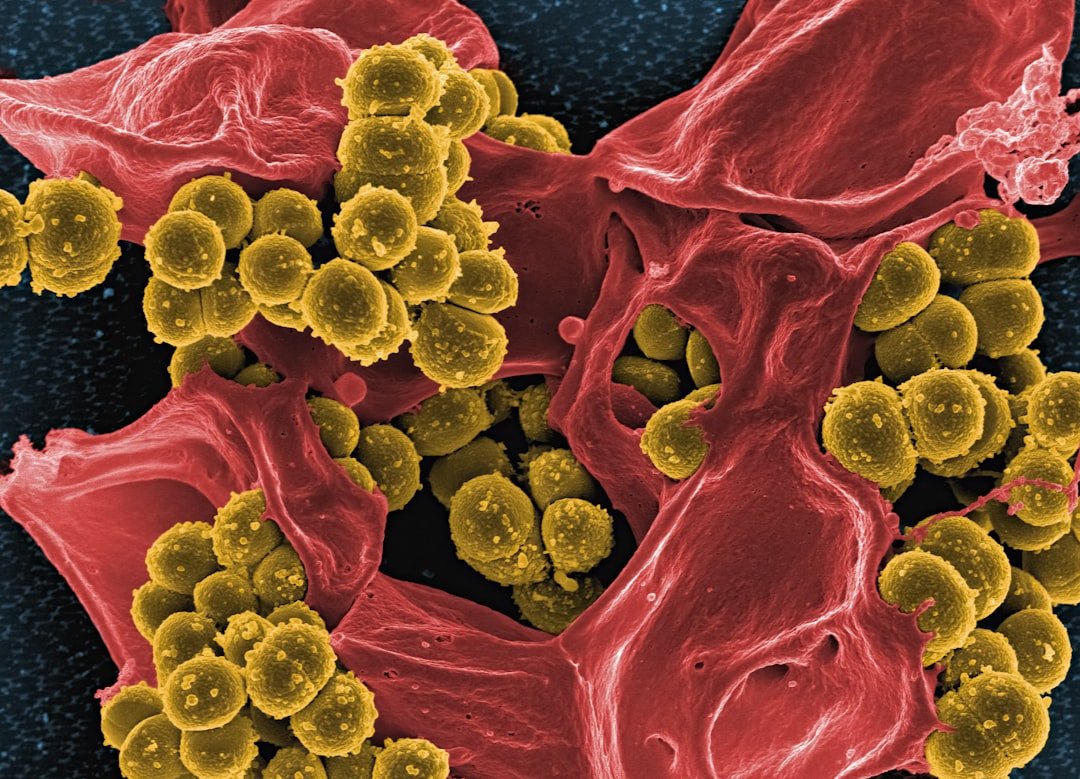
The gut microbiome is perhaps the cleanest real-world model of how host biology determines the success of a symbiotic relationship. Stress hormones alter immune cell behavior, increasing inflammatory cytokines and redistributing immune cells. This has effects on organs like the spleen and gastrointestinal tract, potentially influencing the microbiome. Chronic stress doesn’t just affect the brain. It reshapes the entire biological landscape the symbiont has to live within.
Beneficial gut bacteria thrive in hosts with stable cortisol rhythms, regulated inflammation, and healthy mucosal barriers. In hosts with chronic stress, that entire landscape shifts unfavorably. The same principle scales up when considering a neurologically integrating alien organism. Prolonged stress results in a continuous low-grade inflammation, leading to wear and tear of tissue. A symbiote seeking lasting integration would, over time, be working against a body that is slowly consuming itself. Mary Jane’s more stable biology doesn’t just make the bond more comfortable. It makes it more survivable.
Psychological Architecture and What the Symbiote Actually Amplifies

The Venom symbiote in comics has consistently been shown to amplify and interact with the psychological architecture of whoever it bonds with. The ability of parasites to alter host cognition and behaviour captivates interest partly because it raises questions about free will. Certain parasites appear able to manipulate their host’s central nervous system. Whilst many behavioural changes evoked are general, others appear remarkable in their specificity, subtly altering only a limited repertoire of key host behavioral traits for apparent fitness benefits. This is a near-perfect biological analogue for what the symbiote does fictionally.
Eddie Brock’s psychology gave the symbiote hatred, obsession, and instability to work with. Those traits were amplified, not balanced. Mary Jane brings something structurally different: resilience, adaptability, and a history of functioning under pressure without fragmenting. Despite MJ and Venom having an extremely complicated history together in overall Spider-Man lore, their involuntary coupling could seriously reinvigorate MJ’s superhero status and redefine Venom’s place in Marvel Comics. The bond being deadly forces the duo to work together when they may want to quit, and will help both of them become a stronger hero in tandem. Biologically, that forced cooperation mirrors how successful mutualistic organisms actually work: not through preference, but through mutual necessity that eventually becomes genuine interdependence.
Conclusion: The Biology of a Better Bond
Symbiotic compatibility is never simply about the physical capacity to house another organism. It’s about the quality of the environment you provide, the stability of your neurochemistry, the calibration of your immune response, and whether the relationship trends toward genuine mutualism or toward mutual exploitation.
Eddie Brock gave Venom a partner whose biology and psychology were almost perfectly tuned to amplify conflict. Mary Jane, whether by chance or by the symbiote’s own evolving biological intelligence, offers something more valuable in symbiotic terms: a regulated, resilient host whose internal environment supports integration rather than undermining it.
Science doesn’t deal in fictional symbiotes, of course. But the biological principles that govern real host-symbiont relationships map onto this fictional scenario with surprising precision. The most durable symbioses in nature are those where the host creates the conditions for long-term stability. On that measure, Mary Jane Watson isn’t just a more interesting narrative choice. She’s the better biological one.