

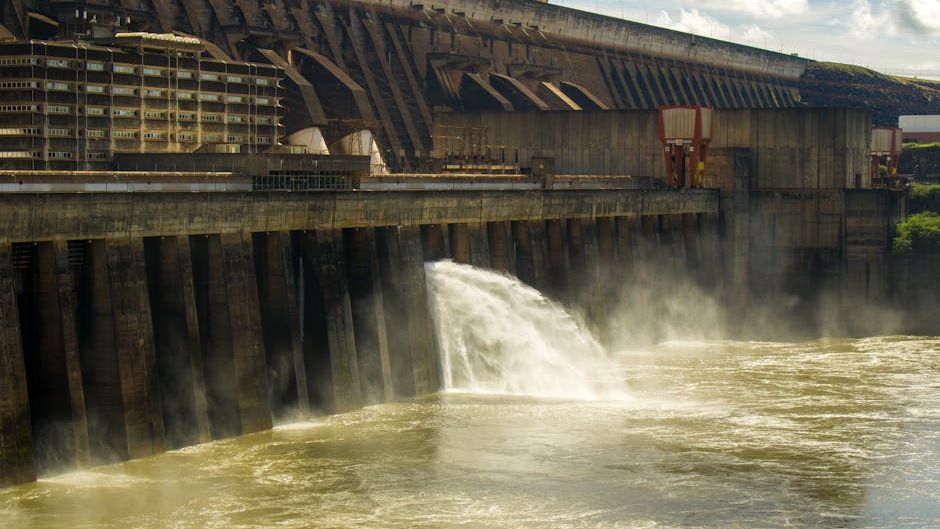
Hydropower is in hot water. Will Trump’s DOE release funding to help? – Image for illustrative purposes only (Image credits: Pexels)
Operators of hydroelectric dams across the country confronted stark decisions in recent years, weighing costly upgrades against outright closure. These facilities, which deliver steady clean power to millions of homes and industries, risk vanishing as relicensing deadlines loom. This week brought a glimmer of hope when the Department of Energy indicated it would resume talks to disburse long-frozen funds aimed at preserving this essential resource.[1]
The Relicensing Crunch Threatens a Vital Clean Energy Source
Hundreds of U.S. dams, representing nearly 16 gigawatts of capacity, approached federal relicensing deadlines in the coming years. The average dam dated back 65 years, constructed long before modern environmental standards required features such as fish passages and wildlife protections. Owners faced dilemmas: invest millions in retrofits or surrender licenses, with some already choosing the latter.[1][2]
Hydroelectricity supplied nearly 6 percent of the nation’s electricity in 2025, prized for its round-the-clock reliability amid the rise of intermittent renewables. Yet the relicensing process, overseen by the Federal Energy Regulatory Commission, dragged on for years, entangled in reviews from multiple agencies including the Fish and Wildlife Service. Delays stemmed from assessments of river ecosystems over fish spawning cycles and state demands for unrelated infrastructure projects. Facilities like those in New Hampshire halted operations rather than shoulder the financial burden.
Climate Change Adds Pressure to an Aging Infrastructure
Droughts in the American West slashed output to a 22-year low last year, as diminished snowpack left reservoirs parched. Such variability challenged hydropower’s role as a firm power source, even as the Northeast saw increased precipitation. Projections indicated worsening conditions with climate change, further eroding capacity at plants already strained by age.[2]
These environmental shifts compounded economic pressures. Once dominant, hydropower competed against plummeting costs for solar, wind, and natural gas. Manufacturers of turbines and components dwindled, inflating upgrade prices. The sector, once flush with resources, now lacked the capital for extensive overhauls without external support.
A Promising Turn: DOE Revives Biden-Era Funding Pool
In September 2024, the Biden administration allocated $430 million from the 2021 bipartisan infrastructure law to tackle these issues. The funds targeted 212 facilities nationwide, supporting grid resiliency enhancements, safety measures, and environmental upgrades like fish passages. At least 17 sites faced relicensing through 2036, making the aid particularly timely.[1]
The initiative stalled amid the Trump administration’s review of prior awards. However, the DOE’s Hydropower and Hydrokinetic Office – rechristened from the Water Power Technologies Office – announced this week it would reopen negotiations. Paired with private matching investments, the $430 million could spur over $2.8 billion in total improvements. This move aligned with earlier Trump actions, such as the July signing of the One Big Beautiful Bill Act, which secured tax credits for hydropower modernization in energy communities using domestic equipment.[2]
Persistent Hurdles and the Path Forward
While welcome, the funding fell short of a complete fix. Bureaucratic relicensing timelines persisted, often spanning a decade or more for projects like Idaho’s Hells Canyon or Maryland’s Conowingo Dam. Innovations such as fish-safe turbines, backed by prior DOE grants to firms like Natel Energy, promised efficiency gains but required scaled production.[2]
- Targeted upgrades at 212 dams for resiliency and safety.
- Environmental retrofits to ease relicensing approvals.
- Leveraged private capital to amplify federal dollars.
- Preservation of 16 gigawatts of dispatchable clean power.
Key players watched closely: utilities, rural communities dependent on steady generation, and tech firms eyeing baseload capacity for data centers. The DOE’s decision highlighted hydropower’s strategic value in a grid hungry for reliable electrons.
As negotiations advanced, the fate of these dams hung in balance, underscoring the human cost of inaction – lost jobs in remote areas, higher electricity rates from reduced supply, and setbacks in clean energy goals. Whether this funding infusion proved sufficient remained uncertain, but it offered a fighting chance to sustain a cornerstone of America’s power mix for generations ahead.[1]