

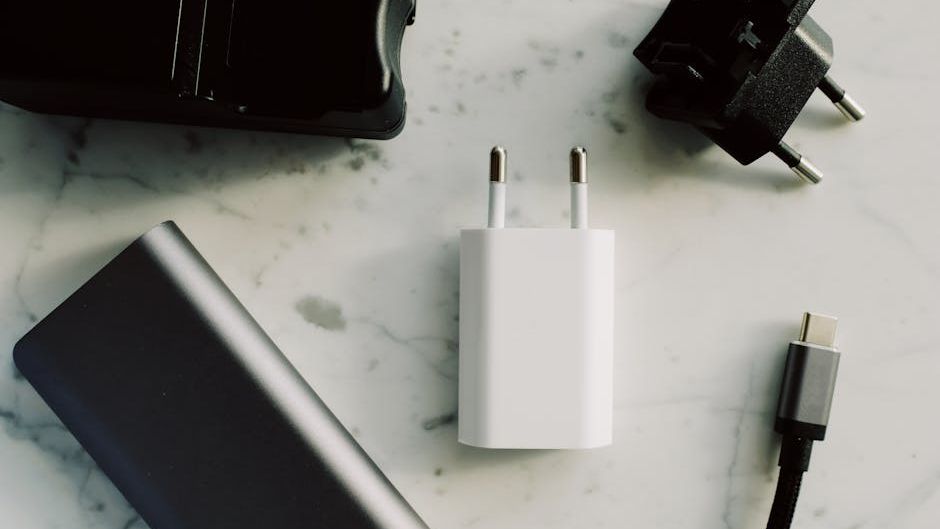
Key Restrictions Under the Updated Rules (Image Credits: Pexels)
Frequent travelers who rely on multiple power banks to keep devices charged during long flights now face a significant adjustment. American Airlines announced restrictions that take effect May 1, capping passengers at two portable chargers each, with each limited to 100 watt-hours or less.[1][2] The policy requires these devices to remain visible and within easy reach, preventing storage in overhead bins or charging via in-flight outlets. Crew members emphasized that the changes prioritize rapid response to any battery issues aloft.
Key Restrictions Under the Updated Rules
Passengers previously could carry up to four spare chargers under 100 watt-hours or two rated between 100 and 160 watt-hours.[3] The airline streamlined this to simplify compliance and enhance oversight. Devices must stay in plain view, either on the seat or lap, throughout the journey.
No recharging of power banks occurs onboard, even with seat power available. This measure addresses the potential for lithium-ion batteries to overheat or ignite under stress. Federal rules already prohibit such batteries in checked luggage across all carriers.[4]
- Maximum of two portable chargers per person.
- Each charger rated at 100 watt-hours or less.
- Visible and accessible at all times – no overhead storage.
- No in-flight charging of the chargers themselves.
Rising Concerns Over Lithium Battery Fires
Lithium-ion batteries power everything from smartphones to laptops, but they pose unique risks in the confined space of an aircraft. The Federal Aviation Administration reported 32 incidents involving smoke, fire, or extreme heat from these batteries in aviation so far this year, with 22 verified upon investigation.[3] Quick access to problematic devices allows crews to intervene before situations escalate.
American Airlines acknowledged customer dependence on these gadgets in a statement: “We know our customers rely on portable chargers to keep devices powered throughout their journey. These updates allow crew members to respond quickly should an issue arise with the portable charger, align with industry standards and underscore American’s commitment to safety – our top priority.”[5] Regulators have long warned that damaged or faulty batteries can spark without warning.
Following Industry Trends
The carrier joins Southwest Airlines and others in adopting these precautions, reflecting broader global standards from bodies like the International Civil Aviation Organization. Southwest implemented similar visibility requirements earlier, prompting American to harmonize its approach.[2] International flights already enforce tight limits on battery capacities.
While the changes tighten rules, they stop short of outright bans. Larger power banks exceeding 160 watt-hours remain prohibited entirely. Travelers on codeshare or partner flights should verify aligned policies to avoid surprises at the gate.
Practical Tips for Compliant Travel
Before heading to the airport, check your power banks’ watt-hour ratings, typically printed on the device or packaging. Most standard models fall under 100 watt-hours, but high-capacity ones for laptops may exceed limits. Consolidate into one or two if needed, and plan device usage accordingly.
Gate agents may inspect carry-ons more closely starting next month. Frequent flyers, especially those on multi-leg trips, might consider airline-provided USB ports or external charging stations at hubs like Dallas-Fort Worth. The policy underscores a trade-off: convenience versus the imperative of cabin safety.
As battery technology evolves, airlines continue balancing passenger needs with emerging hazards. For the everyday traveler, these rules mean rethinking carry-on habits, but they promise fewer disruptions from potential fires mid-flight. Safety measures like these keep millions boarding confidently each day.