

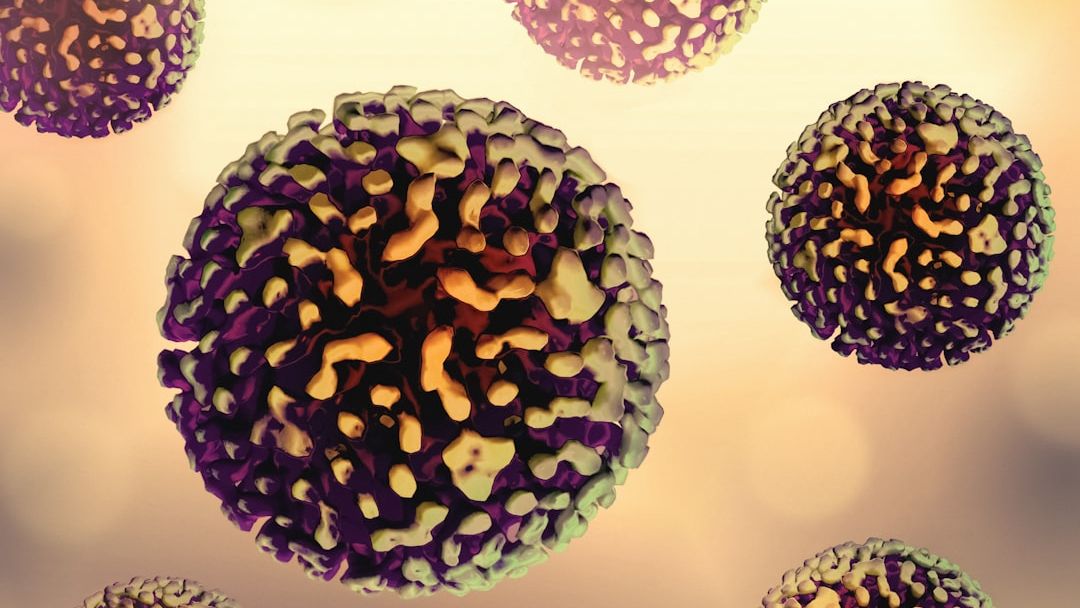
How Andes Strain of Hantavirus Compares: Symptoms, Death Rates – Image for illustrative purposes only (Image credits: Unsplash)
A cluster of suspected hantavirus infections aboard a cruise ship in the South Atlantic has renewed focus on the Andes strain, a variant linked to severe respiratory illness in South America. Three passengers succumbed to the disease, prompting evacuations and close monitoring by health authorities. “At this stage, the overall public health risk remains low,” WHO Director-General Tedros Adhanom Ghebreyesus said Wednesday.[1][2]
The Unique Profile of Andes Virus
Andes virus emerged as a major cause of hantavirus pulmonary syndrome in the mid-1990s, primarily in Argentina and Chile. Carried by the long-tailed pygmy rice rat, it spreads through inhalation of aerosols from the rodent’s urine, droppings, or saliva. Unlike most hantaviruses, evidence points to limited person-to-person transmission, often during close contact in the early stages of illness.[3][4]
This transmission mode sets it apart. Past clusters in Patagonia showed secondary cases among family members and healthcare workers exposed to coughing patients. A systematic review questioned some reports due to methodological issues, yet documented chains of infection persist in the record. The virus targets endothelial cells in lungs and kidneys, leading to vascular leakage and organ stress.[3]
Progression of Symptoms in Infected Patients
Infection typically incubates for one to eight weeks before symptoms appear. The prodromal phase brings fever, intense muscle aches, headaches, chills, dizziness, nausea, and abdominal pain, mimicking a severe flu. Patients often feel profoundly fatigued during this time, which lasts a few days.[3][4]
The illness then shifts to a cardiopulmonary phase marked by rapid deterioration. Fluid accumulates in the lungs, causing shortness of breath, low blood oxygen, rapid heartbeat, and hypotension. Shock and respiratory failure follow, requiring intensive care. Recovery, if achieved, involves diuresis as kidney function rebounds, though some face lingering breathing issues. No specific antiviral exists; treatment focuses on oxygen, fluids, and mechanical ventilation.[4]
Comparing Andes to North American Strains
The Andes strain shares much with Sin Nombre virus, the leading cause of hantavirus cases in the United States, but differences in severity and spread matter. Both trigger hantavirus pulmonary syndrome through similar rodent exposure, yet Andes carries a higher case fatality rate. U.S. surveillance logged nearly 900 cases since 1993, mostly from Sin Nombre in the deer mouse.[5]
Sin Nombre infections follow the same symptom arc but lack confirmed human-to-human spread. Fatality hovers lower for Sin Nombre, reflecting outbreak variations. The table below highlights core contrasts:
| Strain | Case Fatality Rate | Transmission | Primary Reservoir | Main Region |
|---|---|---|---|---|
| Andes | About 40% | Rodent-to-human; limited person-to-person | Long-tailed pygmy rice rat | South America |
| Sin Nombre | 30-35% | Rodent-to-human only | Deer mouse | North America |
These distinctions underscore why the Andes variant raises particular vigilance in clustered settings like ships or households. Annual cases in Argentina and Chile number 100 to 200, sustaining research into vaccines and therapies.[3]
Unfolding Events on the MV Hondius
The Dutch-flagged MV Hondius left Ushuaia, Argentina, on April 1, 2026, bound for Antarctic waters and South Atlantic islands including South Georgia and Tristan da Cunha. By late April, illnesses surfaced among passengers and crew. As of May 4, authorities identified seven cases: two lab-confirmed hantavirus infections via South African testing, five suspected, with three fatalities and one patient in critical condition.[2][1]
The ship moored off Cabo Verde, where three mildly symptomatic individuals were airlifted to the Netherlands. South African health officials pinpointed the Andes strain in two cases, fueling speculation of onboard spread given the itinerary’s rodent-prone ports. Operators initiated symptom tracking for all 147 aboard and recent disembarkees, coordinating with WHO and nations along the route.[2]
Investigators probe links to rodents in visited areas, though person-to-person chains cannot be ruled out. Prior Andes outbreaks, like one in Argentina from 2018-2019, yielded 34 cases and 11 deaths, reinforcing the strain’s potential in close quarters.[6]
Health Measures and Forward Outlook
WHO classified the global risk as low, given hantavirus rarity and variable fatality up to 50% in Americas outbreaks. Prevention emphasizes rodent control: seal homes, avoid dusty cleanups, and use traps in high-risk zones. Travelers to endemic areas should ventilate spaces and wear masks during cleaning.[2]
For the ship, protocols include hand hygiene, masks for symptomatic individuals, and isolation. Early detection proved vital in past responses, boosting survival through prompt ICU transfer. As monitoring continues, this episode spotlights the need for vigilance against rodent-borne threats in an interconnected world.
Key Takeaways:
- Andes virus claims about 40% of cases, higher than Sin Nombre’s 30-35%.
- Person-to-person spread sets Andes apart, though rare.
- Cruise cluster shows swift global coordination can contain risks.
- No vaccine yet; avoidance remains the best defense.