

Reentry Ignites Plasma Inferno Around Orion (Image Credits: Upload.wikimedia.org)
San Diego Coast – Four astronauts aboard NASA’s Orion capsule Integrity approached the climax of their trailblazing journey Thursday evening, having looped around the Moon and ventured farther from Earth than any humans before. The crew prepared for a blistering plunge through Earth’s atmosphere at nearly 24,000 mph, where temperatures would soar to 5,000 degrees Fahrenheit.[1][2] Splashdown loomed in the Pacific Ocean off this California coastline around 8:07 p.m. EDT Friday, marking the mission’s most treacherous phase after a successful launch on April 1 and lunar flyby on April 6.[1][3]
Reentry Ignites Plasma Inferno Around Orion
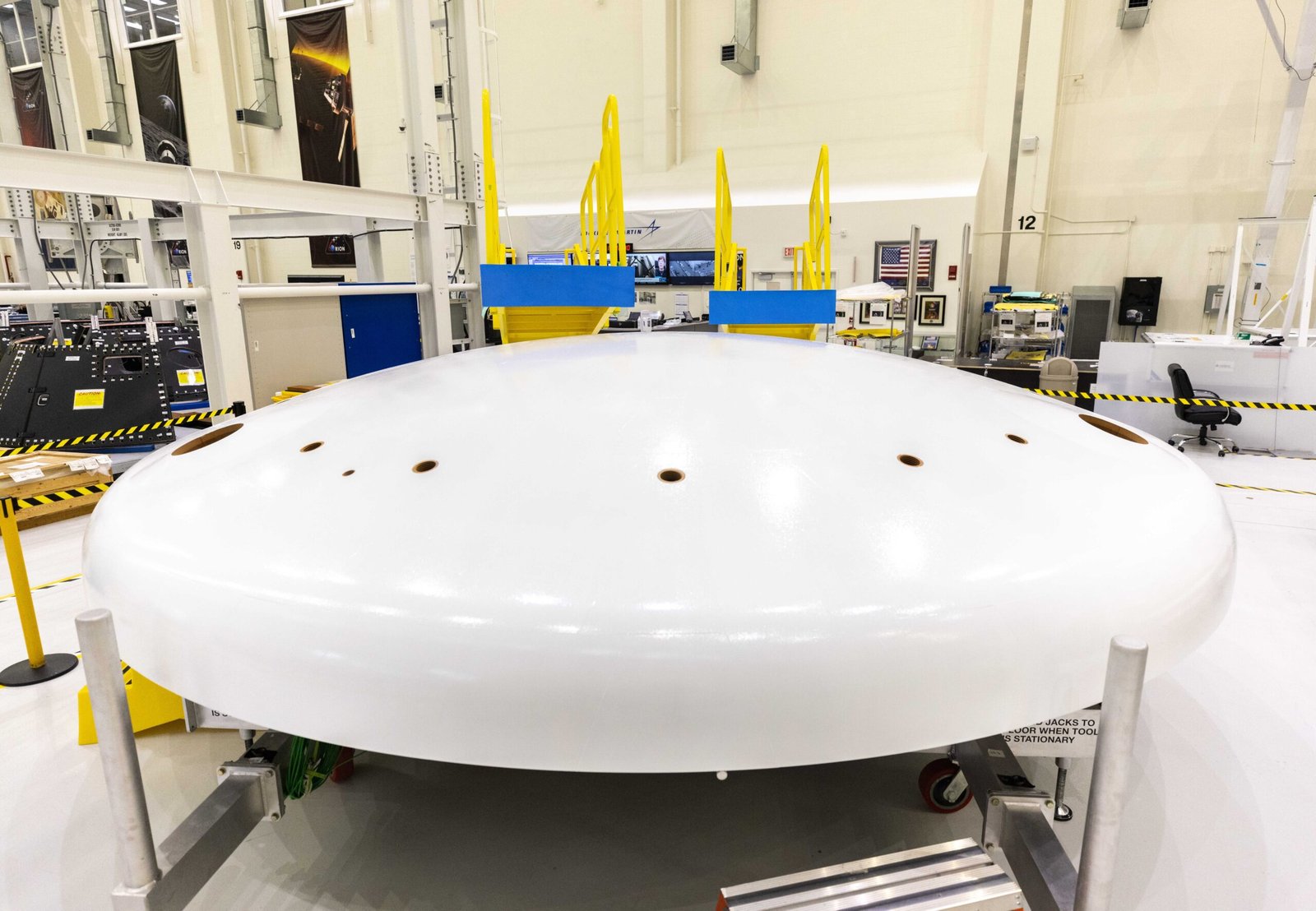
Superheated plasma would envelop the capsule during peak heating at roughly 200,000 feet altitude, severing communications for about six minutes.[1] The heat shield, coated in Avcoat – a material proven on Apollo missions and the uncrewed Artemis 1 flight in 2022 – bore the brunt of this onslaught. It chars and ablates to dissipate the intense energy generated by atmospheric friction. Reaction control thrusters positioned the capsule base-first just before entry interface at 400,000 feet, where Orion hurtled 30 times the speed of sound.[1]
Internal temperatures promised to stay comfortable for the crew, even if the exterior faced extreme duress. Yet this phase carried elevated risks compared to launch or lunar transit. NASA set the crew loss probability between 1 in 50 and 1 in 2, surpassing Apollo-era odds of 1 in 10 while aligning with modern standards of 1 in 30 to 1 in 40 for lunar efforts.[1]
Artemis 1 Cracks Prompted Urgent Scrutiny
More than 100 cracks marred the heat shield during Artemis 1’s 2022 return, with trapped gases causing large Avcoat chunks to eject.[1][4] Laboratory tests replicated the issue, but NASA opted against full replacement due to prohibitive costs and timelines. Officials deemed the flaws non-catastrophic for crewed flight, as heat transfer to the interior remained minimal. A redesigned, more permeable shield awaited future missions like Artemis 2I.
Engineers shifted to a “lofted” reentry trajectory – steeper than Artemis 1’s “skip” profile – to shorten peak heating exposure.[1] Lori Glaze, NASA’s deputy associate administrator for Exploration Systems Development, affirmed confidence: “all agreed that we’ve got a good heat shield.” Still, precision at entry interface proved paramount, as John Honeycutt, SLS program manager, emphasized: “The main thing that I want to do is I want to hit that…entry interface right down the middle and make sure that I bring the crew home safely.”[1]
Countdown to Splashdown: A Precise Sequence
Live coverage began at 6:30 p.m. EDT Friday across NASA+, Netflix, Amazon Prime Video, and other platforms.[1] About 40 minutes prior to splashdown, Orion’s crew and service modules separated; entry interface followed 20 minutes later. Parachutes deployed post-reentry to decelerate the capsule to 17 mph. Airbags could right it if inverted upon water impact.
- Entry interface at 400,000 feet: Plasma blackout begins.
- Peak heating at 200,000 feet: Shield endures max temperatures.
- Parachute deployment: Slows descent.
- Splashdown: Recovery assets converge.
- Helicopter extraction: Crew to USS John P. Murtha.
Liliana Villarreal, Artemis 2 landing and recovery director, outlined contingency plans: “We’re probably going to have about 50 of them where, if this happens, this is what we’ll do.” Teams conducted 12 Underway Recovery Tests, positioning MH-60 Seahawk helicopters, small boats, and Navy divers two miles offshore two hours early. A “sniff test” checked air quality before crew egress onto an inflatable platform; a winch then secured Orion aboard the vessel.[1]
Expert Warnings Linger Amid Optimism
Concerns persisted from specialists familiar with the shield’s quirks. Ed Pope argued the lofted entry “doesn’t mitigate the flaws in the design and manufacture of the original heat shield itself.” Former astronaut Charlie Camarda labeled it “deviant” in an open letter and on X, advocating an uncrewed test. Danny Olivas echoed that cracking seemed likely but trusted NASA’s safety assurances.[1]
Dan Rasky voiced similar unease. NASA maintained the modifications sufficed, with post-splashdown ammonia cooling and medical checks on the ship preceding a flight to Johnson Space Center for debriefing. The capsule tolerated two of three parachutes if needed, bolstering redundancy.[1]
Key Takeaways:
- Avcoat shield from Artemis 1, modified reentry profile for Artemis 2.
- Peak heat: 5,000°F; plasma blackout: 6 minutes.
- Splashdown recovery involves helicopters, divers, and 50+ contingencies.
The safe return of Artemis 2 would validate Orion’s design for deeper lunar ambitions, paving the way for landings and Mars horizons. As the capsule hurtled homeward, the world watched whether this heat shield would etch another success into NASA’s legacy. What do you think about the risks involved? Tell us in the comments.