

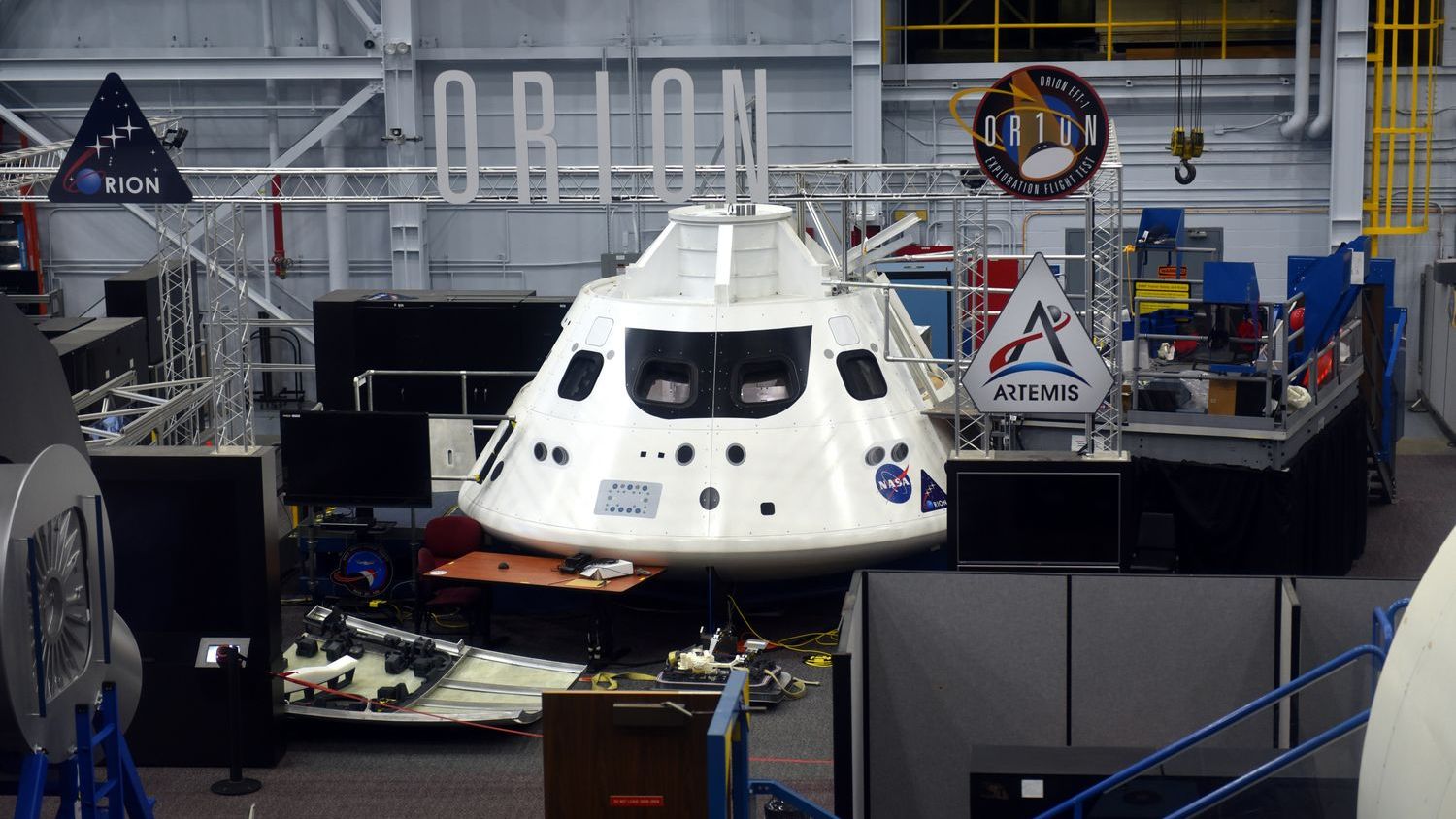
Artemis III: The Mission That Has to Work Before Humans Can Return to the Moon. – Image for illustrative purposes only (Image credits: Unsplash)
NASA completed a major milestone on April 1, 2026, when four astronauts aboard the Orion spacecraft completed a flyby of the Moon’s far side. The flight marked the first time humans had traveled beyond low Earth orbit on the agency’s most powerful rocket to date. With that success now behind them, the agency has turned its attention to Artemis III, a mission that will not attempt a landing but will instead validate the systems required for one.
Building on the Momentum of Artemis II
The recent Artemis II flight demonstrated that the Orion spacecraft could carry a crew safely around the Moon and return them to Earth. Astronauts experienced the full profile of a lunar trajectory, including the communications blackout that occurs on the far side. Those results gave engineers fresh data on vehicle performance under real flight conditions.
That data now feeds directly into preparations for Artemis III. Teams are reviewing telemetry from the April mission to refine procedures and hardware checks. The goal remains consistent: confirm that every element of the crewed lunar architecture functions as intended before any attempt to touch down on the surface.
The Specific Objectives of Artemis III
Artemis III will focus on integrated testing of the Orion spacecraft with the Space Launch System rocket in a crewed configuration. The mission will rehearse the full sequence of events that future landing crews will follow, short of the actual descent and surface operations. This includes rendezvous techniques, life-support checks, and navigation updates that rely on lunar gravity assists.
Engineers will also evaluate thermal protection systems during the high-speed reentry that follows a lunar return trajectory. Any adjustments identified during Artemis III can be incorporated before the first landing attempt. The mission therefore serves as the final full-scale rehearsal for the hardware that will carry humans back to the lunar surface.
Why the Stakes Remain Exceptionally High
History shows that uncrewed test flights alone have not always caught every risk that appears once humans are aboard. Artemis III places real astronauts in the loop to expose issues that simulations and ground tests might miss. A successful outcome will reduce the chance of encountering surprises during the first landing mission.
Conversely, any shortfall identified now can be addressed on the ground rather than during a landing attempt. The program has already invested years and significant resources in developing the necessary vehicles. Artemis III represents the last major checkpoint before those investments translate into boots on the Moon.
Setting the Stage for the First Landing
Once Artemis III concludes, NASA plans to shift focus to Artemis IV and subsequent missions that will include a lunar landing. The experience gained from the current test flight will shape crew training, ground support procedures, and vehicle modifications. Each step builds on the last, creating a cumulative record of reliability.
Public interest in the program has remained strong since the April flight. That attention underscores the broader significance of returning humans to the Moon after more than five decades. Artemis III keeps that long-term objective on track by confirming the systems that will make the landing possible.
Looking Forward With Measured Confidence
The sequence of Artemis missions reflects a deliberate approach that prioritizes safety and verification at every stage. Artemis III will not generate headlines for a landing, yet its success will determine whether the next mission can proceed with the necessary assurance. NASA continues to treat each flight as an essential building block rather than a final destination.
As preparations advance, the agency remains focused on the technical milestones that must be cleared. The path back to the Moon is now clearer than it has been in generations, provided Artemis III delivers the confirmation engineers expect.