

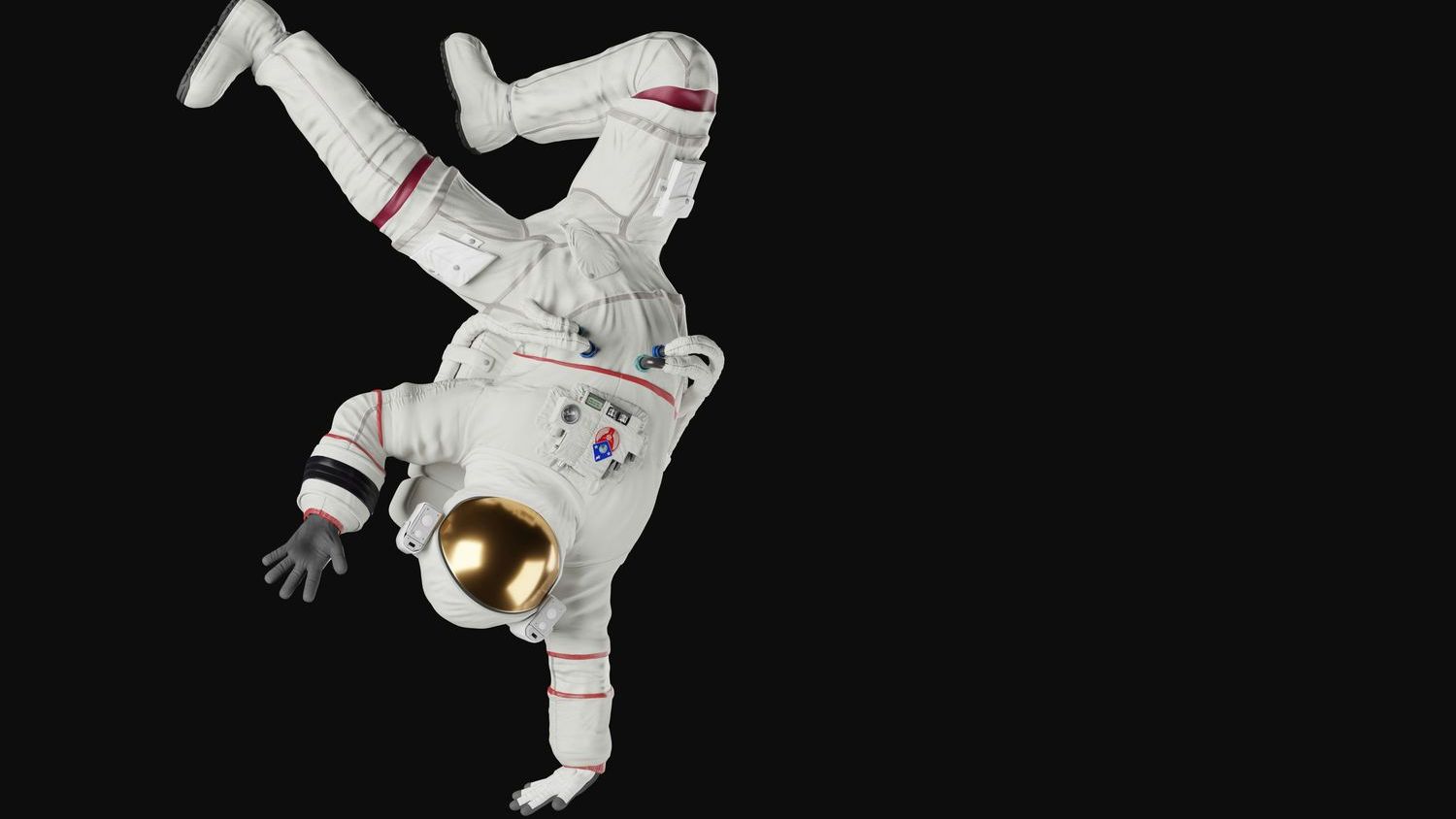
Astronauts on the ISS lose about 1-2% of their bone density per month in microgravity – meaning a six-month mission costs them as much bone mass as a postmenopausal woman loses in a year – and the countermeasures NASA developed to slow that loss are now being studied as treatments for osteoporosis patients on the ground – Image for illustrative purposes only (Image credits: Unsplash)
Plans for longer human missions beyond low Earth orbit have sharpened focus on how the body handles extended periods without normal gravity. Data from the International Space Station show that weight-bearing bones lose density at a pace far faster than typical aging or disease processes on the ground. This rapid change has prompted researchers to examine whether tools first refined for space travelers could address bone weakening in everyday patients. The connection between microgravity effects and terrestrial conditions like osteoporosis now drives targeted clinical studies.
The Pace of Change in Weightless Conditions
Without the constant pull of gravity, the skeleton no longer receives the mechanical signals that normally prompt it to maintain strength. Bones respond by reducing mineral content in areas that usually support body weight, such as the lower spine, pelvis, and leg bones. Studies of astronauts document losses of 1 to 2 percent of bone mineral density each month in these regions. Upper-body bones, which bear less load on Earth, show slower declines.
The monthly rate stands in sharp contrast to natural processes. A postmenopausal woman typically loses bone at 1 to 2 percent per year. A six-month stay on the station therefore produces roughly the same total reduction that occurs over twelve months of menopause-related change. This comparison highlights why even routine spaceflights raise medical concerns that require active management.
Tools Developed to Limit the Decline
NASA addressed the problem through structured daily activity and, in some cases, medication. The Advanced Resistive Exercise Device, installed on the station in 2008, uses vacuum cylinders to create resistance for squats, deadlifts, and presses. Crew members combine roughly two hours of this work each day with treadmill and cycling sessions to preserve overall fitness.
Some astronauts also receive the bisphosphonate drug alendronate, started weeks before launch and continued during flight. When paired with the resistance exercises, the combination has reduced expected losses more effectively than exercise alone. These protocols have kept bone decline within a range considered manageable for missions lasting up to six months, though longer exposures still exceed current protective capacity.
Recovery Patterns After Return to Earth
Follow-up measurements taken twelve months after long-duration flights reveal that bone strength and internal structure do not fully rebound. Total mineral density, cortical and trabecular density, and bone volume fraction remain 0.9 to 2.1 percent below pre-flight levels. Crews on missions longer than six months show even less complete restoration.
The lingering shortfalls equate, by some estimates, to roughly ten years of ordinary age-related loss. This pattern suggests that certain microgravity effects on bone architecture may persist even after normal loading resumes, underscoring limits in current recovery strategies.
Transferring Space Findings to Clinical Care
The underlying mechanism – reduced mechanical loading that signals the body to conserve resources – mirrors disuse osteoporosis seen in bedridden patients. Researchers have therefore begun adapting station exercise regimens and combined drug protocols for ground-based trials. Low-magnitude, high-frequency vibration techniques explored in orbit are also under examination for older adults at risk of fractures.
Direct transfer remains imperfect because space-related loss occurs rapidly in otherwise healthy younger adults, while typical osteoporosis develops more slowly amid age-related changes. Still, the core insight that consistent loading maintains density has informed new approaches to hospitalization-related bone loss and certain forms of age-related decline. Ongoing studies continue to refine these adaptations for broader use.
What matters now is how precisely these space-derived methods can be calibrated for different patient groups, particularly as clinical trials test their safety and effectiveness outside the controlled environment of orbit.
The work illustrates one understated return from sustained human presence in space: practical knowledge that may ease a common health challenge faced by millions who will never leave the ground. Continued refinement of these countermeasures could narrow the gap between what current protocols achieve and what longer missions or wider medical applications will eventually require.