

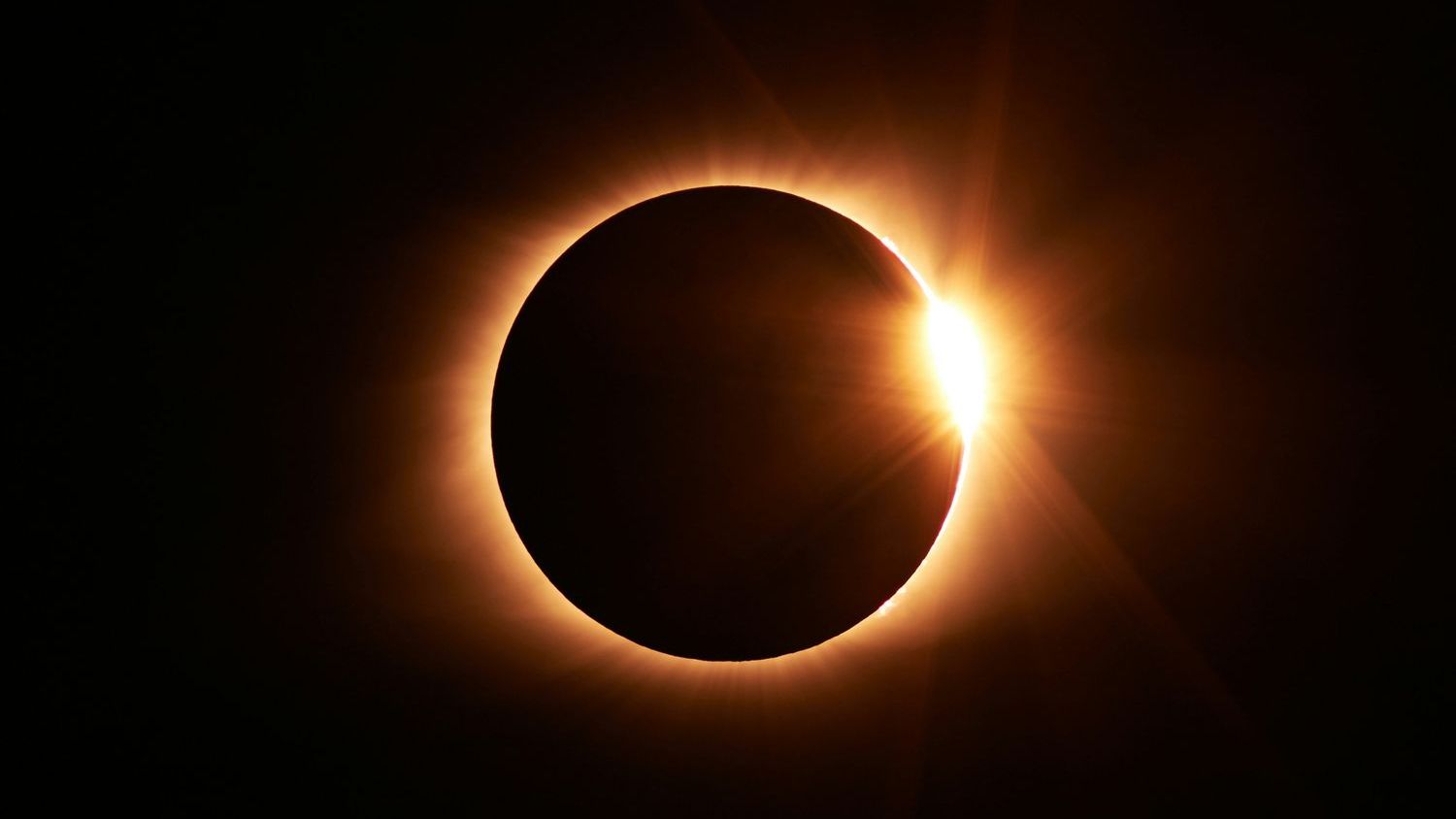
A moment that changed me: I saw my first total solar eclipse – and its beauty shook me to my core – Image for illustrative purposes only (Image credits: Unsplash)
Nashville – On a humid afternoon in August 2017, an Italian-born astronomer pulled her car into a printing company lot with seconds to spare. She and her husband had driven hard from Shelby Park, chasing the last patch of clear sky as the moon began to cover the sun. At 1:27 p.m., they stepped out, slipped on protective glasses, and watched a thin crescent of sunlight vanish behind clouds. The moment marked her first total solar eclipse after years of studying the universe.
The Drive That Almost Ended Too Soon
The astronomer had planned the trip from London to Tennessee with scientific precision. She knew the path of totality would cross the United States that day, and Nashville offered a strong chance of clear skies. Yet traffic and shifting clouds forced last-minute decisions. Her husband spotted sunlight just as they reached Davidson Street, prompting an abrupt stop in the nearest parking area.
They had no time to set up equipment or find a better vantage point. The partial phase was already well advanced. With dark glasses in place, they focused on the shrinking solar disk. The ordinary daylight around them began to dim in a way no partial eclipse had ever produced.
Years of Other Celestial Events
Her career in astrophysics had already included galaxy collisions, comets, planetary alignments, fireballs, and northern lights. Each sighting had added data or quiet satisfaction. None, however, had prepared her for the sudden silence and temperature drop that accompany full totality. The 2017 eclipse stood apart because it removed the sun entirely for several minutes, turning day into an eerie twilight.
She had long felt the absence of this one phenomenon in her record. Colleagues who had witnessed totality often described it as transformative, yet she had remained skeptical until the moment arrived. The gap in her experience became clear only when the sky itself changed.
The Unexpected Emotional Shift
As the last sliver of sunlight disappeared, the world around her grew still. Birds stopped singing. The temperature fell several degrees. A faint corona appeared around the black disk of the moon, visible even through thin clouds. The astronomer later recalled feeling physically shaken by the scale and suddenness of the change.
She had studied solar eclipses in textbooks and simulations for decades. None of that preparation matched the direct sensory impact. The event lasted only a few minutes, yet it altered her sense of what professional familiarity could and could not achieve. Colleagues who later heard the account recognized the same reaction in their own first totality experiences.
Key elements of the 2017 event
- Path of totality crossed Nashville on 21 August
- Maximum duration of darkness reached about two minutes
- Observer had previously seen comets, alignments, and auroras
- Emotional response exceeded prior scientific expectations
Lessons for Professional Observers
The experience reinforced that direct observation can still surprise even trained specialists. Data and models remain essential, yet they do not fully convey the visceral scale of certain natural events. Many astronomers now recommend that students and early-career researchers prioritize totality whenever geography allows.
Subsequent eclipses have drawn larger crowds of professionals who once viewed the phenomenon as routine. The 2017 Nashville sighting continues to serve as a reference point for discussions about the limits of preparation. It showed that some celestial moments retain the power to reset expectations, regardless of prior expertise.