

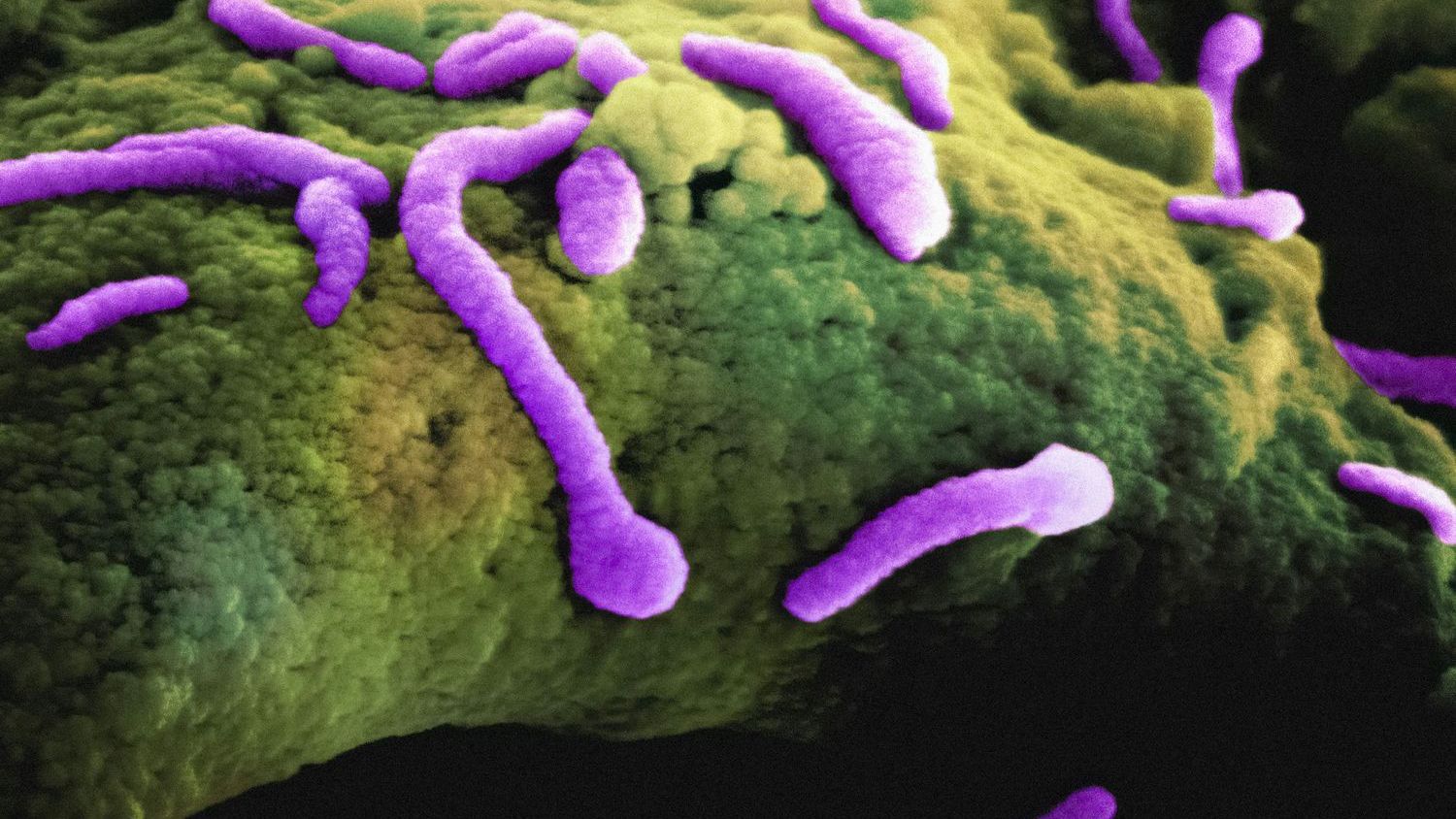
Scientists discover a new way to prevent gum disease without killing good bacteria – Image for illustrative purposes only (Image credits: Unsplash)
The human mouth hosts a dense community of bacteria that form dental plaque and influence oral health in ways that extend far beyond simple presence or absence. Researchers have now shown that these microbes coordinate their behavior through chemical signals, and interrupting those signals can shift the balance toward healthier communities without eliminating any species outright. The approach also revealed that the same signals operate differently depending on oxygen levels above and below the gum line, adding a new dimension to how plaque develops.
How Bacteria Coordinate Inside Plaque
Bacteria in dental plaque do not act independently. They exchange chemical messages that allow groups to grow and organize in coordinated ways. When researchers blocked these messages, the overall makeup of the plaque changed, with disease-associated microbes becoming less dominant and more beneficial species gaining ground.
This finding matters because traditional approaches to gum disease often focus on reducing total bacterial numbers. The new work demonstrates that preserving the full population while altering its internal coordination can produce a more favorable outcome. The chemical signals appear to serve as a kind of internal control system that determines which bacteria thrive in the plaque environment.
Oxygen Levels Shape the Conversation
The study uncovered an additional layer of complexity tied to oxygen availability. Above the gums, where oxygen is more plentiful, the bacterial signals followed one pattern. Below the gums, in lower-oxygen zones, the same bacteria used different signaling strategies to coordinate growth.
These location-specific differences help explain why plaque behaves differently in various parts of the mouth and why gum disease often begins in specific sites. By mapping how signals vary with oxygen, the researchers gained insight into why certain microbial shifts occur only in particular microenvironments. The observation suggests that future interventions might need to account for these spatial differences rather than treating the entire mouth as a uniform space.
Implications for Oral Health Strategies
The results point toward treatments that target communication rather than the bacteria themselves. Such methods could reduce the microbes linked to inflammation and tissue damage while leaving protective species intact. Because the approach does not rely on broad killing of bacteria, it may lower the risk of disrupting the mouth’s natural balance over time.
Current gum disease management often involves mechanical cleaning or antimicrobial agents that affect many species at once. The communication-blocking strategy offers a more selective alternative that works with the existing microbial community. Early laboratory observations indicate that the changes in bacterial composition occur without the need for repeated high-dose interventions.
Next Steps and Remaining Questions
While the laboratory findings are clear, translating them into practical therapies will require additional work. Researchers must determine which specific signals to target, how to deliver blocking agents safely inside the mouth, and whether the effects hold up under real-world conditions such as diet and daily hygiene routines.
Longer-term studies will also need to track whether sustained changes in bacterial communication lead to measurable reductions in gum inflammation and tissue loss. The oxygen-dependent nature of the signals adds another variable that clinical trials will have to address. Even so, the work establishes a fresh framework for understanding and managing plaque that moves beyond simple reduction of bacterial load.